
Human Division Books in Order
Part ofJohn Scalzi Books in OrderSee The Human Division episodes by John Scalzi in order, with short summaries, how they connect to Old Man's War, and guidance on when to read them.
Last updated:
As an Amazon Associate, we earn from qualifying purchases (at no extra cost to you).
Human Division books in publication order
13 books
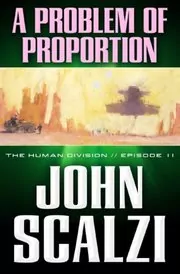
A Problem of Proportion
by John Scalzi
2013
In this Human Division story, a small imbalance threatens to become an international incident. The Diplomatic Corps learns that in a fragile political climate, even minor disputes can turn deadly, and solving the problem means understanding what everyone thinks they deserve.

A Voice in the Wilderness
by John Scalzi
2013
Another Human Division episode set on the edges of human space, where the Colonial Union's plans never quite survive contact with reality. Wilson and his teammates are sent into uncertainty, trying to keep people alive while politics and fear take over.
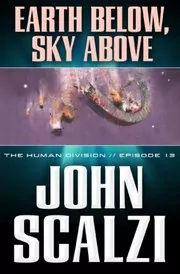
Earth Below, Sky Above
by John Scalzi
2013
The Human Division arc continues with a mission that brings the characters face to face with the cost of colonization. As they try to secure an outcome everyone can live with, they discover that the ground truth on a planet rarely matches the story told from orbit.
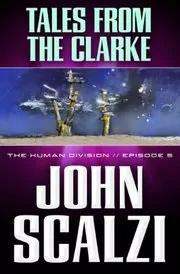
Tales From the Clarke
by John Scalzi
2013
In this Human Division installment, a seemingly routine stop at a station called the Clarke turns into a problem the Diplomatic Corps cannot ignore. It is a compact mission story about how small disputes can expose bigger fractures in the Colonial Union.
The B-Team
by John Scalzi
2013
Lieutenant Harry Wilson is reassigned to the Colonial Union's Diplomatic Corps and meets the team that will become his new unit. This Human Division installment sets the tone: messy politics, awkward missions, and the realization that diplomacy can be just as dangerous as combat.
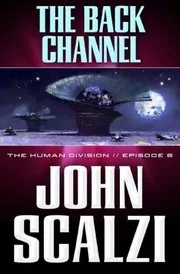
The Back Channel
by John Scalzi
2013
The Conclave has its own interests, and this Human Division episode shows how back-channel contact can change a negotiation. As different powers jockey for leverage, the characters learn that the real battle is often over information, not weapons.
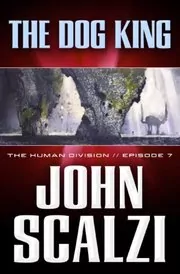
The Dog King
by John Scalzi
2013
A Human Division mission that drops the team into a new cultural and political tangle, where the Colonial Union is not in charge, even if it wishes it were. The tension comes from mistrust, bad assumptions, and the risk of one wrong move.
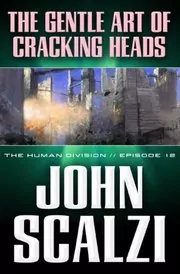
The Gentle Art of Cracking Heads
by John Scalzi
2013
A Human Division installment that highlights the unglamorous side of keeping peace: intimidation, leverage, and making sure the wrong people do not feel too comfortable. Wilson's team walks the line between force and diplomacy, hoping it holds long enough to matter.

The Observers
by John Scalzi
2013
A Human Division installment that deals with watching, being watched, and what that does to decision-making. Wilson and his allies try to do their jobs while unseen forces gather evidence, shift narratives, and decide who gets blamed when things go wrong.
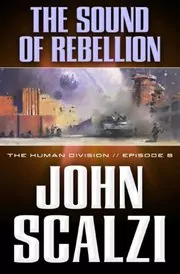
The Sound of Rebellion
by John Scalzi
2013
In this Human Division episode, pressure from below turns into open resistance, and the Diplomatic Corps has to respond. It is a short, tense story about how rebellions start, and how hard it is to stop them once people decide they have nothing left to lose.
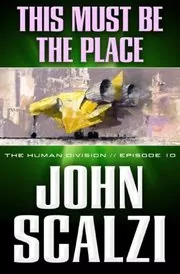
This Must Be the Place
by John Scalzi
2013
A Human Division episode about arrivals and reckonings, when a place that should feel safe turns out not to be. The team has to negotiate trust in the middle of uncertainty, knowing that home is sometimes just another contested piece of territory.

Walk the Plank
by John Scalzi
2013
A Human Division episode that follows the fallout from a hijacked cargo ship and a wildcat colony with secrets. Wilson's team must sort out what happened, who is lying, and how to keep a local crisis from turning into a much larger conflict.
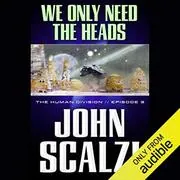
We Only Need the Heads
by John Scalzi
2013
Told in a script-like format, this Human Division installment focuses on fast decisions and competing agendas. The Diplomatic Corps and its security team try to contain a volatile situation, while every faction involved insists their version of events is the only truth.
Human Division books in chronological order
Series background & context
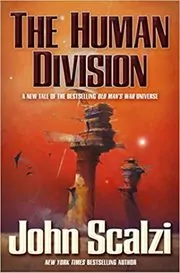
The Human Division sits inside the Old Man's War universe, but it shifts the spotlight away from the front lines. These stories happen after the events of The Last Colony, when the Colonial Union is trying to hold itself together, manage relationships with alien powers, and deal with the awkward reality that Earth has its own agenda.
The hook is simple: war is not the only way to lose an interstellar empire. Sometimes you lose it in meetings, in negotiations, and in the small crises that reveal who can be trusted. The Colonial Union's Diplomatic Corps is tasked with keeping alliances intact and problems contained, and it does that work with a mix of charm, pressure, and quiet threats.
Diplomacy is its own kind of combat.
A key figure is Ambassador Ode Abumwe, a seasoned diplomat who knows how to read a room and when to push. Around her is a support team that includes Lieutenant Harry Wilson and the soldiers nicknamed the B-Team, people who are competent, a little out of their depth, and often sent to handle situations the A-Team can not fix cleanly. Their jobs range from escorting negotiators to walking into places where the laws are vague and the weapons are not.
Originally, these stories were released as episodic installments, and you can feel that structure in the pacing. Each piece has its own problem, but the larger picture keeps tightening, with political fallout accumulating from one mission to the next. The tone is closer to a procedural or a spy story than a straight military campaign, even though the characters are often one bad decision away from violence. Scalzi also uses the format to hop viewpoints when needed, so you see the same crisis from the soldier side and the policy side.
What links the episodes is the slow realization that the Colonial Union's assumptions are breaking. Wildcat colonies, alien coalitions, and internal factions all push at the edges of what the CU can control. The characters are not just fighting external threats, they are trying to stop the whole system from cracking while they are still standing on it.
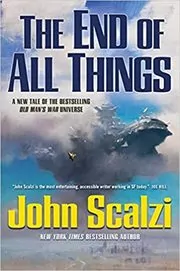
If you loved the action of Old Man's War but also wanted more of the backroom maneuvering that makes those wars possible, The Human Division is where to go. It is character-driven, often funny in a dry way, and built around the idea that the future of human space might hinge on the unglamorous work no one writes medals for. It also sets up the tensions that continue into The End of All Things.





Edited by
Software engineer whose passion for tracking book recommendations from podcasts inspired the creation of MRB.
Lead investor at 3one4 Capital whose startup expertise and love for books helped shape MRB and its growth.
Comments
Did we miss something? Have feedback?
Help us improve this page by sharing your thoughts