
Otto Penzler Books in Order
Explore Otto Penzler books in order, with short summaries of his anthologies and reference works, plus series notes and easy where-to-start tips.
Last updated: 1 new book added
As an Amazon Associate, we earn from qualifying purchases (at no extra cost to you).
Otto Penzler books in publication order
25 books
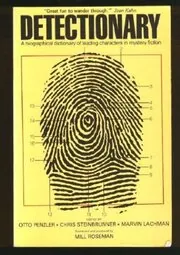
Detectionary
by Otto Penzler
1971
A compact reference guide to the people of mystery fiction, not the authors but the sleuths, sidekicks, and rogues themselves. It treats famous and obscure characters alike, with quick biographical entries drawn from books, stories, and film.
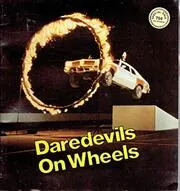
Daredevils on Wheels
by Otto Penzler
1976
A brief, high-energy nonfiction book about riders and racers who push wheeled vehicles to the limit. It is written for younger readers and focuses on speed, danger, stunts, and the appeal of living close to the edge.
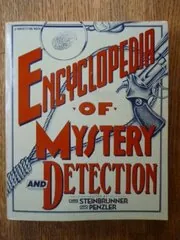
Encyclopedia of Mystery and Detection
by Otto Penzler
1976
This wide-ranging reference book maps the mystery genre through its writers, characters, films, radio, television, and major subgenres. It is part history, part guidebook, and still a useful snapshot of detective fiction's world.

Hang Gliding
by Otto Penzler
1976
One of Penzler's early juvenile nonfiction books, this is a short introduction to hang gliding for younger readers. It explains the sport's appeal while touching on the equipment, skill, and nerve the activity demands.
Hunting the Killer Shark
by Otto Penzler
1976
This early nonfiction title gives younger readers a fast look at sharks and the dangerous pursuit of hunting them. It leans into suspense, but also frames the animal as something to understand, not just fear.
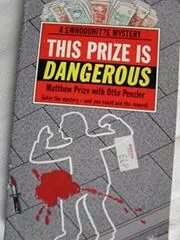
This Prize is Dangerous
by Otto Penzler
1985
This unusual mystery is built as a challenge to the reader. The case unfolds through clues and suspects, then stops short of the final answer, inviting you to solve the crime before the detective spells it out.
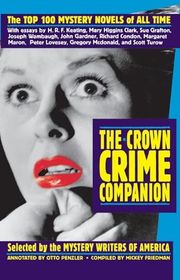
The Crown Crime Companion
by Otto Penzler, Mickey Friedman, Joseph Wambaugh & Mary Higgins Clark
1995
A guide to 100 mystery novels chosen by the Mystery Writers of America, with annotations by Otto Penzler. Ten additional category lists, ranging from classics and suspense to cozies, historical mysteries, and legal crime, are introduced by genre specialists.
The Best American Mystery Stories 1997
by Robert B Parker, Otto Penzler & Elmore Leonard
1997
An anthology of mystery short stories selected for variety and craft, with Robert B. Parker serving as the guest editor. It’s a snapshot of the genre in a single year, from classic whodunits to darker, modern crime tales.
The Best American Mystery Stories 1998
by Sue Grafton, Otto Penzler & Mary Higgins Clark
1998
Guest editor Sue Grafton selects a varied set of American mystery and crime stories for this annual volume. Established writers including Mary Higgins Clark, Walter Mosley, Lawrence Block, and Donald E. Westlake appear alongside newer voices.

101 Greatest Films of Mystery and Suspense
by Otto Penzler
2000
Penzler surveys 101 mystery and suspense movies, ranking them and packing each entry with plot notes, cast details, and behind-the-scenes trivia. It is a handy guide for readers who also love classic crime cinema.
The Best American Mystery Stories
by James Ellroy & Otto Penzler
2002
Ellroy’s volume of The Best American Mystery Stories presents his selection of standout short crime and suspense tales from contemporary writers, offering a wide mix of voices, settings, and tones along with his punchy introduction to the year’s darker fiction.
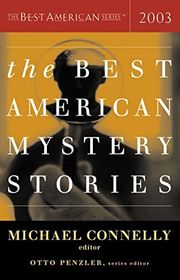
The Best American Mystery Stories 2003
by Michael Connelly, Otto Penzler & Elmore Leonard
2003
Guest editor Michael Connelly and series editor Otto Penzler assemble a yearly selection of mystery short fiction. The volume mixes established crime writers and newer voices, with stories by Elmore Leonard, Walter Mosley, Joyce Carol Oates, and others.
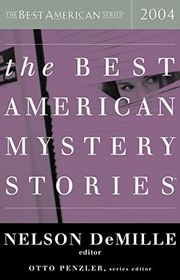
The Best American Mystery Stories 2004
by Nelson DeMille, Otto Penzler & Stephen King
2004
This annual volume gathers twenty American mystery stories selected by guest editor Nelson DeMille from periodical publications. The choices represent varied approaches to crime fiction, ranging from psychological suspense and noir-inflected wrongdoing to unsettling moral dilemmas.
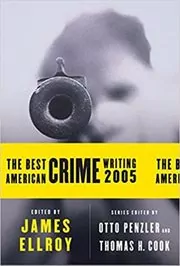
The Best American Crime Writing 2005
by Thomas H Cook, Otto Penzler & James Ellroy
2005
This anthology of long-form true crime, co-edited by Ellroy, gathers magazine pieces on topics like sex trafficking, con artists, barroom violence, and high-end theft, and includes an original essay in which he recalls how reading Joseph Wambaugh helped shape his own fixation on crime.
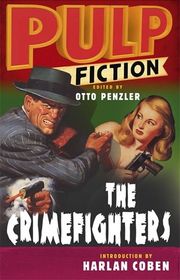
Pulp Fiction: The Crimefighters
by Otto Penzler & Harlan Coben
2006
Edited by Otto Penzler and introduced by Harlan Coben, this anthology collects fourteen crime tales from the pulp era. Stories by such writers as Dashiell Hammett, Raymond Chandler, Erle Stanley Gardner, and Cornell Woolrich spotlight hard-boiled detectives, criminals, and retribution.
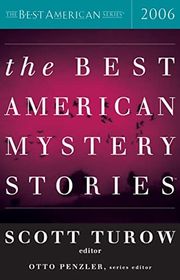
The Best American Mystery Stories 2006
by Scott Turow, Otto Penzler, Karen E Bender, CJ Box, James Lee Burke, Jeffery Deaver, Jane Haddam, William Harrison, Alan Heathcock, Emory Holmes II & Wendy Hornsby
2006
Edited by Scott Turow with series editor Otto Penzler, this annual anthology selects twenty-one mystery, crime, and suspense stories. Its contributors include C. J. Box, whose Yellowstone story "Pirates of Yellowstone" appears alongside work by established crime writers.
The Best American Mystery Stories 2007
by Carl Hiaasen & Otto Penzler
2007
Guest editor Carl Hiaasen selects twenty mystery, crime, and suspense stories from the preceding year for this annual anthology, with Otto Penzler as series editor. The varied lineup includes fiction by writers such as Laura Lippman, Joyce Carol Oates, Lawrence Block, and Ridley Pearson.
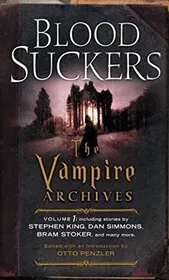
Bloodsuckers
by Otto Penzler
2009
The first Vampire Archives volume gathers classic and modern vampire stories into one brisk, bloody sampler. Penzler mixes famous names with deeper cuts, giving the old undead myth plenty of fresh bite.
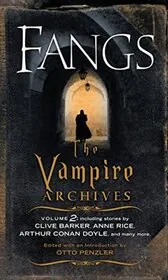
Fangs
by Otto Penzler
2009
This second volume widens the range, pairing familiar vampire motifs with stranger and more modern twists. It is a roomy anthology built for readers who want gothic chills, night creatures, and plenty of variety.
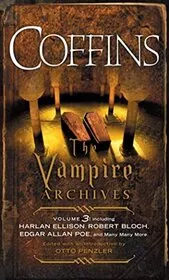
Coffins
by Otto Penzler
2010
The third Vampire Archives collection keeps the focus on atmosphere, danger, and the many forms a vampire tale can take. Expect crypts, hunters, victims, and a strong mix of classic and later horror voices.
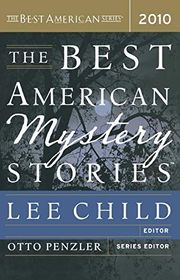
The Best American Mystery Stories 2010
by Lee Child, Otto Penzler & Dennis Lehane
2010
Lee Child and series editor Otto Penzler select twenty crime and mystery short stories from a wide range of settings and styles. Dennis Lehane’s contribution, “Animal Rescue,” sits alongside work by established names and newer voices.
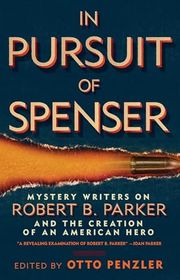
In Pursuit of Spenser
by Otto Penzler & Dennis Lehane
2012
Edited by Otto Penzler, this essay collection gathers mystery writers’ memories and critical reflections on Robert B. Parker, his detective Spenser, and the wider Parker canon. Dennis Lehane contributes alongside writers including Ace Atkins, Lawrence Block, and S.J. Rozan.
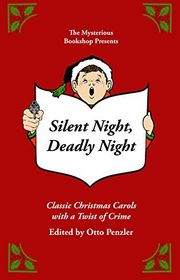
Silent Night, Deadly Night
by Otto Penzler & Joseph Wambaugh
2016
Edited by Otto Penzler, this crime-fiction anthology gives Christmas carols and holiday traditions a criminal twist. Joseph Wambaugh joins a broad lineup of mystery writers whose stories bring murder, wrongdoing, and dark humor to the festive season.
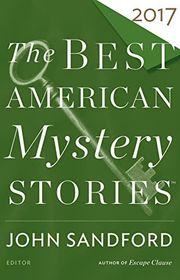
The Best American Mystery Stories 2017
by John Sandford, Otto Penzler & CJ Box
2017
John Sandford selects twenty mystery and crime stories for this annual volume, with Otto Penzler serving as series editor. The anthology ranges across rural danger, professional boxing, pursuit, psychological suspense, and other forms of criminal conflict; C. J. Box contributes "Power Wagon."
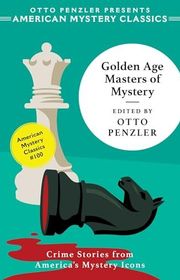
Golden Age Masters of Mystery
by Otto Penzler
2026
Edited by Otto Penzler, this anthology gathers American mystery stories from the genre’s Golden Age. Familiar detectives and standalone characters confront puzzles by writers including Ellery Queen, Mary Roberts Rinehart, Cornell Woolrich, and Charlotte Armstrong.
Where to start with Otto Penzler
If you want his core mystery reference book: Encyclopedia of Mystery and Detection → Detectionary
If you want vampire anthologies first: Bloodsuckers → Fangs → Coffins
If you love mystery movies: 101 Greatest Films of Mystery and Suspense
If you want a puzzle you can solve yourself: This Prize is Dangerous
Otto Penzler sub-series and character series
Otto Penzler collections, short stories, and related book types
Non-Fiction
Standalone Otto Penzler books
The Best American Mystery Stories 2006
by Scott Turow, Otto Penzler, Karen E Bender, CJ Box, James Lee Burke, Jeffery Deaver, Jane Haddam, William Harrison, Alan Heathcock, Emory Holmes II & Wendy Hornsby
2006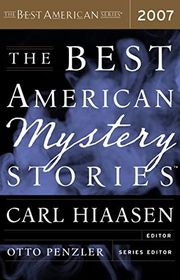
Author bio
Otto Penzler was born in Hamburg, Germany, in 1942. After his father died, he moved with his mother to the Bronx while still a child, and New York became the city most people now associate with him. He is unusual in crime fiction because his reputation comes less from writing novels than from editing, publishing, bookselling, and building institutions around the genre.
Mystery became the work of his life.
He studied English literature at the University of Michigan and wrote for the student paper while he was there. After college he went back to New York and worked first at the Daily News, then in sports publicity, including a stretch with ABC Sports. Around those years he discovered Sherlock Holmes in a serious way, then read outward into writers like Agatha Christie, Raymond Chandler, Dashiell Hammett, and John Dickson Carr.
The first big turning point was Encyclopedia of Mystery and Detection, written with Chris Steinbrunner. The book won an Edgar Award and helped show that detective fiction had a history worth mapping carefully. Soon after, Penzler founded The Mysterious Press in 1975, later opened The Mysterious Bookshop in 1979, and became one of the best-known advocates for mystery, suspense, and crime writing in the United States.
He didn't just write about the genre. He built shelves, catalogs, imprints, and a meeting place for it.
Penzler's own books show how wide his interests run. Detectionary and Encyclopedia of Mystery and Detection are reference works for readers who want to trace detectives, villains, writers, and adaptations across the whole field. Bloodsuckers, Fangs, and Coffins show another side of him, the editor who can gather classic and modern vampire fiction and make it feel like one long conversation across time. 101 Greatest Films of Mystery and Suspense does something similar for movies, mixing rankings, context, cast information, and fan-level trivia.
Another major part of his career has been anthology work. He edited The Best American Mystery Stories for many years, ran The Armchair Detective for seventeen years, and won a second Edgar for The Lineup. Readers often like the same quality in all of this work: he knows the canon, but he also likes opening a side door and pointing to something odd, forgotten, or unfairly overlooked.
That habit has shaped his whole career.
Whether he is assembling vampire tales, reissuing classic crime novels, or writing about old suspense films, Penzler tends to circle the same pleasures, clever plots, memorable investigators, short fiction, noir atmosphere, and the long backstory of popular storytelling. He takes genre history seriously, but he does not write as if it belongs behind glass. His best work makes you want to read something, watch something, or dig one shelf deeper.
Still based in New York City, he remains closely tied to The Mysterious Bookshop and Penzler Publishers, including the American Mystery Classics line. That gives his career a rare feeling of continuity. Decades after he first fell for detective stories, he is still spending his days helping other readers find them.

Edited by
Software engineer whose passion for tracking book recommendations from podcasts inspired the creation of MRB.
Lead investor at 3one4 Capital whose startup expertise and love for books helped shape MRB and its growth.
Comments
Did we miss something? Have feedback?
Help us improve this page by sharing your thoughts