
Olive Books in Order
Part ofCarol Drinkwater Books in OrderFind the Olive books in order by Carol Drinkwater, from the Provence memoirs to the travel volumes, with summaries, series background, and where to start.
Last updated:
As an Amazon Associate, we earn from qualifying purchases (at no extra cost to you).
Olive books in publication order
8 books
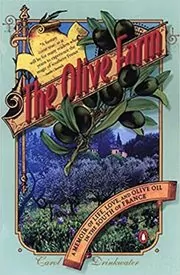
The Olive Farm
by Carol Drinkwater
2001
Carol Drinkwater and Michel Noll fall in love with a run-down olive farm in Provence and decide to make a life there. This memoir mixes romance, money worries, hard labour, and the simple thrill of harvesting their own olives.
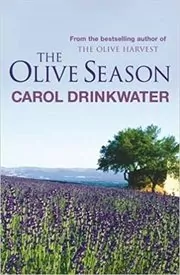
The Olive Season
by Carol Drinkwater
2003
Life at Appassionata grows more demanding as Carol faces pregnancy, farm work, and fresh problems with water and labour. This second memoir keeps the romance of Provence but never loses sight of how hard the dream can be.
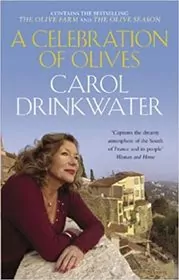
A Celebration of Olives
by Carol Drinkwater
2004
This volume brings together *The Olive Farm* and *The Olive Season*, tracing Carol Drinkwater and Michel Noll's early years restoring Appassionata in Provence. It captures the romance, hard labour, and everyday surprises behind their olive-growing dream.
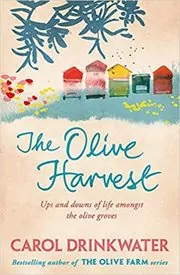
The Olive Harvest
by Carol Drinkwater
2004
Back at the farm after time away, Carol and Michel hope for a quieter season. Instead, a shocking blow leaves Carol facing grief, uncertainty, and the question of how to keep going in a landscape she still loves.
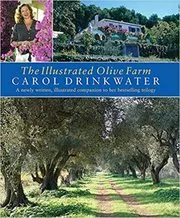
The Illustrated Olive Farm
by Carol Drinkwater
2005
This richly illustrated companion returns to life at Appassionata, from olive pressing and harvest worries to animals, neighbours, and Provençal routines. It is a more visual, reflective look at the world behind the memoir trilogy.
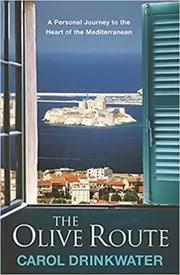
The Olive Route
by Carol Drinkwater
2006
Drinkwater leaves her farm to follow the olive's path around the Mediterranean. Part travel book and part personal quest, it explores the tree's history, the people who cultivate it, and the cultures built around it.
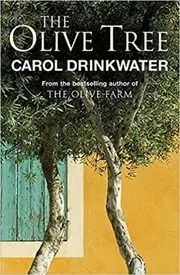
The Olive Tree
by Carol Drinkwater
2008
Troubled by changes on her own farm, Drinkwater travels through Spain, Morocco, Algeria, and Italy in search of the olive tree's deeper story. The result is a mix of travel, history, and concern for the future of traditional farming.
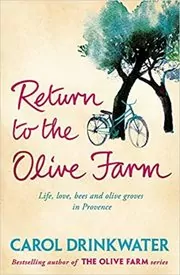
Return to the Olive Farm
by Carol Drinkwater
2010
After months of Mediterranean travel, Carol returns home to Provence expecting a joyful reunion. Instead she finds fresh troubles on the farm, including the alarming decline of the bees that help hold the whole landscape together.
Olive books in chronological order
Series background & context
The Olive books are the work Carol Drinkwater is most closely linked with, and with good reason. They begin with a real-life leap: she and her husband Michel Noll buy an abandoned olive farm in Provence and decide, against plenty of common sense, to restore it. From there the series grows into something bigger than a simple farming memoir. It becomes a story about place, marriage, work, history, and the long pull of the Mediterranean.
In the early books, especially The Olive Farm, The Olive Season, and The Olive Harvest, the heart of the series is Appassionata, the farm itself. Drinkwater writes about terraces of old trees, broken buildings, water problems, harvests, local customs, neighbours, animals, money worries, and the practical business of trying to make the land pay. There is romance in these books, yes, but there is also a lot of hauling, repairing, waiting, and learning. That is what gives them their charm. The dream is always tied to work.
The farm is the plot.
That does not mean the books are narrow. Quite the opposite. Provence matters because it shapes everything, the pace of the days, the people around them, the weather, the food, even the arguments. The tension often comes from ordinary realities: drought, poor harvests, uncertainty, and the question of whether a beautiful idea can survive contact with money and time. Readers who like memoirs grounded in daily life usually find a lot to hold onto here.
As the series goes on, the frame widens. A Celebration of Olives gathers the first two books together, while The Illustrated Olive Farm adds a more visual companion to life at Appassionata. Then The Olive Route and The Olive Tree move beyond the boundaries of the farm and out into the wider Mediterranean. In those books Drinkwater travels through olive-growing regions, tracing the history of the tree and the cultures built around it. They blend memoir, travel writing, history, and curiosity in a way that still feels very personal.
By the time you reach Return to the Olive Farm, the series has also taken on a stronger environmental thread. Bees, pesticides, farming practices, and the future of traditional agriculture all come into view. That makes sense. Once the trees and the land become part of the family story, threats to them stop feeling abstract.
This is a warm, sensory series, but it is not soft-focus escapism. It is full of sunshine, certainly, yet it also has setbacks, grief, fatigue, and questions about how to live well without losing touch with the real cost of that life. Documentary films were later inspired by The Olive Route and The Olive Tree, which gives you a sense of how naturally these books lend themselves to landscape, travel, and history. If you like memoirs that combine beauty with practical detail, this is probably the best place to start with Carol Drinkwater.




Edited by
Software engineer whose passion for tracking book recommendations from podcasts inspired the creation of MRB.
Lead investor at 3one4 Capital whose startup expertise and love for books helped shape MRB and its growth.
Comments
Did we miss something? Have feedback?
Help us improve this page by sharing your thoughts