
My Story Books in Order
Part ofCarol Drinkwater Books in OrderExplore the My Story books by Carol Drinkwater in order, with diary-style historical adventures, quick summaries, series background, and starting points.
Last updated:
As an Amazon Associate, we earn from qualifying purchases (at no extra cost to you).
My Story books in publication order
5 books
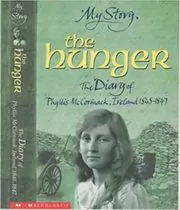
The Hunger
by Carol Drinkwater
2001
In Ireland in 1845, Phyllis McCormack watches the potato blight destroy her family's chances of survival. As hunger deepens, she sets out to find her rebel brother and is drawn into a wider fight for justice.
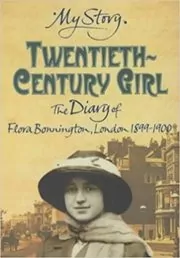
Twentieth Century Girl
by Carol Drinkwater
2001
Flora Bonnington lives in a world that expects her to stay quiet, decorative, and obedient. She wants the vote, an education, and a future shaped by new ideas, even if that means defying the father she loves.
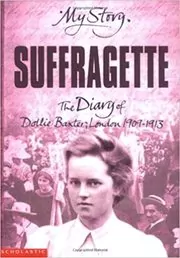
Suffragette
by Carol Drinkwater
2003
In 1909, Dollie Baxter is swept into the campaign for Votes for Women and marches beside real suffragette leaders. As the movement turns harsher and prison looms, she must decide how much she is ready to risk.
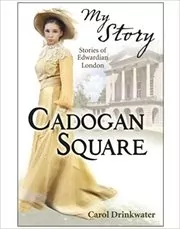
Cadogan Square
by Carol Drinkwater
2010
This collection brings together two linked stories of Edwardian London across fifteen years. Through Flora and Dollie, it follows changing ideas about class, education, and women's rights as a new century begins.
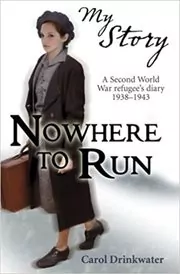
Nowhere to Run
by Carol Drinkwater
2012
Becky Mortkowicz flees Poland with her Jewish family and reaches France just as war closes in again. As danger spreads across occupied Europe, friendship, exile, and the struggle to stay hidden shape her fight to survive.
My Story books in chronological order
Series background & context
Carol Drinkwater's My Story books are historical novels for younger readers, written in the first person so the past feels close, immediate, and personal. Rather than telling history from a distance, these books drop you into it through the voice of one girl living through events she cannot control. That approach gives the series its force. Big public history is always filtered through private fear, hope, family life, and daily survival.
Drinkwater's entries in the series cover a wide spread of settings and moments. In The Hunger, she takes readers to Ireland during the potato blight, following Phyllis McCormack as famine closes in on her family and pushes her toward the search for a rebel brother. In Twentieth Century Girl, also known as 1900: A Brand-New Century, Flora Bonnington lives at the turn of the century and wants a life larger than the one polite society has planned for her. In Suffragette, Dollie Baxter is drawn into the campaign for votes for women and must decide how far she is willing to go as protest hardens into real danger.
These are books about young people caught inside change.
That is why they work so well. The historical detail matters, but the emotional access matters more. Flora wants education and independence. Dollie wants purpose and courage. Phyllis wants to keep her family going. In Nowhere to Run, the setting shifts to the south of France during the Second World War, where danger, displacement, and the persecution of Jewish families shape every choice. Across the books, Drinkwater keeps returning to the same idea: history is not only made by famous names. It is lived by ordinary people, one frightened or hopeful day at a time.
The tone is accessible without feeling watered down. The books are aimed at younger readers, but they do not flatten the stakes. Hunger, war, inequality, and political struggle are all present. What changes is the lens. Everything is brought down to a level a child can feel, whether that means worry over food, fear of arrest, conflict with parents, or the thrill of being pulled into a cause larger than yourself.
Cadogan Square is especially helpful if you like linked stories. It brings together Twentieth Century Girl and Suffragette, showing two connected lives across fifteen years of Edwardian London. That gives the page a little more sweep and lets readers see how one generation's hopes feed into the next.
If you are wondering what to expect from this series, think vivid history, strong young narrators, and stories that make the past feel human rather than decorative. These books are a good fit for readers who like diary fiction, school history made personal, and characters who are young enough to feel overwhelmed but brave enough to keep going anyway.


Edited by
Software engineer whose passion for tracking book recommendations from podcasts inspired the creation of MRB.
Lead investor at 3one4 Capital whose startup expertise and love for books helped shape MRB and its growth.
Comments
Did we miss something? Have feedback?
Help us improve this page by sharing your thoughts