
Official Pokemon Master's Club Books in Order
Part ofTracey West Books in OrderExplore the Official Pokémon Master’s Club books by Tracey West in order, with summaries and background on the type-focused Pokédex guides and their contents.
Last updated:
As an Amazon Associate, we earn from qualifying purchases (at no extra cost to you).
Official Pokemon Master's Club books in publication order
7 books
Electric Pokédex
by Tracey West
2004
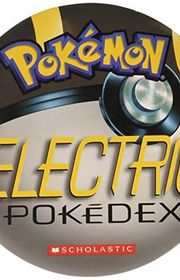
This guide introduces Electric-type Pokémon from the first three generations, with advice on battling them and using them in battle. It also covers Poké Balls, profiles Ash's Pikachu and includes an interview with Nurse Joy for readers.

Bug Pokédex
by Tracey West
2005
This guide profiles Bug-type Pokémon from the first three generations, explaining their moves, evolution, strengths and weaknesses. Anime battle coverage and an interview with Tracey Sketchit connect the reference information with familiar characters and events.

Grass Pokédex
by Tracey West
2005
Grass-type Pokémon from the first three generations receive profiles covering their moves, evolution, strengths and weaknesses. Information about berries, battles from the animated series and an interview with Professor Ivy round out the guide.

Ice and Fighting Pokédex
by Tracey West
2005
This reference guide introduces Ice- and Fighting-type Pokémon from the first three generations, with details about their abilities and evolution. Battles from the animated series and an interview with May add context to the profiles.

Normal Pokédex
by Tracey West
2005
Normal-type Pokémon from the first three generations appear in profiles explaining their moves, evolution, strengths and weaknesses. Coverage of the Petalburg Gym and an interview with Meowth connect the facts with the animated series.

Rock and Ground Pokédex
by Tracey West
2005
This reference book focuses on Rock-type and Ground-type Pokémon as part of the Element Pokédex series. It gathers information about these two groups, including Regirock, for readers exploring Pokémon by their elemental types.

Normal/Psychic
by Tracey West
2006
This combined guide covers Normal- and Psychic-type Pokémon introduced through the first three generations. Profiles explain pronunciation, size, evolution and moves, bringing the two earlier type guides together with additional information about the featured creatures.
Series background & context
Official Pokémon Master’s Club groups reference books associated with a Scholastic club for fans of the franchise. The volumes linked to Tracey West, sometimes with Katherine Noll, organize Pokémon information by types or related groups. They are not a continuing adventure in which Ash moves from one place to another. Their main purpose is to help readers identify and compare creatures within the fictional world. A type provides the starting point, with individual entries supplying more detailed information about the Pokémon included in that particular volume.
The collection includes books such as Electric Pokédex, Grass Pokédex, Rock and Ground Pokédex and Bug Pokédex. Those labels allow a reader to approach the material through an existing interest. Someone curious about one kind of Pokémon can focus on that group rather than working through an entire general handbook. The format also makes comparison possible: creatures that share a type can still differ in moves, characteristics and other details. The organizing category offers a way into the information rather than a claim that every member is identical.
The continuity is a system for exploring the creatures, rather than a single unfolding plot.
Normal Pokédex illustrates the range within an individual guide. Its material includes strengths and weaknesses, name pronunciation, moves and information about levels. It covers the Normal-type Pokémon associated with the early generations represented in the book. The volume also includes material connected to Petalburg Gym and an interview with Meowth. These additions place the creature information beside familiar elements from the wider Pokémon world, allowing reference details and a character-centered presentation to exist within the same compact book.
The club itself sent books and other collectibles to members, which helps explain the collection’s identity. The volumes belonged to a fan-oriented reading and collecting experience, not simply to a novel sequence. Their period matters as well: Pokémon has expanded over time, while a particular guide records the creatures and information available within its own scope. Reading one as a historical franchise publication avoids expecting it to include every later species or development. The appeal lies in examining the material it does contain and recognizing how the fictional categories organize it.
Choose a type-focused volume that matches a favorite group, or follow the listed order to explore the collection systematically. There is no narrative reason to complete Electric Pokédex before opening Bug Pokédex. The books reward looking things up, comparing entries and returning to familiar creatures with a more specific question. They provide companions to Pokémon stories and games while using a reference structure of their own.


Edited by
Software engineer whose passion for tracking book recommendations from podcasts inspired the creation of MRB.
Lead investor at 3one4 Capital whose startup expertise and love for books helped shape MRB and its growth.
Comments
Spotted a missing book, a wrong order or a mistake? Tell us and we'll fix this page.
We're a reading guide, not the author or publisher, so we can't send books or pass on messages.