
Nicola Bayley Books in Order
Explore Nicola Bayley books in order, with quick summaries, the Copycats series, and simple guidance on where to start with her cat-filled picture books.
Last updated:
As an Amazon Associate, we earn from qualifying purchases (at no extra cost to you).
Nicola Bayley books in publication order
13 books

Nicola Bayley's Book of Nursery Rhymes
by Nicola Bayley
1975
A richly illustrated collection of familiar nursery rhymes, gathered with Bayley’s love of detail and old-fashioned charm. It’s less a single story than a picture-filled book to dip into again and again.
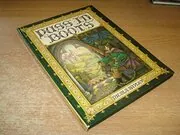
Puss in Boots
by Nicola Bayley
1976
Bayley’s pop-up take on the classic fairy tale follows the clever cat who schemes his poor master into a better life. The familiar story is all about trickery, charm, and visual surprise.
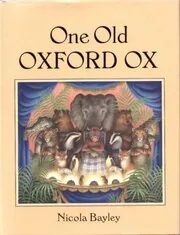
One Old Oxford Ox
by Nicola Bayley
1977
This counting book runs from one to twelve with alliterative tongue twisters and detailed animal scenes. It’s playful, slightly odd, and especially fun for kids who like sound, rhythm, and wordplay.
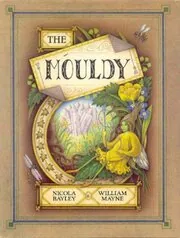
The Mouldy
by Nicola Bayley
1983
Princess Talitha faces Mouldy, a creature from the Wilderness who disturbs the peace of the great Garden of the World. It reads like a brief, eerie fairy tale, lifted by Bayley’s richly imagined illustrations.
Crab Cat
by Nicola Bayley
1984
A cat imagines becoming a crab by the sea, scuttling along the shore and exploring a new kind of world. The charm comes from the contrast between cozy cat life and this beachside fantasy.
Elephant Cat
by Nicola Bayley
1984
A cat wonders what life would be like as an elephant and lets the fantasy carry it far from ordinary cat life. Bayley keeps the story simple and lets the rich, playful pictures do the real work.
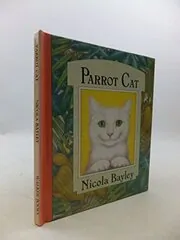
Parrot Cat
by Nicola Bayley
1984
After seeing a parrot, a cat imagines bright feathers, jungle color, and a very different sort of life. It’s a small, dreamy picture book about make-believe and the joy of pretending.
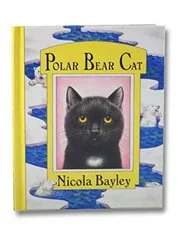
Polar Bear Cat
by Nicola Bayley
1984
A house cat drifts into a snowy daydream and imagines life as a polar bear on the ice. It’s a tiny, gentle picture book about imagination, adventure, and the pull of home.
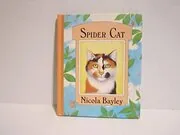
Spider Cat
by Nicola Bayley
1984
A cat dreams of life as a spider, with all the freedom, strangeness, and slightly spooky fun that idea brings. It’s a short, imaginative tale carried by Bayley’s intricate art.

As I Was Going Up and Down and Other Nonsense Rhymes
by Nicola Bayley
1985
This anthology gathers nonsense rhymes for young listeners, pairing silly language with Bayley’s carefully worked illustrations. It’s a good pick for readers who like wordplay, rhythm, and slightly mischievous fun.

Bedtime & Moonshine: Lullabies and Nonsense
by Nicola Bayley
1987
An illustrated collection of lullabies, bedtime verses, and nonsense rhymes, chosen for a softer, sleepier mood. It’s made for slow read-alouds, with gentle music in the language and plenty to look at.

The Necessary Cat
by Nicola Bayley
1998
Part picture book, part cat treasury, this is Bayley’s wide-ranging celebration of feline lore, facts, poems, sayings, and art. It’s a browsing book for cat lovers, full of curious details and affectionate humor.

The Curious Cat
by Nicola Bayley
2002
A smaller cat-themed treasury for younger readers, packed with rhymes, odd facts, lore, and playful illustrations. It keeps Bayley’s love of feline detail in a light, easy-to-dip-into format.
Where to start with Nicola Bayley
If you want the cat daydream books first: Elephant Cat → Parrot Cat → Polar Bear Cat → Spider Cat → Crab Cat
If you want classic rhymes and wordplay: Nicola Bayley's Book of Nursery Rhymes → As I Was Going Up and Down and Other Nonsense Rhymes → One Old Oxford Ox
If you want a fairy tale retelling: Puss in Boots
If you want a cat treasury to browse: The Necessary Cat → The Curious Cat
Nicola Bayley sub-series and character series
Nicola Bayley collections, short stories, and related book types
Collections
Standalone Nicola Bayley books
Author bio
Nicola Bayley was born in Singapore in 1949 and spent parts of her childhood in China and Hampshire, England. Her early life moved between places, and she later became known as a British children's illustrator and author whose books often feel both cozy and dreamlike. Readers know her best for richly detailed animals, especially cats.
She did not begin with a fixed plan to make picture books. Bayley first thought about fashion, then studied graphic design at St. Martin's School of Art in London, where illustration gradually pulled focus. She went on to the Royal College of Art, studying under Quentin Blake and sharpening the mix of precision and play that would shape her books.
That student work changed everything. Publisher Tom Maschler saw Bayley’s degree-show portfolio and commissioned a nursery rhyme collection, which became Nicola Bayley's Book of Nursery Rhymes in 1975. It was an early statement of what she did so well: luminous watercolor, patient detail, and pictures that make you want to slow down and look again.
Then the cats really arrived.
Bayley returned to them again and again, not as generic pets but as watchful, funny, slightly mysterious creatures. In 1984 she created the Copycats books, including Elephant Cat, Parrot Cat, Polar Bear Cat, Spider Cat, and Crab Cat. Each one takes a small cat daydream and lets it bloom into a whole imagined world. The text is spare, the idea is simple, and the illustrations do a huge amount of the work.
She also had a knack for books built around rhyme, rhythm, and old stories. One Old Oxford Ox turns counting into a run of tongue twisters and animal scenes. Puss in Boots shows how neatly her style fits a classic fairy tale. Much later, The Necessary Cat pulled together poems, lore, facts, and pictures into a cat-filled treasury that feels part scrapbook, part picture book, and part love letter to feline life.
Bayley was just as memorable when she illustrated other writers. Richard Adams was inspired by one of her tiger images and wrote The Tyger Voyage. Antonia Barber’s The Mousehole Cat, with Bayley’s illustrations, won the British Book Award for Illustrated Children’s Book of the Year. Her art for Gretchen Woelfle’s Katje, the Windmill Cat was later shortlisted for the Kate Greenaway Medal.
She never needed many words.
A lot of Bayley’s storytelling lives in texture, mood, and small expressions. She preferred watercolor and built many images through stippling, using thousands of tiny dots to create softness and depth. Her own pet cats often served as models, which may be one reason her animals feel so specific. Even when a cat is pretending to be a parrot or a polar bear, it still looks like a cat with its own private opinions.
Later biographical notes also describe her as a landscape painter, which fits the attention she gives to weather, light, and place. But whatever the setting, a Bayley book usually invites the same kind of reading experience: take your time, notice the corners, and let the pictures carry part of the story. If you come for the cats, you usually stay for the atmosphere.





Edited by
Software engineer whose passion for tracking book recommendations from podcasts inspired the creation of MRB.
Lead investor at 3one4 Capital whose startup expertise and love for books helped shape MRB and its growth.
Comments
Did we miss something? Have feedback?
Help us improve this page by sharing your thoughts