
Mario Conde Mystery Books in Order
Part ofLeonardo Padura Books in OrderSee the Mario Conde Mystery books in order by Leonardo Padura, with summaries, series background, later-book context, and tips on where to start.
Last updated:
As an Amazon Associate, we earn from qualifying purchases (at no extra cost to you).
Mario Conde Mystery books in publication order
9 books

Havana Blue
by Leonardo Padura
1991
On New Year's Day, Mario Conde is assigned the disappearance of Rafael Morin, a polished official from his school days. The search forces him to revisit old rivalries, lost love, and the rot hiding behind revolutionary success.
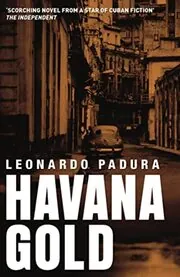
Havana Gold
by Leonardo Padura
1994
Lieutenant Mario Conde investigates the murder of a young teacher whose life was more complicated than it first seemed. As pressure mounts from above, the case pulls him through school politics, black markets, and the city's moral heat.

Havana Red
by Leonardo Padura
1997
In the sweltering Havana summer, Mario Conde investigates the killing of a young man found in a red dress. The case leads him into worlds of repression, performance, and old wounds that polite society prefers not to see.
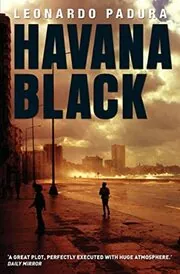
Havana Black
by Leonardo Padura
1998
As a hurricane closes in on Havana, Mario Conde investigates the brutal murder of a returning exile with ties to confiscated art and old privilege. The case exposes family secrets, corruption, and a city worn down by disappointment.

Havana Fever
by Leonardo Padura
2005
Now making a living in the secondhand book trade, Mario Conde discovers a clipping about a vanished bolero singer. His curiosity leads him through old libraries, hidden family histories, and a Havana steeped in nostalgia and loss.
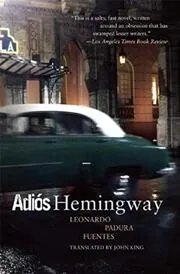
Adios Hemingway
by Leonardo Padura
2006
When human bones turn up at Ernest Hemingway's old Cuban estate, ex-cop Mario Conde is pulled back into an investigation. The case becomes a smart, moody search through literary legend, memory, and the uneasy truth behind a hero.

Heretics
by Leonardo Padura
2013
A lost Rembrandt and the 1939 voyage of Jewish refugees to Havana pull Mario Conde into a case that crosses decades and continents. Padura blends mystery, history, and moral reckoning without losing the grit of the city.

Grab a Snake by the Tail
by Leonardo Padura
2018
In Havana's Chinatown, Inspector Mario Conde investigates the hanging of an elderly Chinese Cuban man marked with unsettling symbols. What starts as an odd murder case opens onto smuggling, old grievances, and the fading life of a once-thriving community.
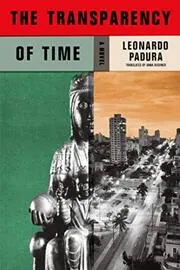
The Transparency of Time
by Leonardo Padura
2021
Approaching sixty and worn down by Havana's hardships, Mario Conde is hired to find a stolen black Madonna statue. The search ranges from present-day streets to deep history, turning a small case into something much stranger and sadder.
Mario Conde Mystery books in chronological order
Series background & context
The Mario Conde books start as detective novels, but they quickly show that Leonardo Padura has more on his mind than the puzzle alone. Mario Conde is a Havana police lieutenant with a sharp nose for trouble, a strong taste for rum, and the nagging feeling that he should have become a writer instead of a cop. That tension gives the series its pulse. He investigates crimes, of course, but he is also measuring the distance between youthful ideals and the life his generation actually ended up living.
The early books, including Havana Blue, Havana Gold, Havana Red, and Havana Black, follow Conde through late 1980s Havana across the cycle of the year. Each case drops him into a different layer of the city: official privilege, black markets, hidden sexual worlds, family loyalties, old money, old resentments. The crimes are specific, but the books are also quietly taking the temperature of Cuba at a moment of strain, fatigue, and fading certainty.
Havana is never just scenery here.
That is one of the big pleasures of the series. Padura fills the books with crumbling buildings, unbearable heat, storms, street corners, secondhand gossip, food, music, and long friendships that refuse to break even when everything else is wearing out. Conde can be cynical, melancholy, funny, and stubborn, sometimes all in the same chapter. He notices hypocrisy, but he also notices tenderness, which keeps these novels from turning cold.
The crimes matter. So does everything around them.
As the series goes on, Conde changes. He leaves the police and later works as a buyer and seller of old books, but mysteries still find him. In Adios Hemingway, bones on Ernest Hemingway's old estate pull him back into investigation. In Havana Fever, a vanished bolero singer leads him through libraries and buried histories. Heretics and The Transparency of Time widen the canvas even further, linking Havana to art, exile, religion, and centuries of memory. Grab a Snake by the Tail circles back to an earlier Chinatown case and shows how flexible the series can be.
So even when the plots involve murder, stolen paintings, or missing objects, the larger story is about survival, disappointment, loyalty, and the stubborn hold of the past. These are noir novels, but they are also books about friendship, aging, and the private bargains people make with history. If you like detective fiction with atmosphere, strong character work, and a city that feels fully alive, this is where to start. The first four Conde novels were also adapted for the screen as Four Seasons in Havana.










Edited by
Software engineer whose passion for tracking book recommendations from podcasts inspired the creation of MRB.
Lead investor at 3one4 Capital whose startup expertise and love for books helped shape MRB and its growth.
Comments
Did we miss something? Have feedback?
Help us improve this page by sharing your thoughts