
Mario Puzo Books in Order
Explore Mario Puzo's books in order, with summaries, series background, and guides, from The Godfather and his Mafia novels to early novels and nonfiction.
Last updated:
As an Amazon Associate, we earn from qualifying purchases (at no extra cost to you).
Mario Puzo books in publication order
15 books
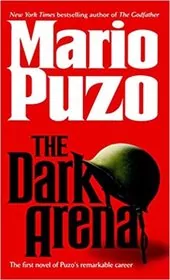
The Dark Arena
by Mario Puzo
1955
American veteran Walter Mosca comes home from World War II restless and unsatisfied, then returns to devastated Germany to reclaim the woman he loves, only to find himself drawn into a black market world that tests his ideals and loyalties.
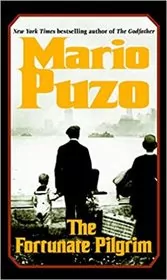
The Fortunate Pilgrim
by Mario Puzo
1965
In this portrait of an Italian American family in New York, formidable matriarch Lucia Santa fights to keep her children fed, safe, and respectable as they pass from the tenements through the Depression toward war, torn between old country values and American dreams.
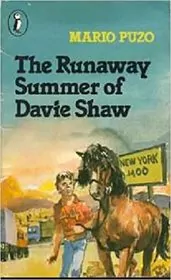
The Runaway Summer of Davie Shaw
by Mario Puzo
1966
Young Davie Shaw expects a dull summer with his grandparents while his parents travel the world, but a stubborn pony and a restless imagination lead him across the United States, turning one runaway adventure into a gentle coming of age journey.
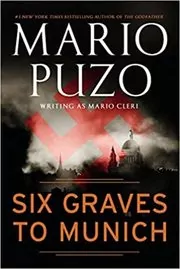
Six Graves to Munich
by Mario Puzo
1967
A former American intelligence officer who survived Gestapo torture returns to postwar Europe ten years later, tracking down the seven men who nearly killed him and exacting revenge in a lean, relentless thriller about memory, justice, and obsession.
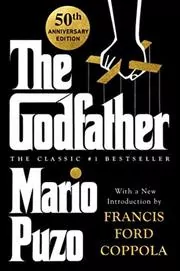
The Godfather
by Mario Puzo
1969
Vito Corleone rules a New York crime family built on favors, loyalty, and fear, but when an ambitious rival moves on him, his youngest son Michael is forced to step in, setting off a dark transformation and a brutal struggle for power.
Recommended by
4 people LeBron James recommended this book
LeBron James
LeBron James was seen reading this book.
LeBron James's recommendation of this book  Tim Draper recommended this book
Tim Draper
"My Mom suggested I read it, and my teacher didn’t approve." - Tim Draper
Tim Draper's recommendation of this book  Charles Koch recommended this book
Charles Koch
Charles Koch recommended this book on his website.
Charles Koch's recommendation of this book  David Friedberg recommended this book
David Friedberg
"Very graphic and interesting. But if you've seen the movie, I don't think you get much more from [this book]." - David Friedberg
David Friedberg's recommendation of this book
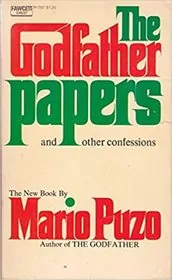
The Godfather Papers
by Mario Puzo
1972
This collection of essays and memories traces Mario Puzo's long road to writing his novel The Godfather, mixing autobiography, craft talk, and frank reflections on money, fame, gambling, and the compromises behind a worldwide bestseller.
Inside Las Vegas
by Mario Puzo
1977
A rare nonfiction book from Puzo, this insider's tour of Las Vegas looks past the neon to follow high rollers, hustlers, dealers, and casino bosses, weaving gambling lore with personal experience in a candid portrait of the city's allure and cost.
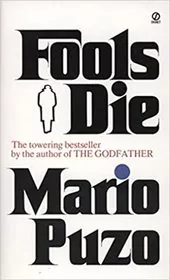
Fools Die
by Mario Puzo
1978
Set in Las Vegas, New York, and Hollywood, Fools Die follows gambler and writer John Merlyn and his friend Cully Cross through big wins, betrayals, and compromises, tracing how money, art, and loyalty collide in casinos, publishing houses, and movie studios.
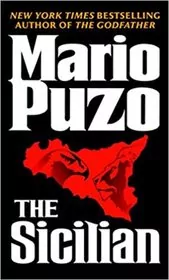
The Sicilian
by Mario Puzo
1984
During his exile in Sicily, Michael Corleone becomes entangled in the legend of Salvatore Guiliano, a charismatic bandit fighting landowners, the church, and the Mafia, in a story that blends outlaw adventure with the ruthless politics of postwar Italy.
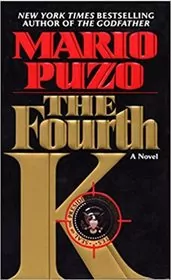
The Fourth K
by Mario Puzo
1990
In a near future America, President Francis Xavier Kennedy inherits the glamour and expectations of his famous family, then faces a terrorist plot that targets his daughter, pushing him toward drastic choices that blur the line between justice and revenge.
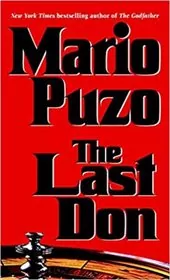
The Last Don
by Mario Puzo
1996
Don Domenico Clericuzio wants his Mafia clan to move into respectable society, but years later his heirs Cross and Dante find that old secrets, Hollywood egos, and Las Vegas casinos keep dragging the family back into violence, loyalty tests, and betrayal.
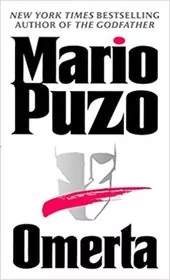
Omerta
by Mario Puzo
1999
After powerful New York don Raymonde Aprile is murdered, his seemingly harmless ward Astorre Viola must protect the family's legitimate banking empire, honoring the Mafia's code of silence while outmaneuvering rival bosses, corrupt officials, and even law enforcement.
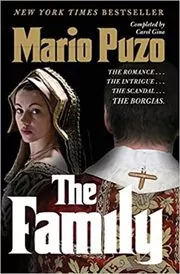
The Family
by Mario Puzo
2001
This historical novel follows Pope Alexander VI, born Rodrigo Borgia, and his children Cesare and Lucrezia as they use charm, marriage, war, and ruthless politics to build and defend their power in Renaissance Italy, blurring lines between devotion and ambition.
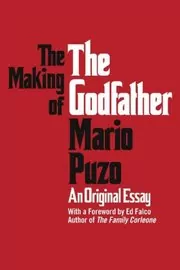
The Making of the Godfather
by Mario Puzo
2013
In this extended essay, Puzo looks back on how he went from struggling writer to the unexpected success of The Godfather, recounting the book deal, the early Hollywood meetings, and his often funny, wary encounters with producers, directors, and stars.

Me and Mario
by Mario Puzo
2018
Written by nurse and novelist Carol Gino, this memoir traces her twenty year love and creative partnership with Mario Puzo, offering intimate stories about their travels, daily routines, arguments, and the way his major books took shape behind the scenes.
Where to start with Mario Puzo
If you want the core Mafia saga: The Godfather → The Sicilian → Omerta.
If you prefer early, character driven fiction: The Dark Arena → The Fortunate Pilgrim.
If you like Vegas, gambling and show business: Fools Die → Inside Las Vegas → The Last Don.
If you enjoy political and historical power struggles: The Fourth K → The Family.
If you want memoir and behind the scenes stories: The Godfather Papers → The Making of the Godfather → Me and Mario.
Mario Puzo sub-series and character series
Mario Puzo collections, short stories, and related book types
Non-Fiction Books
Standalone Mario Puzo books
Author bio
Mario Puzo was born in 1920 in New York City's Hell's Kitchen, the child of Italian immigrants from villages in southern Italy. His family was large, poor, and crowded into a tough neighborhood, but he grew up surrounded by stories, dialects, and the stubborn pride of people trying to carve out a life in America.
When Puzo was twelve, his father fell ill and was sent to a state hospital, leaving his mother to raise seven children alone. Puzo left school early, worked clerical jobs, and read widely, already dreaming of becoming a writer even when money was tight.
During World War II he served in the United States Army Air Forces, spending time in Germany and seeing firsthand the ruins of Europe after the fighting. After the war he returned to New York on the GI Bill, studying at City College and taking classes at other schools while he taught himself how to write fiction.
His first published story, "The Last Christmas", appeared in 1950, and he spent that decade learning the trade. He worked as an editor and staff writer for men's magazines, sometimes under the name Mario Cleri, turning out war adventures and pulp features during the day while writing more serious work at night.
Those serious early novels were The Dark Arena and The Fortunate Pilgrim, both rooted in his own world of war, poverty, and immigrant families. Critics admired them, but sales were small, and by his forties Puzo was supporting a wife and five children, burdened with debts and frustrated that good reviews did not pay the bills.
Out of that pressure came The Godfather. Puzo decided to write the kind of big, commercial story he thought readers wanted, drawing on research into the Mafia and on the complex loyalties he had seen in his own community. The novel, published in 1969, became a publishing sensation and led to the legendary film adaptation directed by Francis Ford Coppola.
Puzo worked closely with Coppola on the screenplays for the first two Godfather films and shared Academy Awards for both. He also wrote or co wrote scripts for popular movies like Superman, Superman II, and The Cotton Club, moving between Hollywood and his quiet writing life on Long Island.
On the page he kept returning to themes of power, money, and family. Novels such as Fools Die, The Sicilian, The Fourth K, The Last Don, and Omerta explore casinos, publishing, politics, and the changing face of organized crime, always circling questions of loyalty, betrayal, and the cost of ambition.
He also wrote more personal work, including the semi autobiographical The Godfather Papers and Other Confessions, and later spent decades drafting a historical epic about the Borgia family, published after his death as The Family with the help of his longtime companion, writer Carol Gino.
Puzo died of heart failure in 1999 at his home on Long Island, still working and revising. Readers continue to come to him for fast moving plots, vivid underworld detail, and the uneasy mix of tenderness and brutality inside his fictional families. His stories of crime and clan loyalty changed how popular culture talks about power in America.
Edited by
Software engineer whose passion for tracking book recommendations from podcasts inspired the creation of MRB.
Lead investor at 3one4 Capital whose startup expertise and love for books helped shape MRB and its growth.
Comments
Did we miss something? Have feedback?
Help us improve this page by sharing your thoughts