
Margaret Wise Brown Books in Order
Explore Margaret Wise Brown's books in publication order, with short summaries of her picture books, bedtime stories, and collections to help you choose.
Last updated: 5 new books added
As an Amazon Associate, we earn from qualifying purchases (at no extra cost to you).
Margaret Wise Brown books in publication order
160 books
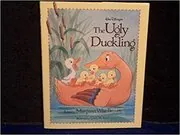
The Ugly Duckling
by Margaret Wise Brown
1843
A duckling is rejected because he looks different from the other birds and wanders in search of acceptance. This retelling of Hans Christian Andersen's story follows his loneliness and uncertainty as he tries to find somewhere to belong.
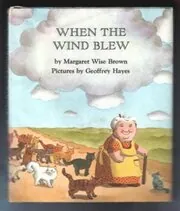
When the Wind Blew
by Margaret Wise Brown
1937
An elderly woman lives beside the sea with seventeen cats and a small blue-gray kitten. When discomfort narrows her world, the kitten's companionship brings comfort, making this a quiet story about loneliness, care, and the company of animals.
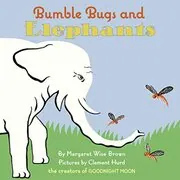
Bumble Bugs and Elephants
by Margaret Wise Brown
1938
Large and small animals appear in rhythmic comparisons, from chickens to fish and beyond. The book invites young readers to notice differences in size and then imagine more examples, turning a simple concept into an open-ended reading game.
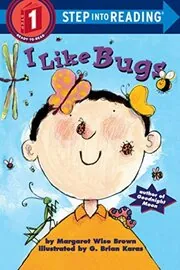
I Like Bugs
by Margaret Wise Brown
1938
A young narrator celebrates insects of different colors, sizes, and shapes, whether they crawl or fly. Short rhymes and repeated words introduce beginning readers to bugs while encouraging curiosity about the small creatures they encounter around them.
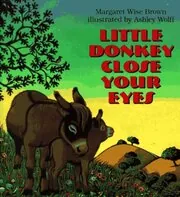
Little Donkey Close Your Eyes
by Margaret Wise Brown
1938
As evening arrives, animals and a child finish their activities and prepare to sleep. Monkeys, sheep, kittens, and other creatures join a rhythmic bedtime poem that connects a child's nightly routine with the resting world around them.
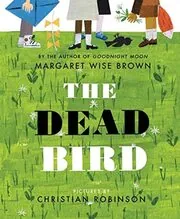
The Dead Bird
by Margaret Wise Brown
1938
Children find a bird that has died and decide to give it a burial. Their flowers and songs create a small farewell ceremony, exploring how children respond to death through curiosity, sadness, and their own acts of care.
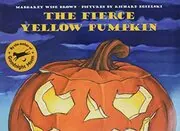
The Fierce Yellow Pumpkin
by Margaret Wise Brown
1938
A small pumpkin watches a scarecrow and dreams of becoming frightening enough to scare the field mice. As autumn approaches and the pumpkin grows, a visit from three children offers an unexpected possibility for his unusual ambition.
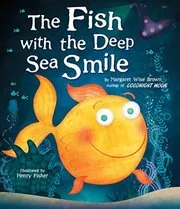
The Fish with the Deep Sea Smile
by Margaret Wise Brown
1938
A family searches the seas for a fish with a distinctive smile, encountering other fish along the way. Rhyming language carries their quest from polar waters to the tropics, keeping the elusive catch at the center of the adventure.
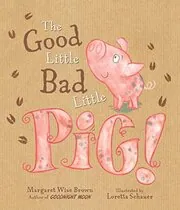
The Good Little Bad Little Pig!
by Margaret Wise Brown
1938
Peter asks for a pet pig who can be both good and bad. His parents struggle with the animal's mess and noise, while Peter takes responsibility for its care and accepts behavior that isn't always easy to live with.

The Little Fireman
by Margaret Wise Brown
1938
A tall fireman and a small fireman live in neighboring firehouses and answer calls suited to their different sizes. Their parallel adventures introduce firefighting through contrasts in scale, with the little fireman facing a real rescue of his own.
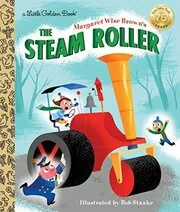
The Steam Roller
by Margaret Wise Brown
1938
A girl receives a full-sized steam roller for Christmas and drives it without knowing how. When people in her path become flattened, the strange gift turns into a comic problem that she must bring back to her parents.
The Streamlined Pig
by Margaret Wise Brown
1938
A wealthy little boy has a farm equipped with elaborate modern conveniences. When floodwaters threaten the animals, getting them to safety requires an unusual airborne rescue, turning the farm's grand arrangements into the setting for a nonsense adventure.
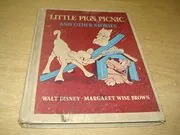
Little Pig's Picnic
by Margaret Wise Brown
1939
This collection brings together animal stories illustrated by the Walt Disney Studio, including a tiny pig's picnic, an ugly duckling, and Pluto's encounters with chicks and a kitten. Barnyard life and familiar animated characters shape the varied tales.
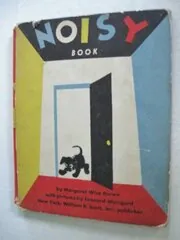
The Noisy Book
by Margaret Wise Brown
1939
With his eyes temporarily bandaged, little dog Muffin must identify the world through sound. City noises become a guessing game as he listens to vehicles, animals, and people, inviting children to work out and imitate what he hears.
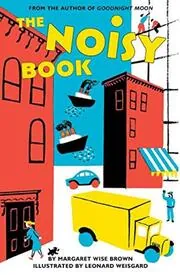
The Noisy Book Board Book
by Margaret Wise Brown
1939
Little dog Muffin hears a puzzling squeak and tries to discover what is making it. This board book presents his sound-centered adventure with bright pictures, giving young children a chance to guess and explore familiar noises alongside him.
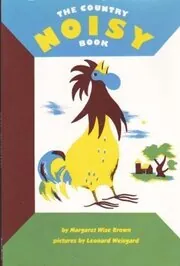
The Country Noisy Book
by Margaret Wise Brown
1940
Muffin visits the country for the first time and hears unfamiliar animal sounds. Donkeys, turkeys, owls, and frogs become part of a listening game that invites children to identify the noises and join in with their own voices.
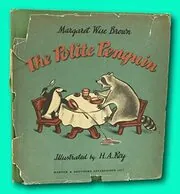
The Polite Penguin
by Margaret Wise Brown
1941
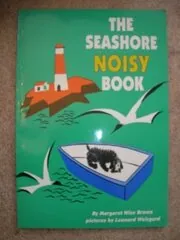
The Seashore Noisy Book
by Margaret Wise Brown
1941
Little dog Muffin explores the seashore through its sounds, from foghorns and a bell buoy to water and small creatures on the sand. His visit invites children to listen, guess, and imagine the varied noises of the coast.
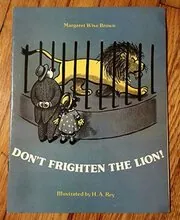
Don't Frighten The Lion
by Margaret Wise Brown
1942
A little dog wants to visit the zoo but is refused entry because dogs might frighten the animals, especially the lion. The unusual rule creates a comic obstacle as she and her companion look for a way inside.

The Indoor Noisy Book
by Margaret Wise Brown
1942
Muffin has a cold and must spend the day indoors, where he listens to household activity and the weather outside. Cleaning, meals, wind, and rain turn staying home into a guessing game about the noises surrounding him.
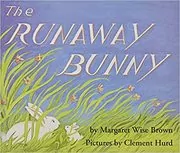
The Runaway Bunny
by Margaret Wise Brown
1942
A little bunny imagines running away by becoming a fish, a bird, or other things beyond his mother's reach. She answers each plan with a way to follow him, exploring independence through a reassuring game of imagined transformations.
Recommended by
1 person Hillary Clinton recommended this book
Hillary Clinton
"I started reading to Chelsea with [this book] and all the favorites which led her to make her own reading choices." - Hillary Clinton
Hillary Clinton's recommendation of this book

A Child's Good Night Book
by Margaret Wise Brown
1943
Night arrives and children, animals, and even vehicles settle into quiet. Sheep, kangaroos, bunnies, and bees prepare for rest alongside sleepy children, while the rhythmic text follows the shared movement from the day's activity toward bedtime.
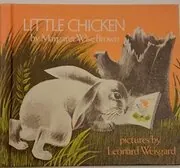
Little Chicken
by Margaret Wise Brown
1943
A little chicken follows the rabbit who has cared for him since hatching. When the rabbit leaves for a run, the shy chick searches for playmates among other creatures, discovering that not everyone responds to his invitation alike.
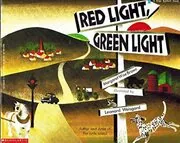
Red Light, Green Light
by Margaret Wise Brown
1944
A traffic signal repeats its instructions throughout the day and night, guiding when vehicles must stop and when they can move. Rhythmic language turns the familiar red and green lights into a lesson about traffic and paying attention.
The Big Fur Secret
by Margaret Wise Brown
1944
A boy watches animals at the zoo and imagines touching or playing with them. Each fantasy meets a limit as he considers what the creatures would want, inviting readers to think beyond their own feelings about animals.
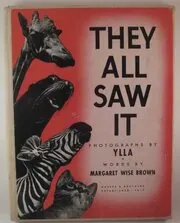
They All Saw It
by Margaret Wise Brown
1944
Animals react to something they have seen, jumping, wondering, and hesitating while the reader is kept guessing. Ylla's photographs accompany the repeated mystery, inviting children to compare the creatures' expressions and work out what drew their attention.
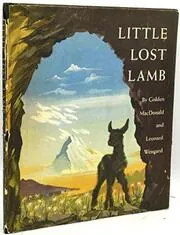
Little Lost Lamb
by Margaret Wise Brown
1945
A young shepherd discovers that one of his lambs is missing and climbs a mountain to find it. Darkness and cold make the search difficult, turning his responsibility for the flock into a journey focused on one vulnerable animal.
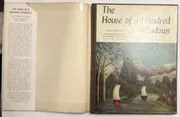
The House of a Hundred Windows
by Margaret Wise Brown
1945
A little cat stays inside a house with a hundred windows, each offering a different view of the world. Reproductions of paintings become those views, linking the cat's imagined surroundings with an introduction to varied works of art.
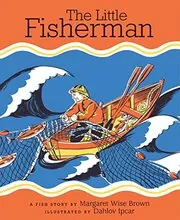
The Little Fisherman
by Margaret Wise Brown
1945
A big fisherman and a little fisherman spend a day at sea in boats suited to their sizes. Fish, sailors, and equipment echo the contrast, inviting children to compare two parallel working worlds through a familiar daily routine.
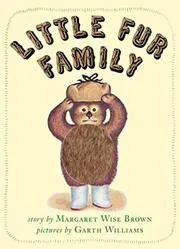
Little Fur Family
by Margaret Wise Brown
1946
A little fur child leaves his family's tree-trunk home to explore the woods and meet creatures both familiar and strange. His day's discoveries balance the excitement of venturing outward with the comfort of parents waiting at home.
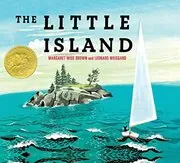
The Little Island
by Margaret Wise Brown
1946
A small island changes with the seasons as its plants and creatures experience shifting sights, sounds, and weather. A visiting kitten adds questions about its place in the wider world, connecting the island's daily life with the surrounding ocean.
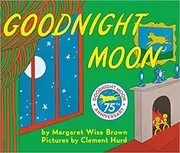
Goodnight Moon
by Margaret Wise Brown
1947
A little bunny prepares for sleep in a green room, saying goodnight to the moon and the objects around him. Repetition, rhyme, and gradually quieting surroundings turn familiar bedtime details into a calm ritual of noticing and farewell.
Recommended by
3 people Arianna Huffington recommended this book
Arianna Huffington
"We need an adult version of [this book]!" - Arianna Huffington
Arianna Huffington's recommendation of this book - Hillary Clinton recommended this book
Hillary Clinton
"I started reading to Chelsea with [this book] and all the favorites which led her to make her own reading choices." - Hillary Clinton
Hillary Clinton's recommendation of this book  Krista Tippett recommended this book
Krista Tippett
Krista Tippett mentioned this book on "The Tim Ferriss Show" podcast.
Krista Tippett's recommendation of this book
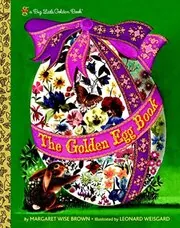
The Golden Egg Book
by Margaret Wise Brown
1947
A lonely bunny discovers an egg and hears something moving inside it. Wondering what it might contain, he investigates the mysterious object, making curiosity and the possibility of companionship the center of this springtime story for young children.
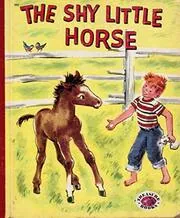
The Shy Little Horse
by Margaret Wise Brown
1947
A shy young horse runs away whenever a visitor approaches, staying close to his mother. When a patient man comes to the barnyard, his quiet approach offers a different way to meet an animal who fears being caught.
The Winter Noisy Book
by Margaret Wise Brown
1947
Muffin encounters the unfamiliar sounds of the colder season, including crackling fires, rattling branches, and tinkling ice. His listening adventure invites children to guess what makes each noise and notice how winter changes the world around them.
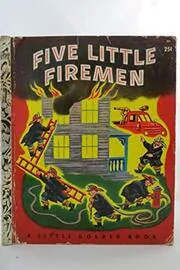
Five Little Firemen
by Margaret Wise Brown
1948
Five firemen answer a call to a burning house, where people are trapped inside. Their urgent work combines rescue with fighting the blaze, introducing young readers to the teamwork and tasks involved when firefighters respond to an emergency.
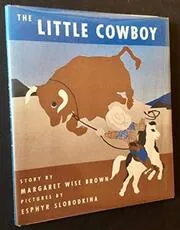
The Little Cowboy
by Margaret Wise Brown
1948
A big cowboy and a very small cowboy work through a day on the ranch. Their contrasting sizes frame the same practical tasks, showing young readers how effort and responsibility matter alongside the difference between being big and little.
The Little Farmer
by Margaret Wise Brown
1948
A big farmer and a little farmer live beside one another and tackle the same kinds of chores on differently sized farms. Their parallel day invites children to compare scale while following the work that keeps each farm going.
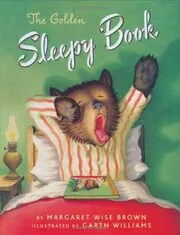
The Sleepy Book
by Margaret Wise Brown
1948
Stories, songs, and poems follow animals toward sleep, including dreaming rabbits, drowsy bees, and little horses. The collection uses varied rhythms and forms to turn bedtime into a shared experience between a child and the resting creatures in its pages.
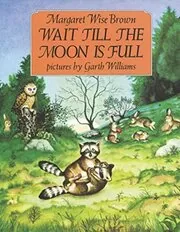
Wait Till the Moon Is Full
by Margaret Wise Brown
1948
A young raccoon longs to explore the night, but his mother tells him to wait until the moon is full. His questions about darkness, owls, and nighttime sounds make the waiting part of an adventure in curiosity and patience.

A Pussycat's Christmas
by Margaret Wise Brown
1949
A cat explores Christmas Eve through the sounds, smells, and sights around her. Rustling paper, candles, bells, snow, and tree lights turn familiar holiday preparations into a sensory adventure seen from an animal's curious point of view.
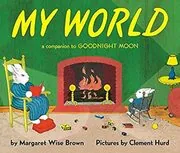
My World
by Margaret Wise Brown
1949
A young rabbit explores everyday life alongside his parents, comparing their belongings and activities with his own. Simple rhymes move through play, meals, and home routines as he discovers his place in the world around him.
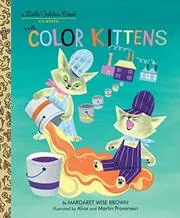
The Color Kittens
by Margaret Wise Brown
1949
Kittens Brush and Hush experiment with pots of paint, trying to make the color green. Their mixtures create unexpected shades, turning a search for one favorite color into a playful exploration of how colors work together.
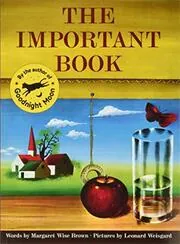
The Important Book
by Margaret Wise Brown
1949
What matters most about a spoon, an apple, or the rain? Short, repeating poems examine familiar objects and natural things, inviting children to notice their details and think about which qualities make each one itself.

Two Little Miners
by Margaret Wise Brown
1949
Two miners begin their day clean, then descend underground to dig coal and return covered in dust. Their work, washing, meals, and rest form a rhythmic picture of a demanding job and the routines surrounding it.
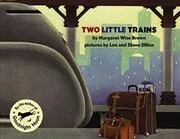
Two Little Trains
by Margaret Wise Brown
1949
Two little trains travel west across hills, through tunnels, and into changing weather. Repeated sounds and rhythmic words follow their progress, inviting children to compare their journeys and imagine the steady movement of wheels along the tracks.
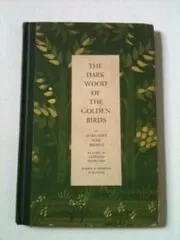
The Dark Wood of the Golden Birds
by Margaret Wise Brown
1950
Two orphaned children find a home with an old man beside a mysterious forest he warns them never to enter. When he becomes ill, the boy ventures into the dark wood searching for a way to help.
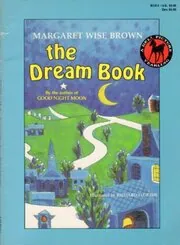
The Dream Book
by Margaret Wise Brown
1950
Animals and people drift into dreams that carry them beyond ordinary waking life. Brief text and pictures explore what different sleepers might imagine, inviting children to consider the strange possibilities that appear when their own eyes close.
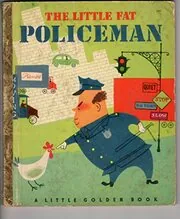
The Little Fat Policeman
by Margaret Wise Brown
1950
A busy policeman directs traffic, stops a speeding driver, investigates a burglary, and helps a swimmer in danger. These short episodes introduce children to different parts of his work through everyday problems and unexpected situations.
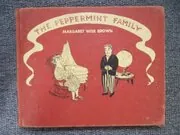
The Peppermint Family
by Margaret Wise Brown
1950
Mr. Peppermint travels to the North Pole while Mrs. Peppermint welcomes a new baby at home. A letter sent north asks him to choose a name, linking his distant journey with the family's newest arrival.
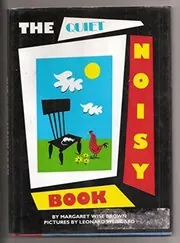
The Quiet Noisy Book
by Margaret Wise Brown
1950
Muffin the dog hears a noise so quiet that it seems almost impossible to identify. Imagined sounds invite young listeners to guess alongside him, turning attentive listening into a gentle exploration of stillness and the start of morning.
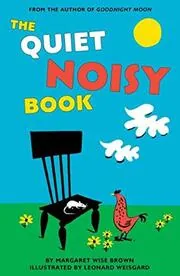
The Quiet Noisy Book Board Book
by Margaret Wise Brown
1950
Something very quiet wakes Muffin after a night of sleep, and the little dog wonders what it could be. This board book invites children to listen closely and imagine sounds that are easy to overlook.
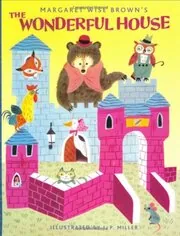
The Wonderful House
by Margaret Wise Brown
1950
A boy and girl's farmhouse begins a journey through many kinds of homes, from barns and nests to shells and burrows. Questions about who lives where encourage children to compare familiar rooms with the shelters animals need.
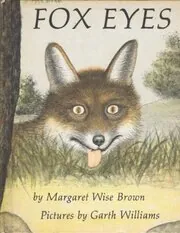
Fox Eyes
by Margaret Wise Brown
1951
A red fox spies on other animals and discovers their secrets, leaving them anxious about what he knows. But the fox has a secret of his own, giving this woodland story another mystery for young readers to consider.
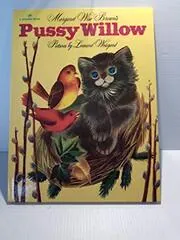
Pussy Willow
by Margaret Wise Brown
1951
A kitten named Pussy Willow sets out to find the bush beneath which he first woke. His search takes him through the changing seasons, turning a familiar name into a reason to explore the world around him.
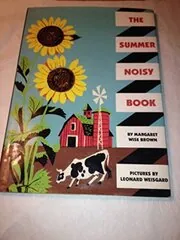
The Summer Noisy Book
by Margaret Wise Brown
1951
Muffin rides to the country with his family, listening as city noises give way to unfamiliar rural sounds. His summer journey invites children to identify what he hears, from the countryside's daily activity to a nighttime storm.
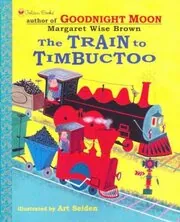
The Train to Timbuctoo
by Margaret Wise Brown
1951
A big train and a little train set off from Kalamazoo toward Timbuctoo. Rhyming words and repeated engine sounds carry children along the tracks, past bridges and countryside, making the journey an adventure in listening.
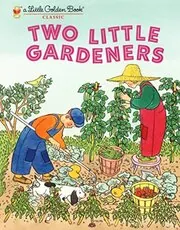
Two Little Gardeners
by Margaret Wise Brown
1951
A brother and sister plant seeds and work together to care for their garden. Waiting for the vegetables to grow becomes part of the adventure, showing how effort and patience connect spring planting with the autumn harvest.

A Child's Good Morning Book
by Margaret Wise Brown
1952
As morning arrives, children, animals, and plants begin to stir. Crowing roosters, nibbling rabbits, opening flowers, and buzzing bees fill this rhythmic greeting to a new day, inviting young listeners to notice how the world wakes up.
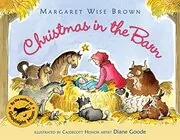
Christmas in the Barn
by Margaret Wise Brown
1952
Mary and Joseph find shelter among the animals in a barn, where their baby is born. Shepherds and wise men gather around the newborn in this gentle, rhyming version of the Christmas story for young children.

Doctor Squash the Doll Doctor
by Margaret Wise Brown
1952
Doctor Squash cares for dolls and other tiny toys whenever they need mending or comfort. His visits make illness less frightening, while the possibility that the doctor might need care himself gives his patients a chance to help.

Mister Dog
by Margaret Wise Brown
1952
Crispin's Crispian is a dog who belongs to himself, with his own home and routines. When he meets a boy who also belongs to himself, their encounter explores independence and the possibility of sharing life with someone else.
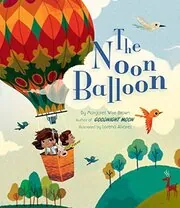
The Noon Balloon
by Margaret Wise Brown
1952
A boy, a girl, and their little dog climb into a balloon for a journey above the city and sea. Storm clouds and airplanes make the sky an adventurous place as they travel through an unfamiliar world.
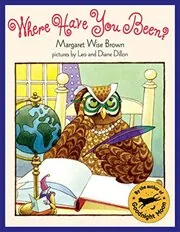
Where Have You Been?
by Margaret Wise Brown
1952
An owl asks animals where they've been and hears a series of playful, sometimes puzzling replies. Rhyming exchanges with cats, fish, squirrels, and other creatures encourage children to wonder about the journeys happening all around them.
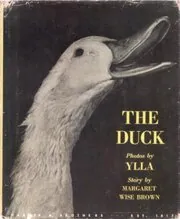
The Duck
by Margaret Wise Brown
1953
A duck visits the zoo, eager to show himself to its animals and visitors. Comparing that setting with life beside the sea turns his outing into a simple exploration of freedom and where he feels at home.
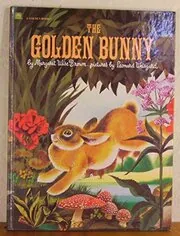
The Golden Bunny
by Margaret Wise Brown
1953
Bunnies appear through the seasons in this collection of stories and poems. Their activities and the changing natural world give young readers a variety of small adventures, pairing playful language with pictures that invite close attention.
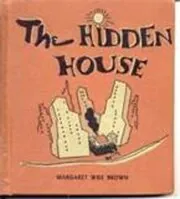
The Hidden House
by Margaret Wise Brown
1953
A boy and his dog discover a little house and garden hidden among city buildings. Inside, a warm fire and cooking food raise questions about who lives there, turning an ordinary walk into an unexpected adventure.

The Sailor Dog
by Margaret Wise Brown
1953
Scuppers was born at sea and longs to become a sailor. When he finally takes a boat onto the ocean, a shipwreck tests his determination and leaves him needing to solve practical problems far from home.
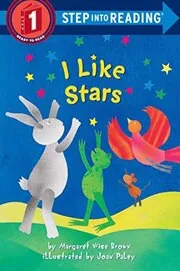
I Like Stars
by Margaret Wise Brown
1954
Stars of different colors, distances, and movements fill this simple celebration of the night sky. Repeated words give beginning readers a pattern to follow while pictures and short phrases invite them to look closely at shining stars.
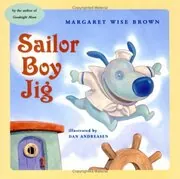
Sailor Boy Jig
by Margaret Wise Brown
1954
A sailor dog dances a jig, stepping and jumping to words that move between big and little, loud and soft. The playful rhyme invites children to join in, turning listening into movement and a chance to experiment with rhythm.
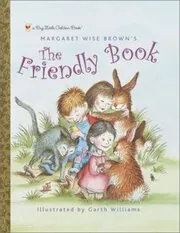
The Friendly Book
by Margaret Wise Brown
1954
Rhyming lists celebrate things a child might like, from dogs and boats to cars and stars. The poems invite young listeners to notice variety in familiar subjects and add their own favorites to the growing collection.
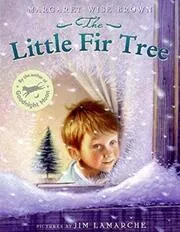
The Little Fir Tree
by Margaret Wise Brown
1954
A lonely fir tree wishes it could belong to something beyond its empty field. When a man takes it home for his young son's Christmas celebration, the tree discovers a new connection with a family and their traditions.
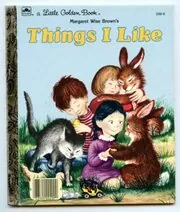
Things I Like
by Margaret Wise Brown
1954
Familiar pleasures become a sequence of playful rhymes, with cars, boats, animals, and stars among the things to enjoy. The repeating lists invite children to name their own favorites and look for small delights in everyday life.
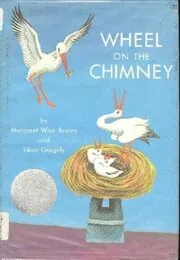
Wheel on the Chimney
by Margaret Wise Brown
1954
Two storks nest on a wheel tied to a Hungarian farmer's chimney and raise their young through summer. As autumn approaches, their journey toward Africa introduces children to migration and the seasonal changes that shape animal life.
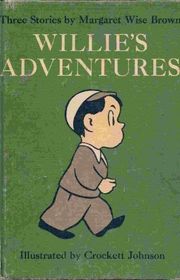
Willie's Adventures
by Margaret Wise Brown
1954
Willie’s everyday discoveries unfold through three adventures: receiving a special package, learning what pockets can hold, and walking to his grandmother’s country home. The stories follow a young child’s curiosity as familiar objects and journeys become occasions for exploration.
Little Brass Band
by Margaret Wise Brown
1955
Musicians gather along a trail and travel into town to play for the people there. Their shared performance brings different instruments together, while their arrival and eventual departures give children a simple story about music and community.
Young Kangaroo
by Margaret Wise Brown
1955
A young kangaroo grows inside his mother's pouch, gradually noticing Australia's sights, sounds, and smells. His first steps outside bring excitement and fear as he begins learning how to face the wider world beyond that safe shelter.
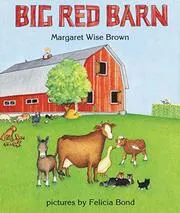
Big Red Barn
by Margaret Wise Brown
1956
Farm animals spend the day playing around a big red barn before settling down as darkness arrives. Rhythmic words follow pigs, horses, goats, and other creatures, turning the daily cycle of activity and rest into a bedtime story.
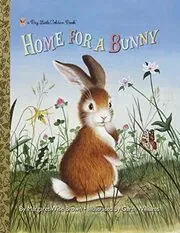
Home for a Bunny
by Margaret Wise Brown
1956
A bunny sets out in spring to find a home of his own. His search invites children to explore the natural world with him and consider what makes a place suitable for someone who needs shelter.
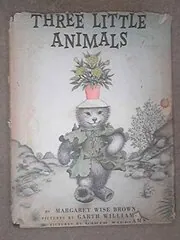
Three Little Animals
by Margaret Wise Brown
1956
Three forest animals dress up and separately venture into the city, curious about human life. Their disguises keep them from recognizing one another, turning an outing beyond home into an exploration of identity and where they belong.
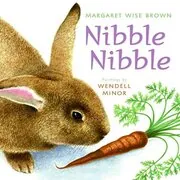
Nibble Nibble
by Margaret Wise Brown
1959
Poems about rabbits and the natural world move between playful activity and quiet affection. Nibbling, hopping, and small animal encounters give young listeners rhythms to enjoy while encouraging them to notice the life moving around them.

The Diggers
by Margaret Wise Brown
1960
Digging begins with small animals and grows into the work of people and powerful machinery. A steam shovel travels from city to countryside and through a mountain, transforming the landscape as it helps build a railroad.
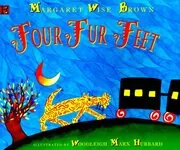
Four Fur Feet
by Margaret Wise Brown
1961
A furry creature travels around the world on four quiet feet, following a journey told in rhythmic, repeating verse. The playful words and pictures keep attention on its movement, inviting children to join the refrain as it walks.
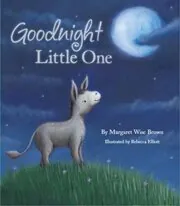
Goodnight Little One
by Margaret Wise Brown
1961
As nighttime settles in, animals and a small child prepare to close their eyes. Rhyming verses say goodnight to donkeys, monkeys, sheep, pigs, birds and cats, moving gently toward the child tucked safely into bed.
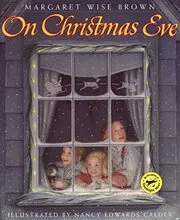
On Christmas Eve
by Margaret Wise Brown
1961
Three children lie awake on Christmas Eve, listening in a quiet house and imagining the night's wonders. Unable to wait any longer, they creep downstairs to admire the tree and make a wish before Christmas morning arrives.
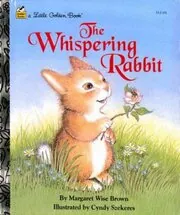
The Whispering Rabbit
by Margaret Wise Brown
1965
A little rabbit yawns, and a bee flies into his throat, leaving him with a puzzling problem. He tries to persuade the bee to come out, discovering why he must whisper in this gentle animal bedtime story.

Little Indian
by Margaret Wise Brown
1968
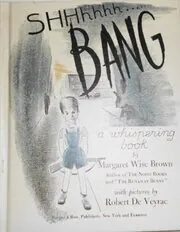
Shhhhhh Bang
by Margaret Wise Brown
1969
Everyone in Skyscraper Town has whispered for so long that ordinary noise seems forgotten. When a little boy arrives, his presence challenges the town's quiet habits and reminds its residents of the pleasure that sounds can bring.
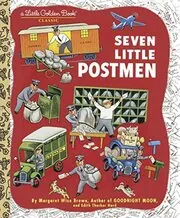
Seven Little Postmen
by Margaret Wise Brown
1971
A boy posts a letter to his grandmother, beginning a journey through the mail system. Seven postmen help carry it toward her house, showing young readers the people and work involved after a letter enters a mailbox.
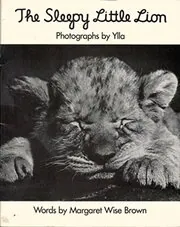
The Sleepy Little Lion
by Margaret Wise Brown
1975
A sleepy lion cub leaves his zoo home to discover the world, promising to return by evening. Encounters with dogs, cats, rabbits and children alternate with frequent naps as curiosity and tiredness shape his day outside.
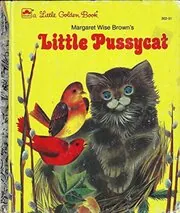
Little Pussycat
by Margaret Wise Brown
1979
A small kitten named Pussy Willow enjoys a spring world filled with pussy willows. When they disappear, he goes searching through gardens, trees and the seaside, asking other creatures where they have gone as the seasons change.
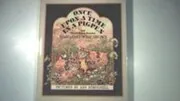
Once Upon a Time in a Pigpen
by Margaret Wise Brown
1980
Four short animal stories bring together the title tale, A Remarkable Rabbit, Quiet in the Wilderness and The Gentle Tiger. Illustrated by Ann Strugnell, the collection gathers previously unpublished writing by Margaret Wise Brown for young readers.
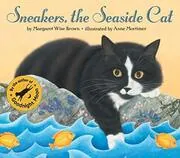
Sneakers, the Seaside Cat
by Margaret Wise Brown
1985
Sneakers visits the seaside for the first time and explores the strange objects and creatures along the shore. A crab, shrimp and a shell carrying the ocean's sound offer discoveries for the curious cat's paws and ears.
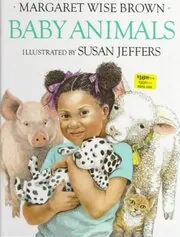
Baby Animals
by Margaret Wise Brown
1989
A farm girl begins her day alongside the young animals around her, helping her parents care for lambs, puppies and kittens. Meals, daily activity and bedtime connect the child's routine with the needs of the animals.
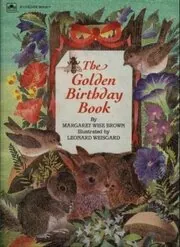
The Golden Birthday Book
by Margaret Wise Brown
1989
Five little forest animals celebrate their first birthdays with presents from their mothers. Gifts of food and comfort suit each creature's needs, while repeated sounds and playful language turn their celebrations into a gentle story of family affection.
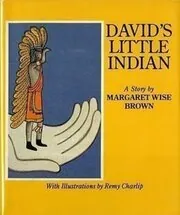
David's Little Indian
by Margaret Wise Brown
1992
Deep in the woods, David meets a tiny companion no larger than an ear of corn. Their friendship opens a world of daily discoveries, as the boy and his new friend find something special to share in each day.
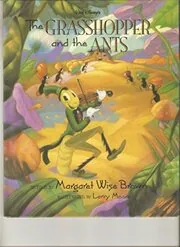
The Grasshopper and the Ants
by Margaret Wise Brown
1993
While the ants spend summer gathering food, a grasshopper prefers music and dancing to work. Brown's retelling of Aesop's fable follows their different choices as the seasons change and winter makes preparation, generosity and companionship newly important.
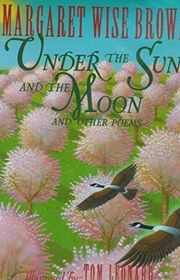
Under the Sun and the Moon
by Margaret Wise Brown
1993
Nineteen previously unpublished poems explore the natural world through subjects such as apple blossoms, autumn leaves, rabbits, and raccoons. Brown’s verses invite children to notice seasonal changes and the animals around them through playful language and illustrated scenes.
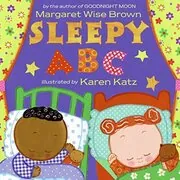
Sleepy ABC
by Margaret Wise Brown
1994
An alphabet of bedtime rhymes follows children and animals as the world grows sleepy. From a yawning kitten to lambs closing their eyes, each letter contributes another quiet moment in the preparations for sleep and a goodnight kiss.
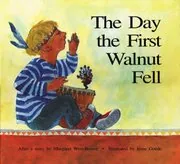
The Day the First Walnut Fell
by Margaret Wise Brown
1994
Standalone Margaret Wise Brown books







Edited by
Software engineer whose passion for tracking book recommendations from podcasts inspired the creation of MRB.
Lead investor at 3one4 Capital whose startup expertise and love for books helped shape MRB and its growth.
Comments
Did we miss something? Have feedback?
Help us improve this page by sharing your thoughts