
Margaret Drabble Books in Order
Explore Margaret Drabble books in order, with quick summaries, series background, The Radiant Way trilogy, and simple guidance on where to start.
Last updated:
As an Amazon Associate, we earn from qualifying purchases (at no extra cost to you).
Margaret Drabble books in publication order
36 books
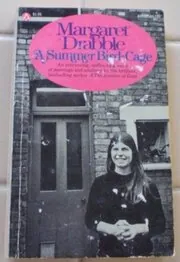
Summer Bird Cage
by Margaret Drabble
1963
Recent graduate Sarah returns from Paris for her sister Louise's grand wedding and finds herself pulled into a tense web of class, desire, and rivalry. It is a smart, funny debut about choosing a life before you quite know yourself.
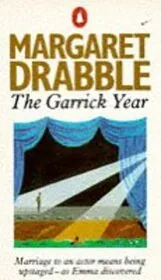
The Garrick Year
by Margaret Drabble
1964
Emma follows her actor husband to a provincial theatre town, hoping for a fresh start with their young family. Instead, the year exposes the strain in her marriage and her hunger for a life that feels more fully her own.
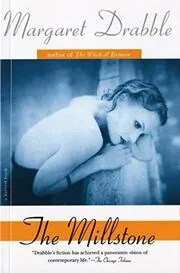
The Millstone
by Margaret Drabble
1965
Rosamund Stacey, a scholarly and inward young woman in 1960s London, finds herself unexpectedly pregnant after a single encounter. Raising her daughter alone forces her into a tougher, deeper version of herself.
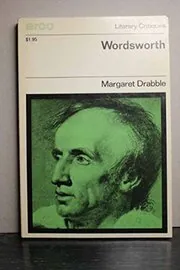
Wordsworth
by Margaret Drabble
1966
Drabble offers a compact introduction to William Wordsworth's life, ideas, and major poems. It is part biography, part critical guide, and especially alert to the landscapes that shaped his imagination.
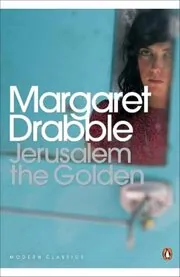
Jerusalem the Golden
by Margaret Drabble
1967
Clara Maugham leaves Yorkshire for university and is dazzled by a more glamorous London world. Her climb toward freedom and self-invention is exhilarating, but it also brings hard truths about class, family, and belonging.
The Waterfall
by Margaret Drabble
1969
Jane Gray, abandoned while pregnant and overwhelmed by motherhood, retreats into a life of isolation and fantasy. Then a consuming affair unsettles everything, in a novel that is intimate, risky, and formally adventurous.
The Needle's Eye
by Margaret Drabble
1972
Rose Vassiliou, rich, married, and spiritually restless, tries to strip her life back to something honest. Her bond with struggling Simon Camish turns questions of money, goodness, and freedom into a deeply human drama.
Arnold Bennett
by Margaret Drabble
1974
This biography traces Arnold Bennett from his Five Towns roots to literary fame, with close attention to both the man and the books. Drabble writes about him as a working novelist, not a museum figure.
The Realms Of Gold
by Margaret Drabble
1975
Anthropologist Frances Wingate looks back over love, work, parents, children, and the buried stories that shape a life. It is a midlife novel full of memory, excavation, and the strange pull of the past.
The Genius of Thomas Hardy
by Margaret Drabble
1976
A critical volume on Thomas Hardy, bringing together essays, illustrations, and reference material on his fiction and poetry. It is a useful entry point to Hardy's world, themes, and reputation.
The Ice Age
by Margaret Drabble
1977
Former BBC producer Anthony Keating rides the boom and bust of property, money, and reputation in a colder 1970s Britain. The novel widens Drabble's focus from private life to national unease and social fracture.
For Queen and Country
by Margaret Drabble
1978
Drabble surveys Victorian Britain through its politics, empire, industry, and daily life. It is a brisk historical overview of how the age looked, worked, and imagined itself.
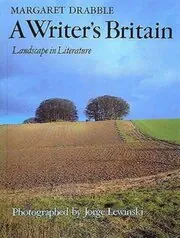
A Writer's Britain
by Margaret Drabble
1979
This literary tour of Britain pairs places and landscapes with the writers who made them vivid on the page. Drabble shows how countryside, towns, and regions live on through English literature.
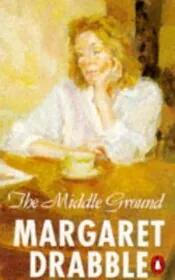
The Middle Ground
by Margaret Drabble
1980
Journalist Kate Armstrong moves through friendship, grief, work, and family strain while London itself feels worn and unsettled. Drabble makes midlife look busy, vulnerable, and full of quiet reckoning.
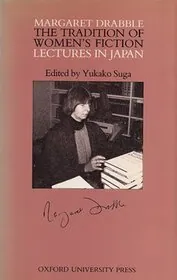
Tradition of Womens Fiction
by Margaret Drabble
1982
Based on lectures, this book traces a line of women's fiction from Jane Austen to Doris Lessing. Drabble mixes literary history with a novelist's practical sense of how women writers inherit and revise one another.

The Oxford Companion to English Literature
by Margaret Drabble
1985
A large reference guide to authors, books, genres, movements, and literary history across English literature. Under Drabble's editorship, it became a standard one-volume place to look things up and keep reading.

The Concise Oxford Companion to English Literature
by Margaret Drabble
1987
This shorter companion keeps the same broad literary coverage in a more portable format. It is designed for quick reference on writers, works, and key terms across English literature.
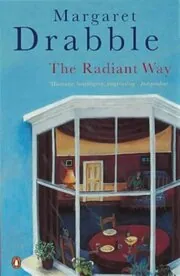
The Radiant Way
by Margaret Drabble
1987
Three Cambridge friends, Liz, Alix, and Esther, try to make sense of work, marriage, family, and ambition in 1980s Britain. Drabble turns their private crises into a sharp, unsettling picture of a changing country.
Case For Equality
by Margaret Drabble
1988
A brief pamphlet based on a public speech, arguing for a fairer and more equal society. Drabble writes plainly and polemically about the social and economic gaps she wanted Britain to face.
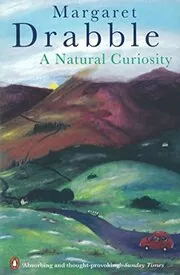
A Natural Curiosity
by Margaret Drabble
1989
The women from The Radiant Way return older, wearier, and more curious about the violence beneath ordinary life. Alix's prison visits to a murderer give this sequel a darker edge without losing its social bite.
Safe As Houses
by Margaret Drabble
1990
Drabble examines home ownership, mortgage tax relief, and the politics of housing in Britain. It is a short, pointed critique of policy, privilege, and the costs of treating property as a social ideal.
Margaret Drabble In Tokyo
by Margaret Drabble
1991
This slim volume collects Drabble's Tokyo lectures on English and American writers from her 1990 visit to Japan. It offers criticism in a direct, talkative mode, with a prefatory note from Drabble herself.
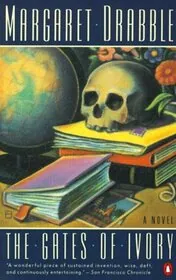
The Gates of Ivory
by Margaret Drabble
1991
Liz Headleand receives a baffling parcel linked to missing novelist Stephen Cox and starts piecing together his last journey through Southeast Asia. The novel blends friendship, political horror, and a mystery that keeps widening.
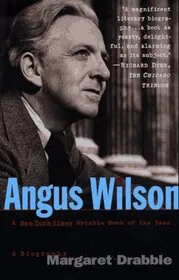
Angus Wilson
by Margaret Drabble
1997
Drabble's biography of Angus Wilson follows his life, work, and place in postwar British literature. It is both a portrait of one novelist and a record of the literary world around him.
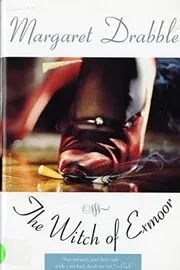
The Witch of Exmoor
by Margaret Drabble
1997
Eccentric writer Frieda Palmer withdraws to Exmoor and leaves her polished, successful children nervously circling her absence. The result is a sly family satire that doubles as a portrait of post-Thatcher Britain.
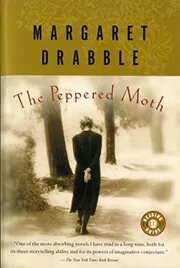
The Peppered Moth
by Margaret Drabble
2001
From South Yorkshire mining streets to modern science lectures, four generations of women carry the weight of family history. Drabble links heredity, class, and stubborn survival in a novel that feels both intimate and wide-ranging.
The Seven Sisters
by Margaret Drabble
2002
After betrayal and divorce, Candida Wilton lands in a shabby London flat and starts recording her unsettled new life. What follows is a wry, searching portrait of middle age, loneliness, and unexpected renewal.
The Red Queen
by Margaret Drabble
2004
In Seoul, academic Babs Halliwell reads the memoirs of a nineteenth-century Korean crown princess and falls under their spell. Past and present start to echo one another in this strange, intelligent historical novel.
The Sea Lady
by Margaret Drabble
2006
Aging feminist Ailsa Kelman and marine biologist Humphrey Clark head back toward the North Sea town where they first met as children. Their reunion turns into a thoughtful novel about memory, love, and later life.
The Pattern in the Carpet
by Margaret Drabble
2009
Part memoir and part cultural history, this book uses jigsaw puzzles to think about memory, melancholy, family, and the urge to make fragments fit. It is one of Drabble's most personal nonfiction books.

A Day in the Life of a Smiling Woman
by Margaret Drabble
2011
This collected volume gathers Drabble's short stories across several decades. The pieces return again and again to women, marriage, work, disappointment, and the private thoughts hidden behind ordinary days.

The Gifts of War
by Margaret Drabble
2011
A short story about students trying to stop a shop from selling war toys becomes a sharp look at conscience, protest, and youthful idealism. Small actions carry larger political feeling here.
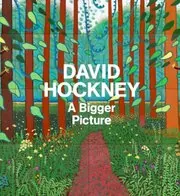
David Hockney
by Margaret Drabble
2012
An illustrated book on David Hockney's large-scale landscape work, especially his Yorkshire paintings. Drabble contributes to a wider look at place, memory, and the artist's way of seeing.
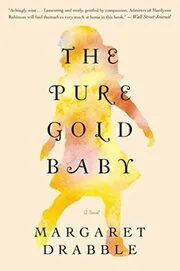
The Pure Gold Baby
by Margaret Drabble
2013
An anthropologist in 1960s London becomes an unexpected single mother and reshapes her whole future around her daughter. Drabble follows the years of care, compromise, friendship, and fierce love that follow.
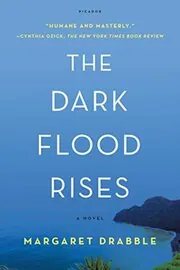
The Dark Flood Rises
by Margaret Drabble
2016
Francesca Stubbs keeps driving around England, visiting family, friends, and bits of unfinished life while old age closes in. The novel is funny, sad, and unexpectedly companionable about mortality and how people keep going.

The Plays of Margaret Drabble
by Margaret Drabble
2018
This critical edition gathers Drabble's two stage plays and places them alongside her fiction and the British theatre world of the 1950s and 1960s. It is useful for readers curious about her lesser-known dramatic work.
Where to start with Margaret Drabble
If you want the clearest entry point: The Millstone → Jerusalem the Golden → The Waterfall
If you want her big social canvas: The Radiant Way → A Natural Curiosity → The Gates of Ivory
If you want later, wider-ranging novels: The Peppered Moth → The Red Queen → The Dark Flood Rises
Margaret Drabble sub-series and character series
Margaret Drabble collections, short stories, and related book types
Collections
Non-Fiction
Standalone Margaret Drabble books
Author bio
Margaret Drabble was born in Sheffield on June 5, 1939, and grew up in a Yorkshire family where books, argument, and ambition were part of everyday life. Her father was a lawyer who later became a judge, and he also wrote novels. Her mother was a teacher. Drabble went to the Mount School in York, then won a scholarship to Newnham College, Cambridge, where she studied English and graduated with a starred first.
For a while, writing was not the obvious first job. After Cambridge she acted with the Royal Shakespeare Company at Stratford-upon-Avon, working as an understudy to Vanessa Redgrave and Diana Rigg. The stage taught her about timing, voice, and performance, but she eventually left acting and turned to fiction.
Acting was an early detour.
Her debut, A Summer Bird-Cage, appeared in 1963, and it already had much of what readers now expect from Drabble: bright young women, social comedy, money worries, and the uneasy business of choosing a life. The Millstone followed in 1965 and became one of her best-known novels, a sharp, moving story about single motherhood in 1960s London. Then came Jerusalem the Golden and The Waterfall, books that showed how interested she was in ambition, desire, sisterhood, marriage, and the gap between the life a woman imagines and the one she actually has.
She never stayed only with the young.
As her career went on, the novels widened. The Needle's Eye, The Ice Age, and The Middle Ground still care deeply about personal life, but they also look hard at money, class, politics, urban unease, and the state of Britain itself. Drabble has a habit of letting thought and feeling share the page. Her characters think about housing, education, history, work, and public life, but they are also dealing with lovers, children, aging parents, and private disappointment.
That broader reach is especially clear in the trilogy made up of The Radiant Way, A Natural Curiosity, and The Gates of Ivory. Those books follow three women who met at Cambridge and carry their friendship into middle age, against the changing backdrop of late twentieth-century Britain. Later novels such as The Peppered Moth, The Red Queen, and The Dark Flood Rises kept pushing outward, toward family history, international settings, old age, memory, and the way a whole society can be seen through one person's daily life.
Drabble has also done a great deal outside the novel. She wrote books on William Wordsworth and Arnold Bennett, produced a biography of Angus Wilson, edited The Oxford Companion to English Literature, and worked on essays, screenplays, stories, and criticism. The range matters. It helps explain why her fiction so often feels stocked with real reading, real places, and real public debate. Her awards include the John Llewellyn Rhys Prize for The Millstone, the James Tait Black Memorial Prize for Jerusalem the Golden, the E. M. Forster Award, and the Golden PEN Award in 2011.
Her work is often grouped with the great postwar English social novel, but that label can sound stiffer than the books feel. What keeps people reading Drabble is her mix of intelligence and candor. She writes women who are funny, prickly, self-aware, and not always easy, which is part of the point.
Drabble later married the writer and biographer Michael Holroyd, and they have been associated with homes in London and Somerset. Even in her later work, there is still something Yorkshire about the steadiness of her gaze. She notices class, weather, money, houses, roads, and the awkward things people do in families. She keeps looking until the scene gives up something true.




Edited by
Software engineer whose passion for tracking book recommendations from podcasts inspired the creation of MRB.
Lead investor at 3one4 Capital whose startup expertise and love for books helped shape MRB and its growth.
Comments
Did we miss something? Have feedback?
Help us improve this page by sharing your thoughts