
Margaret Truman Books in Order
Explore Margaret Truman books in order, with quick summaries of the Capital Crimes novels, her nonfiction, series background, and where to start next.
Last updated:
As an Amazon Associate, we earn from qualifying purchases (at no extra cost to you).
Margaret Truman books in publication order
34 books
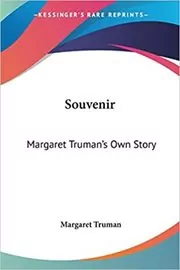
Souvenir
by Margaret Truman
1954
Margaret Truman looks back on growing up in Missouri and Washington, then suddenly living in the White House. It is a personal memoir about family, politics, fame, and the strange business of becoming public before adulthood is over.
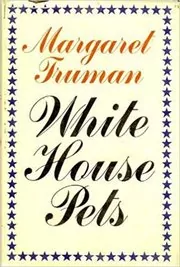
White House Pets
by Margaret Truman
1969
This nonfiction book tours the menagerie of Pennsylvania Avenue, from beloved dogs and horses to stranger presidential companions. Truman mixes historical anecdotes with a daughter's-eye sense of how pets soften public life inside the White House.
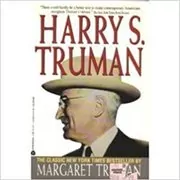
Harry S. Truman
by Margaret Truman
1973
Writing as both biographer and daughter, Truman traces Harry Truman from Missouri farm life and World War I to the Senate and the presidency. The book balances intimate family detail with the weight of decisions made in office.

Women of Courage
by Margaret Truman
1976
Truman profiles American women whose lives were shaped by grit, public duty, and difficult choices. It is a readable group portrait of women who kept going when convention, danger, or history pushed back.
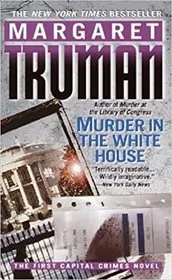
Murder in the White House
by Margaret Truman
1980
Secretary of State Lansard Blaine is found strangled inside the White House, and counsel Ron Fairbanks is told to find out why. The deeper he digs, the more the case threatens the presidency and the people closest to it.
Letters from Father
by Margaret Truman
1981
Edited by Margaret Truman, this collection gathers Harry Truman's letters to his daughter and family across decades of public life. The result is warm, funny, and revealing, with politics never far from the dinner table.
Murder on Capitol Hill
by Margaret Truman
1981
When Senator Cale Caldwell is murdered at a glittering Capitol Hill reception, attorney Lydia James suspects the crime is tied to an earlier family tragedy. Washington power, money, and old secrets make every answer dangerous.
Murder in the Supreme Court
by Margaret Truman
1982
A killing linked to the Supreme Court shatters one of Washington's most guarded institutions. With almost everyone around the victim nursing a grievance, the case turns into a tense search through privilege, ambition, and legal power.
Murder in the Smithsonian
by Margaret Truman
1983
Historian Lewis Tunney is murdered before hundreds of guests at a Smithsonian gala, and Captain Mac Hanrahan takes the case. As Tunney's fiancee asks questions of her own, an art scandal and more deaths widen the danger.
Murder on Embassy Row
by Margaret Truman
1984
When British ambassador Geoffrey James dies during his own party, suspicion falls on a missing valet. Two Washington investigators soon find a nastier mix of diplomacy, espionage, and personal corruption behind the polished facade.
Murder at the FBI
by Margaret Truman
1985
A murder inside FBI headquarters opens a case steeped in bureau secrecy and Washington turf wars. Truman uses the Bureau's guarded world to build a mystery where official loyalty and personal ambition are hard to separate.
Bess W. Truman
by Margaret Truman
1986
Margaret Truman's portrait of her mother shows a private Missouri woman who never entirely made peace with public life. Drawing on family letters and memory, the book follows Bess Truman from girlhood through years in the White House.
Murder in Georgetown
by Margaret Truman
1986
Valerie Frolich, a senator's daughter and rising reporter, turns up dead in the C&O Canal. Reporter Joe Potamos follows the story into a maze of bribery, kidnapping, and espionage that reaches well beyond Georgetown society.
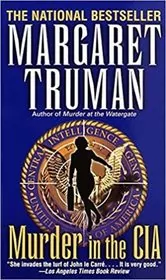
Murder in the CIA
by Margaret Truman
1987
When literary agent Barrie Mayer dies at Heathrow, officials call it natural causes, but her CIA friend Collette Cahill knows better. The missing briefcase Barrie was carrying leads straight into espionage and Cold War deception.
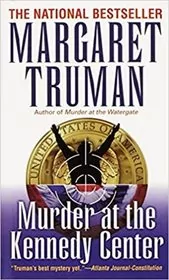
Murder at the Kennedy Center
by Margaret Truman
1989
A young woman is brutally killed during a gala for Senator Kenneth Ewald, and the evidence points toward the candidate's own family. Law professor Mac Smith steps in as politics, religion, and scandal collide under Washington's brightest lights.
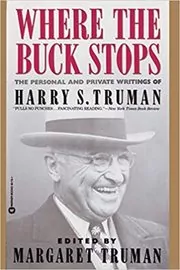
Where the Buck Stops
by Margaret Truman
1989
Margaret Truman gathers the letters, notes, and private reflections of Harry Truman to show the man behind the famous motto. It is a direct, revealing volume full of plainspoken opinions, hard choices, and flashes of humor.
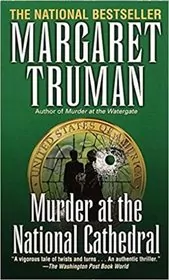
Murder at the National Cathedral
by Margaret Truman
1990
Mac Smith and Annabel Reed barely finish their wedding before murder drags them into a new case. What begins at Washington National Cathedral soon stretches to England, where secrets and violence shadow their honeymoon.
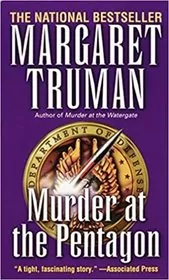
Murder at the Pentagon
by Margaret Truman
1992
Major Margit Falk is drawn into a Pentagon investigation after a doctor is murdered and an antimissile project starts to unravel. The case mixes military secrecy, political pressure, and a threat that could turn catastrophic.
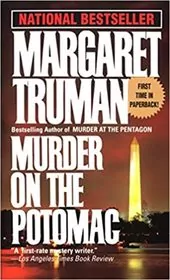
Murder on the Potomac
by Margaret Truman
1994
Mac Smith discovers a body in the Potomac and cannot let the mystery go. His search pulls him and Annabel toward a wealthy Washington circle and a theatrical group obsessed with reenacting famous murders.
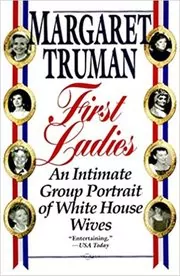
First Ladies
by Margaret Truman
1995
Truman surveys the women who occupied the White House and shows how the role changed from hostess to public force. It is part group biography, part history of power lived just off the president's shoulder.
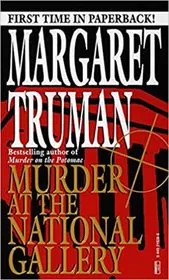
Murder at the National Gallery
by Margaret Truman
1996
A Caravaggio exhibition and a risky forgery scheme set the stage for blackmail and murder at the National Gallery. Annabel Reed-Smith and Mac Smith follow the case from Washington into the murky international art world.
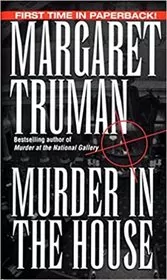
Murder in the House
by Margaret Truman
1997
A respected congressman's rise toward higher office is wrecked by scandal, then by an apparent suicide that may actually be murder. The case exposes how quickly rumor, sex, and power can destroy a Washington career.
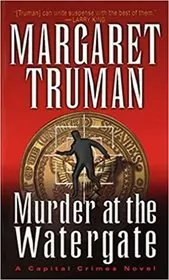
Murder at the Watergate
by Margaret Truman
1998
At the Watergate, political ambition, rich donors, and private appetites overlap in all the worst ways. Mac and Annabel are pulled into a case where campaign money and old loyalties make the body count climb.
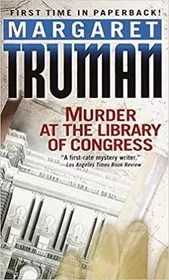
Murder at the Library of Congress
by Margaret Truman
1999
When a noted scholar is bludgeoned inside the Library of Congress, Annabel Reed-Smith finds herself in the middle of the case. Missing art, a vanished researcher, and a mysterious Columbus diary deepen the intrigue.
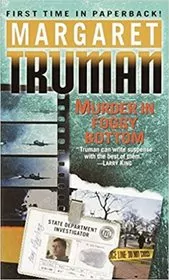
Murder in Foggy Bottom
by Margaret Truman
2000
A stabbing in Foggy Bottom seems small until passenger planes start falling from the sky. Truman turns a neighborhood murder into a larger story about terrorism, intelligence, and the secrets buried in Washington.
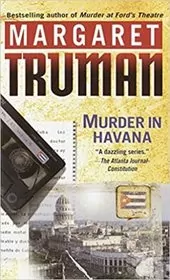
Murder in Havana
by Margaret Truman
2001
Ex-CIA and ex-State Department man Max Pauling agrees to fly medical supplies into Havana and lands in something far murkier. Murder, embargo politics, and divided loyalties make Cuba every bit as dangerous as Washington.
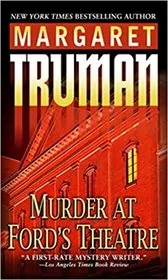
Murder at Ford's Theatre
by Margaret Truman
2002
When Nadia Zarinski is found dead behind Ford's Theatre, two mismatched detectives step into a mess of sex, politics, and performance. Senators, actors, and arts officials all have reasons to want the truth managed.
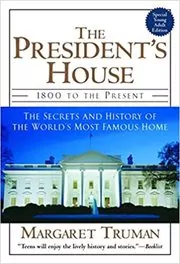
The President's House
by Margaret Truman
2003
This nonfiction history explores the White House as both family home and national symbol. Truman mixes architecture, politics, and lively resident stories to show how the house changed, and what it asked of the people inside it.
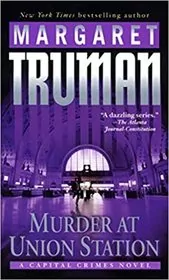
Murder at Union Station
by Margaret Truman
2004
Former mob hit man Louis Russo is shot as he arrives at Union Station, carrying a story powerful people would prefer buried. The investigation races from trains and back rooms to Congress and the West Wing.
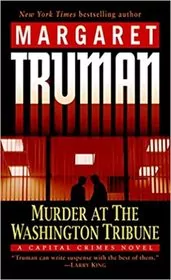
Murder at The Washington Tribune
by Margaret Truman
2005
A young journalist is strangled at the Washington Tribune, then a second media worker turns up dead. Veteran reporter Joe Wilcox chases the killer while fearing his own daughter may be next.
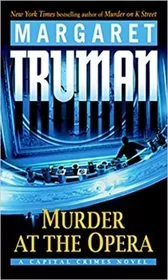
Murder at the Opera
by Margaret Truman
2006
An aspiring soprano is stabbed backstage before a Washington opera performance can even begin. Mac and Annabel move through egos, grudges, and larger political shadows to find who turned rehearsal into murder.
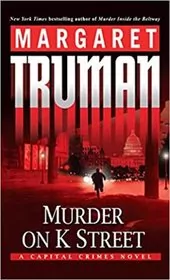
Murder on K Street
by Margaret Truman
2007
After Senator Lyle Simmons finds his wife bludgeoned to death, retired prosecutor Philip Rotondi is pulled back into Washington combat. Lobbyists, spin, and dirty money make the case as much about influence as homicide.
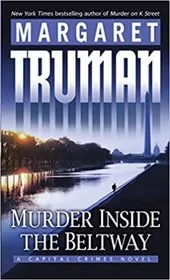
Murder Inside the Beltway
by Margaret Truman
2008
A murdered call girl, a hidden video camera, and a heated presidential race make a volatile mix. As detectives chase the killer, the case opens onto kidnapping, blackmail, and the polished rot of campaign season.
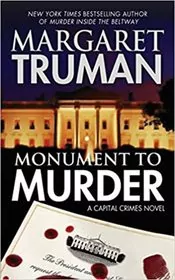
Monument to Murder
by Margaret Truman
2011
Savannah investigator Robert Brixton takes a cold case involving Louise Watkins, a woman killed after prison and long believed guilty of a crime she should not have owned. The trail leads from local power brokers to dangerous Washington secrets.
Where to start with Margaret Truman
If you want the classic Washington mysteries: Murder in the White House → Murder on Capitol Hill → Murder in the Supreme Court
If you want the Mac and Annabel books: Murder at the Kennedy Center → Murder at the National Cathedral → Murder on the Potomac
If you want the Truman family story: Souvenir → Harry S. Truman → Bess W. Truman
If you want White House history and insider nonfiction: Letters from Father → First Ladies → The President's House
Margaret Truman sub-series and character series
Margaret Truman collections, short stories, and related book types
Non-Fiction
Author bio
Margaret Truman was born Mary Margaret Truman on February 17, 1924, in Independence, Missouri. She was the only child of Harry S. Truman and Bess Wallace Truman, and she grew up between Missouri and Washington as her father's political life steadily grew.
That meant public life arrived early. When Harry Truman became president in April 1945, Margaret was a student at George Washington University, and the family suddenly moved into the White House at one of the most watched moments in American history.
She was famous before she was a novelist.
After graduating from George Washington University in 1946 with a history degree, she pursued music in earnest. She trained as a coloratura soprano, made her professional debut with the Detroit Symphony Orchestra in 1947, and sang at Carnegie Hall in 1949. The reviews could be rough, but she kept working, appeared on radio and television, and learned how to stay steady while the whole country seemed to have an opinion.
Those years mattered. They gave her a performer's timing, a broadcaster's ear, and a practical understanding of how public image is built, defended, and sometimes punctured. You can feel all of that later in her fiction, where so many characters are trying to manage what other people think of them.
In 1956 she married journalist Clifton Daniel. Before long she moved away from singing and toward journalism, broadcasting, and writing, and she spent many years raising their four sons while building a second career in New York.
Writing turned out to be the lasting one. Her first book, Souvenir, came out in 1956. After that she wrote steadily about the world she knew best, presidents, first families, White House customs, and the uneasy line between private feeling and public duty. In books like Harry S. Truman, Bess W. Truman, Letters from Father, First Ladies, and The President's House, readers found both family closeness and a clear sense of history.
Washington never really left her.
Then, in 1980, she made a sharp turn into fiction with Murder in the White House. That book launched the Capital Crimes novels, the long-running series most readers now know her for. She kept using Washington as her map, moving from the Supreme Court to the Smithsonian, from Georgetown to the Library of Congress. What people tend to like in those books is not fancy prose or oversized heroes. It is the setting, the pace, and her feel for institutions, the way power looks from hallways, offices, receptions, and back rooms.
She kept publishing well into her eighties. Margaret Truman died in Chicago on January 29, 2008, at the age of eighty-three. Her work still feels tied to a very specific kind of American story, one where family, politics, reputation, and history are always crowding the same room.





Edited by
Software engineer whose passion for tracking book recommendations from podcasts inspired the creation of MRB.
Lead investor at 3one4 Capital whose startup expertise and love for books helped shape MRB and its growth.
Comments
Did we miss something? Have feedback?
Help us improve this page by sharing your thoughts