
March Books in Order
Part ofJohn Lewis Books in OrderSee the March books in order by John Lewis, with short summaries, reading order help, series background, and where to start with this graphic memoir.
Last updated:
As an Amazon Associate, we earn from qualifying purchases (at no extra cost to you).
March books in publication order
3 books
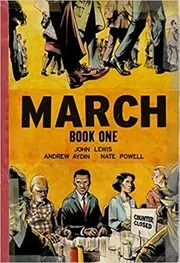
March: Book One
by John Lewis
2013
John Lewis looks back on his childhood in rural Alabama and his first steps into the civil rights movement. The book follows the Nashville sit-ins and shows how a young student became an organizer.
Recommended by
1 person Brad Feld recommended this book
Brad Feld
"A comic book trilogy that is the story of the Civil Right Movement through Congressman Lewis’ eyes." - Brad Feld
Brad Feld's recommendation of this book
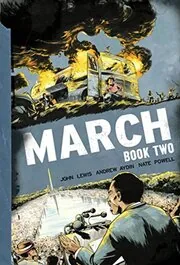
March: Book Two
by John Lewis
2015
The story widens as Lewis and fellow activists ride into the Deep South, facing beatings, jail, and deadly resistance. It tracks the Freedom Rides, SNCC's rise, and Lewis's path to the March on Washington.
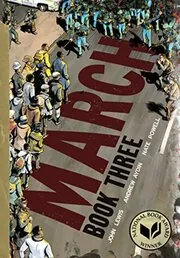
March: Book Three
by John Lewis
2016
The final volume follows Lewis through the most dangerous stretch of the movement, from Birmingham and Mississippi to Selma and the Voting Rights Act. It shows how courage, strategy, and sacrifice turned protest into lasting change.
March books in chronological order
Series background & context
March is a graphic memoir trilogy about John Lewis's early life and his years in the civil rights movement. Written with Andrew Aydin and drawn by Nate Powell, the series starts in rural Alabama and follows Lewis from student protests into the center of a national struggle. Even though Lewis is already a public figure when the story opens, the books are interested in how that happened, step by step, place by place, decision by decision.
It begins small.
The first volume spends time on childhood, faith, school, and the early pull of justice, then moves into the Nashville sit-ins. That matters, because the series does not treat history as a chain of famous speeches. It shows training sessions, arguments over tactics, fear before action, and the slow building of trust inside a movement. Lewis is the main guide, but the books are full of students, ministers, organizers, parents, and local citizens whose choices shape the larger story.
As the trilogy continues, the setting widens across the South and into Washington. Lunch counters, bus stations, churches, courtrooms, jail cells, meeting rooms, and city streets all become part of the story. The geography matters. Nashville shows how disciplined organizing could work. Alabama shows how vicious resistance could be. Washington shows how local struggle could turn into national pressure. The books keep returning to the gap between the country's ideals and the lived reality of segregation.
The stakes rise fast. What starts as student activism grows into the Freedom Rides, the rise of SNCC, the March on Washington, Mississippi voter registration work, Selma, and the fight that led to the Voting Rights Act. Across all three volumes, the ongoing tension is not just whether the movement can win, but how people keep going when victory is partial, danger is constant, and every step forward brings a new backlash.
The tone is urgent but very readable. Powell's black-and-white art gives crowds, beatings, quiet conversations, and long bus rides real force, while Lewis and Aydin keep the history clear without oversimplifying it. This makes March work on two levels at once. It is a personal coming-of-age story about Lewis becoming an organizer and leader, and it is also a broader movement history about how ordinary people forced the country to confront segregation.
If you're wondering what to expect from the series, think memoir, history, and civic education woven together. The books are best read in order, because each one picks up the pressure from the last and enlarges the frame. By the end, March is not just about one man remembering the past. It is about how movements are built, how nonviolence is practiced, and why voting rights and public action remain living issues rather than settled chapters.











Edited by
Software engineer whose passion for tracking book recommendations from podcasts inspired the creation of MRB.
Lead investor at 3one4 Capital whose startup expertise and love for books helped shape MRB and its growth.
Comments
Did we miss something? Have feedback?
Help us improve this page by sharing your thoughts