
Luis Alberto Urrea Books in Order
Explore Luis Alberto Urrea books in order, with concise summaries, series guides, background, and helpful suggestions for where to begin reading.
Last updated:
As an Amazon Associate, we earn from qualifying purchases (at no extra cost to you).
Luis Alberto Urrea books in publication order
21 books
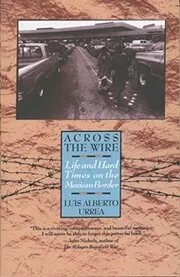
Across the Wire
by Luis Alberto Urrea
1993
Drawing on his work with relief crews in Tijuana, Urrea portrays refugees and migrants living in severe poverty near the U.S. border. This firsthand nonfiction account follows the pressures that make crossing north seem like the only option.
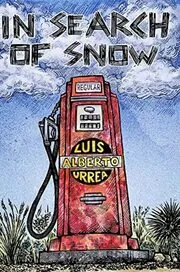
In Search of Snow
by Luis Alberto Urrea
1994
In late-1950s Arizona, teenage Mike McGurk pumps gas at a lonely road stop and dreams of love, escape, and snow. Surrounded by oddball friends and a hard-to-love father, he stumbles toward adulthood with humor and bruises.
The Fever of Being
by Luis Alberto Urrea
1994
This bilingual poetry collection moves from comic to tragic as Urrea writes about life in Hispanic-Anglo border culture. The poems explore family, language, identity, grief, and the daily collisions of two worlds.
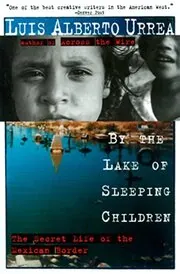
By the Lake of Sleeping Children
by Luis Alberto Urrea
1996
Through sixteen first-person portraits, Urrea returns to the Mexican borderlands to meet garbage pickers, relief workers, tourists, smugglers, and migrants. The result is an intimate account of people living between two countries and overlooked by both.
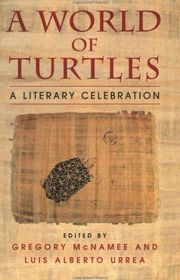
A World of Turtles: A Literary Celebration
by Luis Alberto Urrea
1997
Co-edited by Urrea and Gregory McNamee, this anthology gathers forty literary encounters with turtles from many cultures and periods. It is a compact celebration of the animal's place in story, myth, and human imagination.
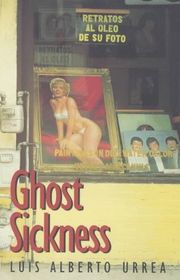
Ghost Sickness
by Luis Alberto Urrea
1997
A poetry collection shaped by memory, family, loss, and the borderlands. Urrea's poems return to his father's death and to the ghosts that linger in places, language, and the body.
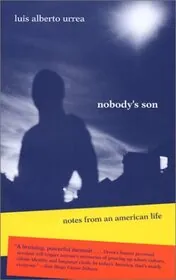
Nobody's Son
by Luis Alberto Urrea
1998
Urrea's memoir traces his childhood between Tijuana and San Diego, where family conflict, illness, racism, and questions of identity shaped him. It is a hard, funny, and deeply personal story about trying to belong.
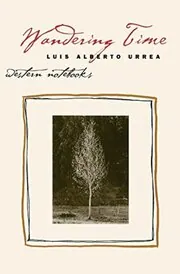
Wandering Time
by Luis Alberto Urrea
1999
After a failed marriage, Urrea drives west with his cat and records a year of landscapes, animals, strangers, music, and memory. These notebooks turn a restless road trip into a quiet search for healing and direction.
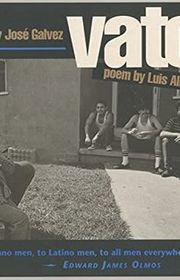
Vatos
by Luis Alberto Urrea
2000
Urrea's poem, paired with José Galvez's photographs, honors Chicano and Latino men as sons, fathers, brothers, workers, and friends. It gives visibility to people too often reduced to stereotypes or left out altogether.
Six Kinds of Sky
by Luis Alberto Urrea
2002
Six stories follow Hispanic and Native American characters from Mexico City and Tijuana to the Sioux Nation in South Dakota. Grief, poverty, love, and displacement shape lives lived under very different skies.
The Devil's Highway
by Luis Alberto Urrea
2004
Urrea reconstructs the 2001 journey of twenty-six Mexican men who attempted to cross southern Arizona's deadly desert. By following migrants, smugglers, and Border Patrol agents, he shows how hope, betrayal, and brutal conditions led to disaster.
The Hummingbird's Daughter
by Luis Alberto Urrea
2005
In nineteenth-century Mexico, Teresita Urrea discovers a gift for healing that draws pilgrims to her father's ranch. As unrest spreads, the young woman known as the Saint of Cabora must face the danger of becoming a symbol.

Amapola
by Luis Alberto Urrea
2009
This anthology gathers dark stories set in Phoenix, using neighborhood detail, local tension, and bad choices to build a strong sense of place.
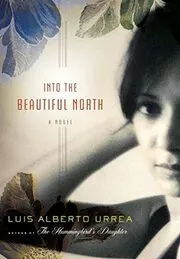
Into the Beautiful North
by Luis Alberto Urrea
2009
When the men of Nayeli's Sinaloan village leave for the United States, she heads north to recruit seven replacements before bandits take over. Her funny, determined road trip becomes a search for her father, home, and courage.
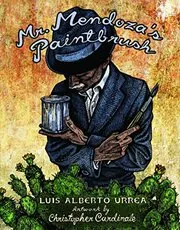
Mr. Mendoza's Paintbrush
by Luis Alberto Urrea
2009
This illustrated graphic novel follows boys growing up in flood-prone Rosario, Mexico, where strange events are part of ordinary life. Mr. Mendoza, the town's paintbrush-wielding conscience, has a memorable way of punishing bad behavior.
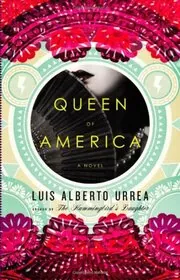
Queen of America
by Luis Alberto Urrea
2011
Exiled after rebellion in Mexico, healer Teresita Urrea travels through turn-of-the-century America with her father. Pilgrims, assassins, and opportunists follow as she tries to choose a future that belongs to her.
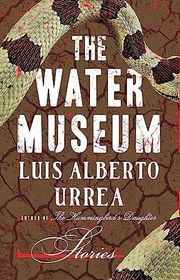
The Water Museum
by Luis Alberto Urrea
2015
Thirteen stories explore the lines between nations, families, and private selves. From the Edgar-winning "Amapola" to tales of loss and longing, Urrea brings sharp place detail and compassion to people living at the margins.
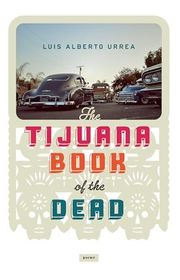
Tijuana Book of the Dead
by Luis Alberto Urrea
2015
These poems move through Tijuana, Los Angeles, the Mojave Desert, and the border fence, blending English and Spanish. Urrea writes about migration, violence, ordinary labor, and people whose humanity survives political slogans.
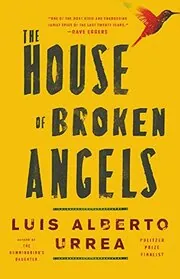
The House of Broken Angels
by Luis Alberto Urrea
2018
As Big Angel de la Cruz prepares for his final birthday party, his sprawling Mexican American family gathers in San Diego after a death in the family. Over one crowded weekend, love, grief, old stories, and long-held resentments spill out.
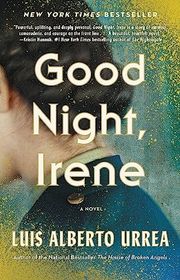
Good Night, Irene
by Luis Alberto Urrea
2023
In 1943, Irene Woodward leaves an abusive fiancé to join the Red Cross in Europe. Alongside her quick-witted friend Dorothy, she drives a Clubmobile near the front lines, where friendship, danger, and a chance at love test what survival means.
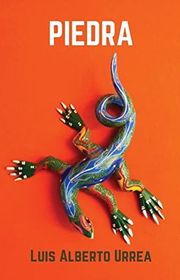
Piedra
by Luis Alberto Urrea
2023
This collection of new poems brings together celebration and mourning, with English, Spanish, and borderland speech. Urrea looks toward family, place, language, the natural world, and the durable things that remain.
Where to start with Luis Alberto Urrea
For historical fiction: The Hummingbird's Daughter → Queen of America
For border nonfiction: Across the Wire → By the Lake of Sleeping Children → Nobody's Son
For a deeply reported true story: The Devil's Highway
For contemporary family drama: The House of Broken Angels → Good Night, Irene
Luis Alberto Urrea sub-series and character series
Border Trilogy (Luis Alberto Urrea) books in order
Explore this seriesBorder Trilogy (Luis Alberto Urrea) books in chronological order
The Hummingbird's Daughter books in order
Explore this seriesThe Hummingbird's Daughter books in chronological order
Luis Alberto Urrea collections, short stories, and related book types
Short Story Collections
Non-Fiction
Short Stories/Novellas
Standalone Luis Alberto Urrea books
Author bio
Luis Alberto Urrea was born in Tijuana, Mexico, in 1955, to a Mexican father and an American mother. His family moved to San Diego when he was three, and he grew up moving between languages, neighborhoods, and ways of seeing the border.
That border is central to his work, but he has often pushed back on the idea that it is only a dividing line. His books return to the people living in its shadow, people crossing it, and people building lives on both sides of it.
Urrea earned a writing degree from the University of California, San Diego, in 1977, then completed graduate study at the University of Colorado Boulder. Before his books found a wide audience, he worked a varied set of jobs, including relief work in Tijuana, film extra work, and journalism. He later moved to Boston and taught writing at Harvard, experiences that gave him both a reporter's eye and a teacher's patience for the details of a story.
His first book, Across the Wire, came from his time with relief workers serving people on the Mexican side of the border. Published in 1993, it looks closely at poverty, migration, danger, and the ordinary acts of care that keep people going. It was followed by By the Lake of Sleeping Children and the memoir Nobody's Son, books that together form a loose nonfiction trilogy about border life, family, and belonging.
He writes about big subjects through particular people.
In fiction, Urrea first took readers to the late-1950s Arizona desert in In Search of Snow, a lively coming-of-age novel about Mike McGurk. Then came The Hummingbird's Daughter, his long-researched historical novel about his great-aunt Teresita Urrea, the healer known as the Saint of Cabora. Its sequel, Queen of America, follows Teresita into the United States as a young century, and a new life, take shape around her.
Urrea's range is wide. The Devil's Highway reconstructs the 2001 attempt by twenty-six Mexican men to cross Arizona's deadly desert, and it was a finalist for the 2005 Pulitzer Prize in nonfiction. Into the Beautiful North sends a determined young woman north from her Mexican village to find men who can help defend it. The Water Museum gathers short stories about people living near personal, cultural, and national boundaries.
Family is another steady thread. In The House of Broken Angels, the De La Cruz clan comes together in San Diego for a final birthday celebration and a funeral, with old stories, old arguments, and a lot of food in the mix. Good Night, Irene, inspired by his mother's Red Cross service during World War II, follows two women working near the front lines in Europe.
He has also published poetry, including The Fever of Being, Ghost Sickness, Vatos, The Tijuana Book of the Dead, and Piedra. These books carry many of the same concerns as his prose, memory, grief, family, humor, faith, place, and the many meanings of home.
Urrea lives with his family in Naperville, Illinois, and teaches creative writing at the University of Illinois Chicago. Across fiction, nonfiction, and poetry, he keeps returning to complicated families and overlooked lives, finding room for pain, jokes, tenderness, and a stubborn hope.





Edited by
Software engineer whose passion for tracking book recommendations from podcasts inspired the creation of MRB.
Lead investor at 3one4 Capital whose startup expertise and love for books helped shape MRB and its growth.
Comments
Did we miss something? Have feedback?
Help us improve this page by sharing your thoughts