
Border Trilogy (Luis Alberto Urrea) Books in Order
Part ofLuis Alberto Urrea Books in OrderExplore the Border Trilogy by Luis Alberto Urrea in order, with book summaries, series background, and practical guidance for where to start reading.
Last updated:
As an Amazon Associate, we earn from qualifying purchases (at no extra cost to you).
Border Trilogy (Luis Alberto Urrea) books in publication order
3 books
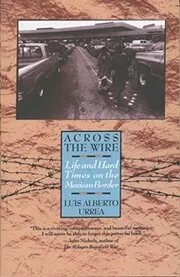
Across the Wire
by Luis Alberto Urrea
1993
Drawing on his work with relief crews in Tijuana, Urrea portrays refugees and migrants living in severe poverty near the U.S. border. This firsthand nonfiction account follows the pressures that make crossing north seem like the only option.
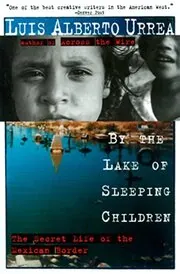
By the Lake of Sleeping Children
by Luis Alberto Urrea
1996
Through sixteen first-person portraits, Urrea returns to the Mexican borderlands to meet garbage pickers, relief workers, tourists, smugglers, and migrants. The result is an intimate account of people living between two countries and overlooked by both.
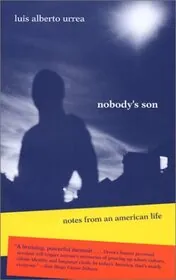
Nobody's Son
by Luis Alberto Urrea
1998
Urrea's memoir traces his childhood between Tijuana and San Diego, where family conflict, illness, racism, and questions of identity shaped him. It is a hard, funny, and deeply personal story about trying to belong.
Border Trilogy (Luis Alberto Urrea) books in chronological order
Series background & context
Luis Alberto Urrea's Border Trilogy is not a conventional series with one detective, one family, or a single continuing plot. It is a connected set of nonfiction books about the U.S.-Mexico border, beginning with the lives of people Urrea met in and around Tijuana and ending with his own family story. Read together, Across the Wire, By the Lake of Sleeping Children, and Nobody's Son move from witness, to reportage, to memoir.
The first book, Across the Wire, grew out of Urrea's work with a relief crew in Tijuana. He served as a translator and spent time with refugees and migrants living just beyond the tourist version of the city. The book looks at hunger, illness, poverty, and the dangerous choices people make when work and safety are out of reach. It is tough to read in places, but Urrea keeps the focus on individual lives rather than reducing anyone to a political argument.
The border is never only a line on a map.
By the Lake of Sleeping Children returns to that region with sixteen first-person portraits. Urrea writes about garbage pickers, dump dwellers, relief workers, tourists, smugglers, and people trying to survive in the uneasy space between Mexico and the United States. The book takes in the post-NAFTA years and the fear surrounding California's Proposition 187, but its method is intimate. It asks readers to stay with people who are often ignored when border policy gets discussed in broad slogans.
The trilogy then turns inward with Nobody's Son. This memoir follows Urrea's childhood after his family moved from Tijuana to San Diego, where he grew up amid clashing expectations about language, race, masculinity, and belonging. He writes about fear and family conflict, but also about affection, jokes, small acts of tenderness, and the people who helped him make sense of a divided home. It is the personal counterpart to the earlier books. After writing about other people caught between worlds, Urrea writes about being caught between worlds himself.
These books share a plainspoken sense of outrage, a reporter's attention to place, and room for humor even in hard circumstances. They are rooted in specific years and particular communities, but they do not read like policy manuals. Urrea is interested in what public systems do to private lives, and in how people improvise dignity when official help is absent or inadequate.
Start with Across the Wire for the clearest introduction to the trilogy's world and Urrea's firsthand role in it. Continue with By the Lake of Sleeping Children for a wider set of border portraits. Finish with Nobody's Son to see where the questions of identity, family, language, and home become most personal. The books are linked by subject and perspective, but each stands on its own.









Edited by
Software engineer whose passion for tracking book recommendations from podcasts inspired the creation of MRB.
Lead investor at 3one4 Capital whose startup expertise and love for books helped shape MRB and its growth.
Comments
Did we miss something? Have feedback?
Help us improve this page by sharing your thoughts