
Lois Lenski Books in Order
Explore Lois Lenski's books in order, with short summaries and publication details to help you find the series and choose where to start reading.
Last updated:
As an Amazon Associate, we earn from qualifying purchases (at no extra cost to you).
Lois Lenski books in publication order
70 books
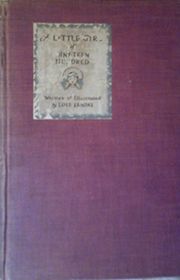
A Little Girl of Nineteen Hundred
by Lois Lenski
1928
A young girl experiences American life around 1900, from Sunday school picnics to early automobile rides and the Buffalo Exposition. Lenski draws on the world of her own childhood to portray a period of everyday discoveries.
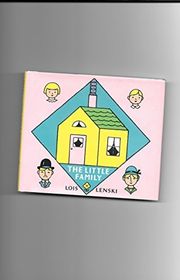
The Little Family
by Lois Lenski
1932
Mr. and Mrs. Little and their children, Sally and Tommy, share breakfast, chores and games in the early 1930s. Their ordinary daily routine gives young readers a glimpse of family life in an earlier generation.

Surprise for Mother
by Lois Lenski
1934
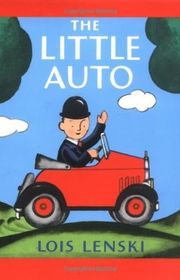
The Little Auto
by Lois Lenski
1934
Mr. Small sets out for a drive in his shiny red car, enjoying a speed that leaves horse-drawn buggies behind. Rain and a flat tire interrupt the outing, giving him practical problems to solve along the road.
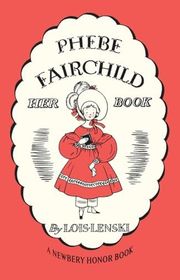
Phebe Fairchild
by Lois Lenski
1936
Sent to stay with her father's family while her parents travel overseas, Phebe struggles with the strict rules of her Connecticut relatives. Even her treasured Mother Goose book becomes a source of conflict in their household.

The Easter Rabbit's Parade
by Lois Lenski
1936
Ann Eliza cares for her farm animals throughout the year, and they decide to prepare an Easter celebration for her. Grumbling and boasting threaten their plans as the animals learn to work together to show their gratitude.
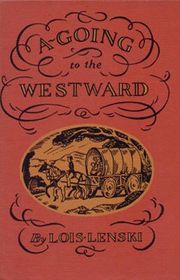
A-Going to the Westward
by Lois Lenski
1937
Twelve-year-old Betsy Bartlett leaves Connecticut with her family in 1811 to settle in Ohio’s Scioto Valley. Traveling by covered wagon and riverboat brings adventures and hardships as they make their way toward a new life on the frontier.
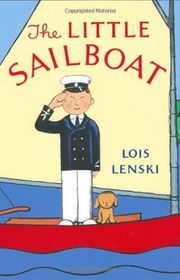
The Little Sailboat
by Lois Lenski
1937
Captain Small and his dog Tinker spend a day sailing and fishing together. Their peaceful outing changes when a storm approaches, and the little captain must bring his boat safely back towards the shelter of shore.

Bound Girl of Cobble Hill
by Lois Lenski
1938
After her father's death leaves the family poor, seven-year-old Mindwell becomes an indentured servant to relatives who run a Connecticut tavern. Work, neglect and encounters with village life test her resourcefulness and hopes for kinder treatment.
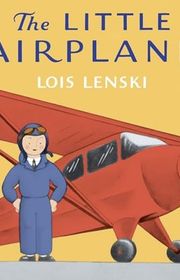
The Little Airplane
by Lois Lenski
1938
Pilot Small takes his little red airplane up for a flight, introducing young readers to an ordinary journey through the sky. His aerial outing turns the workings and pleasures of flying into a simple illustrated adventure.
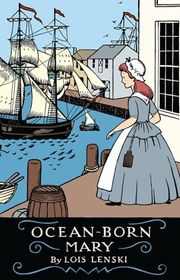
Ocean-Born Mary
by Lois Lenski
1939
Born aboard an emigrant ship in 1720, Mary becomes part of a legend when pirates spare the passengers after seeing her. Her story follows life in New Hampshire decades before the American Revolution, blending history with local tradition.
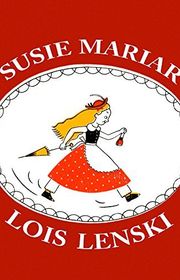
Susie Mariar
by Lois Lenski
1939
An illustrated version of an old folk rhyme follows Susie Mariar through a sequence of outlandish adventures. Her tumble into a fire begins a chain of mishaps that carries her farther and farther from ordinary life.
Blueberry Corners
by Lois Lenski
1940
In 1840s Connecticut, a financially struggling parson’s daughter is taken in by an eccentric great-aunt. Her new opportunities bring a difficult question: how can she secure similar comforts for the sisters she has left behind?
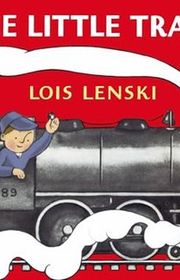
The Little Train
by Lois Lenski
1940
Engineer Small drives his train from Tinytown to the city and back, carrying passengers and cargo along the route. Tunnels and station stops introduce young readers to the activities that keep a working railway moving.
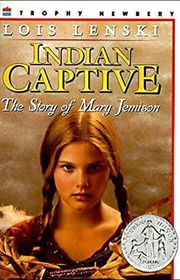
Indian Captive
by Lois Lenski
1941
Captured as a child and separated from her family, Mary Jemison is adopted by two Seneca women. As she learns their language and daily customs, her growing attachment to her new community complicates the hope of returning home.
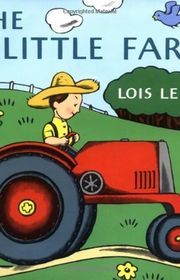
The Little Farm
by Lois Lenski
1942
Farmer Small spends his day caring for the animals on his farm, including cows, pigs and chickens. Young readers follow his practical routines and discover the steady work involved in keeping a farm's hungry inhabitants fed.
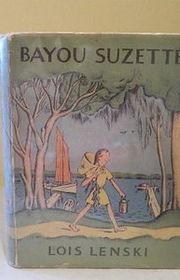
Bayou Suzette
by Lois Lenski
1943
With her father bedridden after a shooting, Suzette fishes and hunts through the Louisiana bayou to support her family. A friendship with an Indigenous girl offers companionship and a possible answer to their growing troubles.

Davy's Day
by Lois Lenski
1943
Davy moves through the routines of an ordinary day, choosing activities and practicing the tasks he can do for himself. Getting out of bed, dressing, and bathing become small steps toward independence in this picture book for young children.
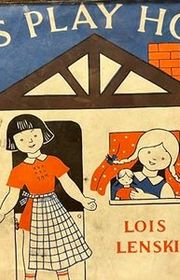
Let's Play House
by Lois Lenski
1944
Molly, Polly and Peter fill their day with imaginative games, turning everyday routines into adventures for dolls and toy animals. They dress up, visit a pretend store and play doctor as their make-believe household comes to life.
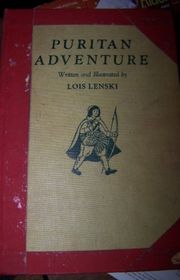
Puritan Adventure
by Lois Lenski
1944
Aunt Charity arrives in a Massachusetts Bay Colony settlement with ideas that delight the children and trouble their elders. Introducing traditional celebrations and defending a servant girl puts her in conflict with authorities determined to preserve the community’s strict rules.
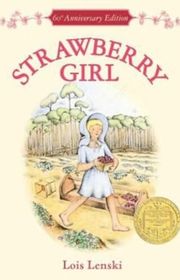
Strawberry Girl
by Lois Lenski
1945
Birdie and her family struggle to establish a Florida farm amid drought, unpredictable weather, and disputes with neighboring farmers. Determined to grow strawberries, she refuses to surrender the home and future they are working to build.
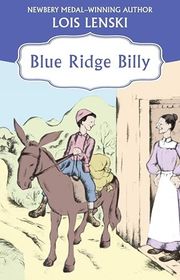
Blue Ridge Billy
by Lois Lenski
1946
Growing up in the Blue Ridge Mountains, Billy loves watching sunsets and dreams of playing the fiddle. His father's demanding expectations clash with his appreciation of music and beauty, while his mother understands what sustains him.
The Little Fire Engine
by Lois Lenski
1946
An alarm sends Fireman Small racing through Tinytown in his red fire engine. Getting dressed, travelling to the scene and helping people in danger introduce young readers to the teamwork and everyday equipment of fighting fires.
Davy and His Dog
by Lois Lenski
1947
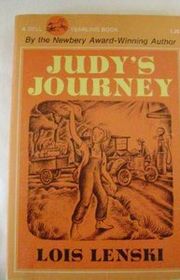
Judy's Journey
by Lois Lenski
1947
Ten-year-old Judy travels with her migrant farmworker family from Alabama along the East Coast. Constant moves interrupt her schooling and friendships, leaving her longing for a permanent home and a farm they can call their own.
Surprise for Davy
by Lois Lenski
1947
Davy celebrates his fourth birthday with presents, a party, and a large birthday cake. The picture book follows the familiar excitement of a young child’s special day and the pleasures of sharing it with others.
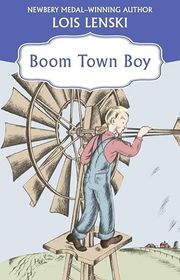
Boom Town Boy
by Lois Lenski
1948
Orvie's family struggles to keep its Oklahoma farm through drought and looming mortgage payments. His grandfather believes oil lies beneath their land, but the arrival of the boom reveals that sudden wealth cannot solve every problem.
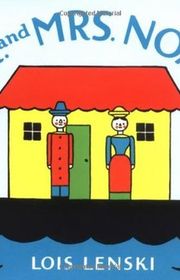
Mr. and Mrs. Noah
by Lois Lenski
1948
Warned of a coming flood, Mr. and Mrs. Noah build an ark with their sons Shem, Ham, and Japheth. The family gathers animals in pairs and works together to shelter them in this retelling of the biblical story.
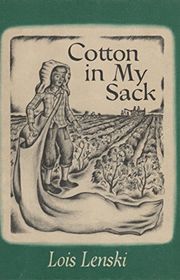
Cotton in My Sack
by Lois Lenski
1949
Joanda and her family pick cotton as sharecroppers, balancing hard work with school and small pleasures. Their hopes rise and fall with the money they earn, revealing the insecurity of children growing up in rural Arkansas.
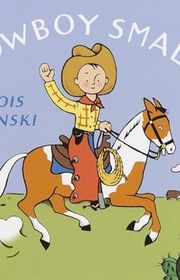
Cowboy Small
by Lois Lenski
1949
Cowboy Small works on the range with his horse, Cactus, caring for cattle and taking part in ranch life. After the day's duties, he joins his companions at the chuck wagon and sleeps beneath the open sky.
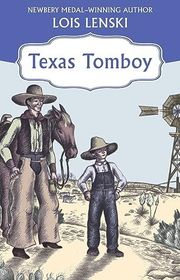
Texas Tomboy
by Lois Lenski
1950
Charlie loves riding her horse and working outdoors on her family's Texas ranch. When drought threatens their cattle and livelihood, she must recognize the importance of everyone's work as the family struggles to hold on.
Papa Small
by Lois Lenski
1951
Papa Small shares his home with Mama Small and their children, bringing the familiar character into everyday family life. Their work, play and household routines invite young readers to recognise experiences from their own homes.
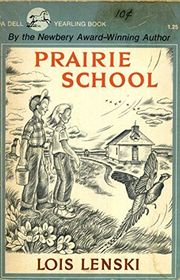
Prairie School
by Lois Lenski
1951
A fierce South Dakota blizzard traps Delores at her prairie school with her teacher. With fuel running low and snow their only source of water, Delores becomes dangerously ill while help remains cut off by the storm.
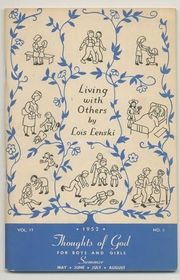
Living with Others
by Lois Lenski
1952
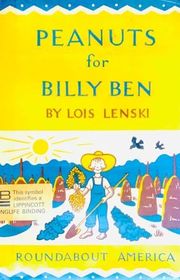
Peanuts for Billy Ben
by Lois Lenski
1952
Billy Ben helps his southern Virginia farm family plant, tend, and harvest their peanut crop. Taking their largest harvest to market brings an unexpected adventure that tests the family’s priorities and shows how much the boy matters to them.
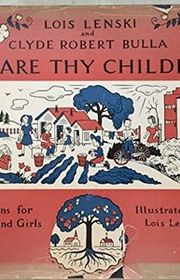
We Are Thy Children
by Lois Lenski
1952
Lois Lenski presents hymns for children, pairing her own words and illustrations with music by Clyde Robert Bulla. The collection offers young singers an introduction to religious expression through songs written specifically for boys and girls.
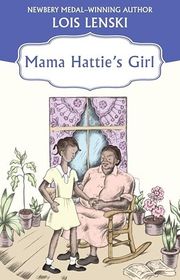
Mama Hattie's Girl
by Lois Lenski
1953
Tree-climbing Lula Bell imagines that moving north will mean escaping her family's financial struggles. When the promised prosperity proves elusive, she learns to rely on her mother and grandmother as they face the difficulties of a new home.

Corn-Farm Boy
by Lois Lenski
1954
Iowa farm boy Dick would rather drive a tractor than attend school, especially when his father buys a second machine. A chance to join the farm work lets him discover whether the life he imagines matches its demands.
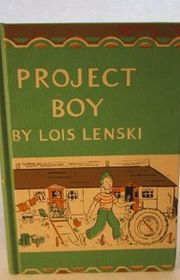
Project Boy
by Lois Lenski
1954
Teddy lives with his parents and baby sister in a crowded veterans’ housing project. His father’s war injury, neighborhood tensions, and bullying by older boys complicate daily life, but family bonds and small pleasures offer reasons for hope.

We Live in the City
by Lois Lenski
1954
Newsboy Mike, shoeshine boy Angelo, and wealthy Shirley live near one another but experience city life differently. Their connected stories follow the challenges of earning money, maintaining a home, and forming friendships across the boundaries of their separate circumstances.
A Dog Came To School
by Lois Lenski
1955
Davy’s dog Spot spends a day at school in this picture book about a familiar pet entering a child’s everyday world. The story follows Spot’s visit as part of the continuing adventures of Davy and his dog.

San Francisco Boy
by Lois Lenski
1955
Felix misses his country home after his Chinese family moves to San Francisco's busy Chinatown. New friends, adventures and his first work help him navigate the unfamiliar city and begin to find a place within it.
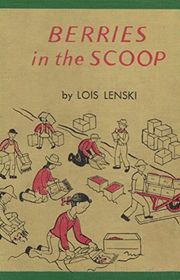
Berries in the Scoop
by Lois Lenski
1956
Kayla grows up among family and neighbors who work in Cape Cod's cranberry bogs. Through their daily lives and demanding harvest labor, the story follows an immigrant community whose shared work and relationships shape her childhood.
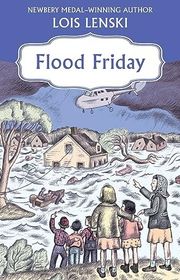
Flood Friday
by Lois Lenski
1956
Rising floodwater forces Sally's family and their neighbours to abandon their homes for shelter in a school. As reports of destruction replace the excitement of an unexpected adventure, she learns what friendship and neighbourly help really mean.
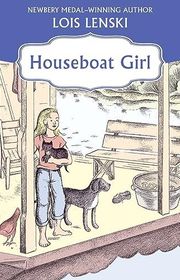
Houseboat Girl
by Lois Lenski
1957
Patsy resents leaving her Illinois home for a crowded houseboat on the Mississippi. Travelling downriver with her family and animals brings unexpected discoveries, though learning to enjoy the river does not erase her longing for land.

I Went for a Walk
by Lois Lenski
1958
Short songs follow children walking through town, with illustrations accompanying the words and music. Everyday sights along the way become material for a shared reading and singing experience that invites young children to notice their surroundings.
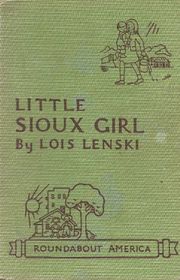
Little Sioux Girl
by Lois Lenski
1958
Eva White Bird lives with her Dakota family and spends summers riding ponies and playing near the river. Losing her treasured doll sends her searching, while the family faces the harsh weather and difficulties of reservation life.
At Our House
by Lois Lenski
1959
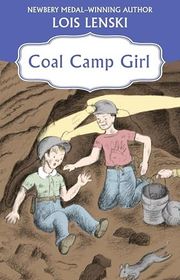
Coal Camp Girl
by Lois Lenski
1959
A West Virginia girl sees both the pride and danger in her father's work as a coal miner. Life in the mining community brings hardship and uncertainty, balanced by family loyalty and the pleasures its children find together.
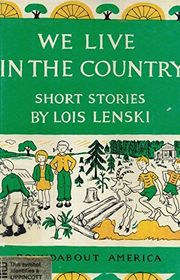
We Live in the Country
by Lois Lenski
1960
Four stories explore children’s lives on farms devoted to chickens, cotton, sheep, and trees. Moving from Connecticut and Arkansas to Texas and Louisiana, the collection shows how different kinds of farming shape family routines and children’s experiences.
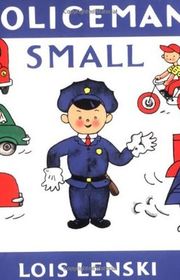
Policeman Small
by Lois Lenski
1962
Policeman Small begins his day directing traffic, helping children reach school and keeping busy streets moving. Ambulances, fire engines and a parade make his corner an eventful place as he greets the people passing through town.
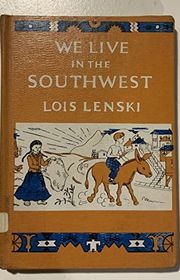
We Live in the Southwest
by Lois Lenski
1962
Three stories follow children in the American Southwest, including a New Mexico Hispanic family, an Arizona Navajo family, and residents of a mining town. Each explores everyday challenges through the children’s experiences within their different communities.
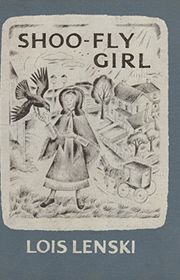
Shoo-Fly Girl
by Lois Lenski
1963
Young Suzanna, known as Shoo-Fly, grows up among the Amish of Lancaster County, Pennsylvania. Through her daily experiences, the story explores the customs, work and family relationships that shape life in her close community.

Sing a Song of People
by Lois Lenski
1965
A rhythmic celebration follows people moving through a busy city, alone and in crowds. Pedestrians, passengers and commuters pass one another on streets, buses and subways, inviting children to observe the many strangers who share urban life.
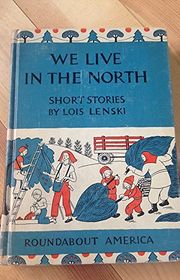
We Live in the North
by Lois Lenski
1965
Three illustrated short stories set in Michigan introduce children’s experiences of life in the North. The collection forms part of Roundabout America, which presents young people in different communities and regions of the United States.
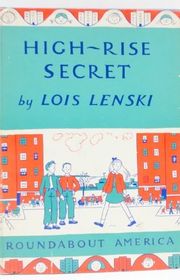
High-Rise Secret
by Lois Lenski
1966
Living in a high-rise housing project in a city on Lake Erie, Peggy tries to make friends and improve her neighborhood. Joining efforts against threatening local youths brings her into the struggle to make the project safer for everyone.
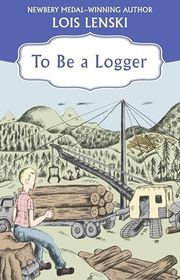
To Be a Logger
by Lois Lenski
1967
Growing up in the Oregon woods, Little Joe wants nothing more than to become a logger like his father. His first visit to a logging camp strengthens the dream, but experience challenges his understanding of caring for the forest.
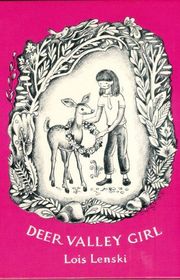
Deer Valley Girl
by Lois Lenski
1968
A girl growing up on a Vermont farm faces the painful loss of her dog against a feud between two families. As old hostilities persist, she must confront the truth about what happened to her pet.

Debbie and Her Family
by Lois Lenski
1969
Debbie joins her many relatives as they gather to celebrate her great-grandfather’s ninetieth birthday. The picture book introduces a young child’s extended family through the occasion of a shared celebration and the people who make it special.
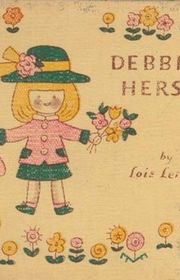
Debbie Herself
by Lois Lenski
1969
Short verses follow three-year-old Debbie through the games and everyday activities she enjoys. This illustrated portrait of a small child’s daily life introduces her through familiar moments of play and the routines that shape her world.
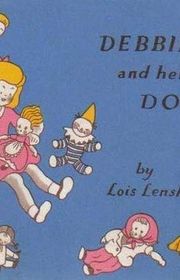
Debbie and Her Dolls
by Lois Lenski
1970
Debbie’s play with her dolls becomes a search when her brother and sister hide them. This picture book follows a small family adventure in which a familiar household activity turns into a mystery for the youngest child.

Debbie Goes To Nursery School
by Lois Lenski
1970
Debbie spends a day at nursery school in this picture book about a young child’s everyday experiences. Her story introduces the school setting through a familiar character whose activities form part of the wider Debbie series.
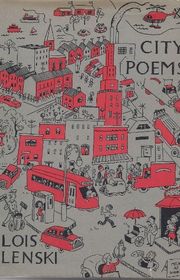
City Poems
by Lois Lenski
1971
A collection of poems turns everyday city life into subjects for young readers. Lenski looks at urban places, people, and community from a child’s perspective, bringing the rhythms and experiences of the city into illustrated verse.

Debbie and Her Pets
by Lois Lenski
1971
Debbie gathers an assortment of animals, from bugs and rabbits to a cat and dog, and organizes a pet show. Deciding which animals are best becomes a question about the affection she feels for her many companions.
Debbie and Her Grandma
by Lois Lenski
1972
Debbie visits her grandmother for a day and a night, joining in her busy routine. Away from home on her own, the little girl enjoys their time together and the familiar activities that make the visit special.
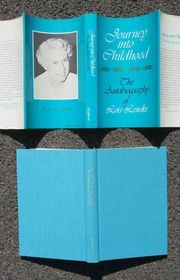
Journey Into Childhood
by Lois Lenski
1972
Lois Lenski recalls her childhood, art education, and development as a writer and illustrator. She explains how family experiences and research among children across America shaped her picture books and regional stories, connecting her work with the life behind it.
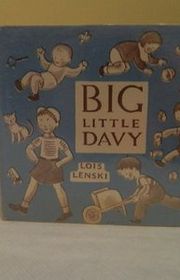
Big Little Davy
by Lois Lenski
1974
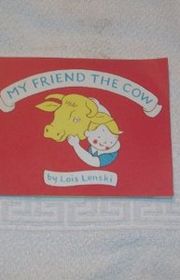
My Friend the Cow
by Lois Lenski
1975
A young boy discovers how milk travels from a cow to his breakfast table. Illustrated explanations follow dairy products from the farm into people's homes, introducing children to the work behind an everyday part of their meals.
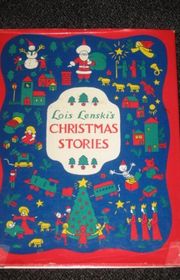
Lois Lenski's Christmas Stories
by Lois Lenski
1980
Stories, poems, and a Christmas play portray celebrations across different times and communities. From Puritan New England to sharecroppers and Bayou French families, Lenski explores the holiday’s varied traditions through children’s experiences and historical settings.
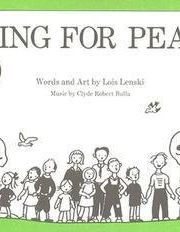
Sing For Peace
by Lois Lenski
1985
Ten illustrated Christian songs pair Lois Lenski's words with Clyde Robert Bulla's music. Written for children to sing, they explore peaceful living, personal responsibility and concern for other people through simple expressions of faith and community.
Where to start with Lois Lenski
For her Newbery-winning novel: Strawberry Girl
For regional stories: Bayou Suzette → Blue Ridge Billy → Judy's Journey
For historical novels: Phebe Fairchild → Indian Captive
For young readers and Mr. Small: The Little Auto → The Little Sailboat → The Little Train → The Little Farm
For her autobiography: Journey Into Childhood
Lois Lenski sub-series and character series
American Regional books in order
Davy books in order
Debbie books in order
Mr. Small books in order
Roundabout America books in order
Standalone Lois Lenski books
Author bio
Lois Lenski wrote and illustrated children's books about work, family life and the many different places children call home. Born in Springfield, Ohio, in 1893, she grew up in Anna, where her father was a minister. She graduated from Ohio State before studying art in New York and London.
Drawing led her toward storytelling.
Lenski began as an illustrator, married fellow artist Arthur Covey and eventually wrote stories of her own. A Little Girl of Nineteen Hundred drew on her Ohio childhood. She also illustrated other writers' work, including Maud Hart Lovelace's Betsy-Tacy books, while developing a catalogue of picture books, historical fiction and regional stories.
The Mr. Small books grew from playtime conversations with her son Stephen. Their recurring character takes on familiar activities and occupations, with pictures carrying much of the explanation. Titles such as The Little Train, The Little Farm and The Little Fire Engine offer an early-reader route through her work, distinct from the longer novels.
The Regional books began with listening.
During visits to Louisiana, children gathered around Lenski as she sketched, giving her the chance to hear about their lives. Those encounters led to Bayou Suzette. She continued developing stories through visits and conversations with families, seeking to show readers ways of living beyond their own neighborhoods. Geography in these books means work and home life as well as scenery.
Strawberry Girl is her best-known example, following a farming family in Florida. It won the Newbery Medal in 1946. After its success, children wrote to invite Lenski into their own communities, hoping she might tell stories about lives like theirs. Her historical novels Phebe Fairchild and Indian Captive also received Newbery Honors, marking another part of her work beyond the contemporary Regional books.
Readers browsing this page can choose a format as well as a subject. The Mr. Small picture books offer short introductions to activities, while Strawberry Girl gives a fuller novel about a particular region. The historical books are a separate route into children’s lives in the past. There is no single storyline connecting all of those choices.
In 1967, Lenski established the Lois Lenski Covey Foundation to support literacy. She died in 1974. Her writing and illustration leave several ways to begin: the practical world of Mr. Small, a historical novel, or the regional stories built from the children and families she met.













Edited by
Software engineer whose passion for tracking book recommendations from podcasts inspired the creation of MRB.
Lead investor at 3one4 Capital whose startup expertise and love for books helped shape MRB and its growth.
Comments
Spotted a missing book, a wrong order or a mistake? Tell us and we'll fix this page.
We're a reading guide, not the author or publisher, so we can't send books or pass on messages.