
The Women's Book of Mormon Books in Order
Part ofMette Ivie Harrison Books in OrderExplore The Women's Book of Mormon by Mette Ivie Harrison, with books in order, short summaries, series background, and where to start.
Last updated:
As an Amazon Associate, we earn from qualifying purchases (at no extra cost to you).
The Women's Book of Mormon books in publication order
2 books
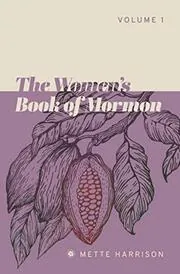
The Women's Book of Mormon
by Mette Ivie Harrison
2020
This reimagining retells Book of Mormon history as an oral record passed down by women. Harrison shifts the focus to mothers, daughters, visions, survival, and forms of spiritual authority the original text leaves quieter.

The Women's Book of Mormon, Volume 2
by Mette Ivie Harrison
2022
The second volume carries Harrison's women's oral history deeper into conflict, endurance, and waiting for redemption. It expands the first book's project without losing its intimate, human scale.
The Women's Book of Mormon books in chronological order
Series background & context
The Women's Book of Mormon takes a simple but powerful idea and follows it all the way through. What if the sacred history had also been preserved by women, not as an official written record handed down through priesthood lines, but as an oral tradition carried from mother to daughter, sister to sister, friend to friend? Harrison treats that question seriously, and the result feels less like parody than like a parallel record.
The books shift the focus toward pregnancy, hunger, widowhood, friendship, memory, visions, and the unglamorous work of keeping people alive. Big events from familiar scripture are still there, but they look different when seen from kitchens, camps, sickbeds, and family circles instead of from leaders and warriors. The women in these pages are not decorative witnesses. They interpret events, argue with them, and pass on meaning in their own words.
That change in angle is the whole point.
The tone is reflective, sometimes devotional, sometimes quietly defiant. Harrison is interested in spiritual authority that does not need official permission. She gives attention to women who believe, women who doubt, women who endure, and women who keep telling the story anyway. The second volume continues that work and carries the oral history forward toward the coming of Christ, which gives the series a strong sense of waiting and culmination.
These books are best for readers who enjoy faith-centered fiction that also questions inherited structures. They are not action-heavy retellings. They are slower, more meditative, and more interested in inner life than in spectacle. If you want to see Harrison at her most idea-driven, and most focused on who gets left out of official narratives, this series is a strong place to look.













Edited by
Software engineer whose passion for tracking book recommendations from podcasts inspired the creation of MRB.
Lead investor at 3one4 Capital whose startup expertise and love for books helped shape MRB and its growth.
Comments
Did we miss something? Have feedback?
Help us improve this page by sharing your thoughts