
Liana Liu Books in Order
Browse Liana Liu's books in order, with short summaries, where-to-start advice, and a quick overview of The Memory Key and Shadow Girl for new readers.
Last updated:
As an Amazon Associate, we earn from qualifying purchases (at no extra cost to you).
Liana Liu books in publication order
2 books
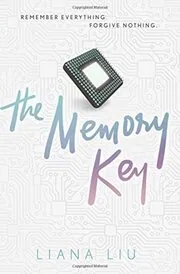
The Memory Key
by Liana Liu
2015
In a future where implanted chips preserve memory, Lora Mint's damaged key begins surfacing flashes from the night her mother died. As she digs deeper, grief turns into a dangerous mystery about truth, memory, and corporate power.
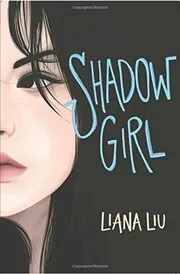
Shadow Girl
by Liana Liu
2017
Mei thinks a summer job tutoring a rich family's daughter will be an escape from her cramped city life. Instead she finds buried family trouble, class tension, and eerie signs that the house on Arrow Island may be hiding something dangerous.
Where to start with Liana Liu
If you want near-future mystery and big questions about memory: The Memory Key
If you want gothic suspense and a haunted-house mood: Shadow Girl
If you want the full published order: The Memory Key → Shadow Girl
Standalone Liana Liu books
Author bio
Liana Liu was born and raised in New York City, and that city has remained home for her. She later earned an MFA in fiction writing from the University of Minnesota, a step that gave her a formal route into the craft of building stories, testing ideas, and revising them until the emotional logic feels right.
She writes young adult fiction, but not the breezy kind that skims past hard feelings.
Her debut novel, The Memory Key, came out in 2015. It is set in a near future where people rely on implanted memory chips to protect themselves from a widespread degenerative disease. At the center is Lora Mint, a girl still grieving her mother, whose damaged key starts returning fragments that make the official story of that loss look less certain.
That setup shows one of Liu's recurring strengths. She likes high-pressure situations, but she keeps the lens close to one young person's mind. In The Memory Key, the technology matters, yet the real pull is emotional. Readers who enjoy speculative fiction with grief, secrecy, and moral unease will usually see why the novel stands out in her small bibliography.
Memory is never just background in Liu's work.
Her second novel, Shadow Girl, followed in 2017. This time Liu leaves futuristic tech behind and moves into a stranger, more gothic space: a summer tutoring job, a wealthy family on an island estate, and a young woman who slowly realizes that the house around her may be hiding more than ordinary family trouble. Even before the more openly eerie elements arrive, the book is already interested in isolation, money, and not quite belonging.
What many readers respond to in Shadow Girl is the way the tension works on two levels at once. There is the possible haunting, of course, but there is also the sharp social tension of being the outsider in a rich family's world. Liu lets the suspense grow through atmosphere, awkward power dynamics, and the slow realization that escape might not be as simple as leaving the island.
Taken together, The Memory Key and Shadow Girl show a clear set of interests. Both are standalone novels. Both put young women at the center of stories where the ground keeps shifting under them. Liu returns to family secrecy, class pressure, belonging, and the gap between what people say happened and what may have really happened.
Her writing life has not been limited only to novels. In 2017, she also published a piece on "Me and Julio Down by the Schoolyard" and an essay titled "Authorial Custody in Poetry." Those credits fit neatly alongside the fiction, which often circles questions about language, narrative control, and what gets edited out when someone else's version of events becomes the official one.
Liu still lives in New York City. That detail feels fitting, because her books carry a strong sense of social pressure and close observation, whether the setting is a future shaped by invasive technology or a house full of money, secrets, and doors that should probably stay shut.




Edited by
Software engineer whose passion for tracking book recommendations from podcasts inspired the creation of MRB.
Lead investor at 3one4 Capital whose startup expertise and love for books helped shape MRB and its growth.
Comments
Did we miss something? Have feedback?
Help us improve this page by sharing your thoughts