
Leo Lionni Books in Order
Explore Leo Lionni books in order on this page, with quick summaries, classic picture books, and simple where-to-start advice for readers, parents, and teachers.
Last updated:
As an Amazon Associate, we earn from qualifying purchases (at no extra cost to you).
Leo Lionni books in publication order
48 books
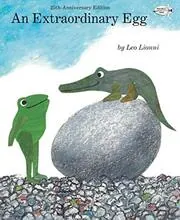
An Extraordinary Egg
by Leo Lionni
1948
Three frogs on Pebble Island find a large white egg and decide it must be a chicken egg. When it hatches into a baby alligator, their cheerful mistake turns into a funny story about identity and assumptions.
Six Crows
by Leo Lionni
1949
Six hungry crows watch a farmer's wheat field and refuse to be fooled by his scarecrow. Their standoff becomes a smart little fable about compromise, pride, and finding a workable peace.
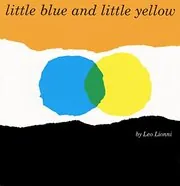
Little Blue and Little Yellow
by Leo Lionni
1959
Little Blue and Little Yellow are best friends who turn green when they hug after a separation. Their families do not understand at first, and Lionni turns color mixing into a warm story about love and recognition.
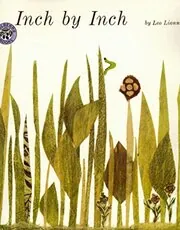
Inch by Inch
by Leo Lionni
1960
A small inchworm saves himself from hungry birds by measuring whatever they ask, from beaks to tails. Then a nightingale demands something impossible, and the inchworm must think his way out.

On My Beach There Are Many Pebbles
by Leo Lionni
1961
This quiet picture book invites children to look closely at ordinary pebbles and imagine the shapes, letters, numbers, and creatures hidden in them. It is a gentle lesson in noticing beauty where others might only see stones.
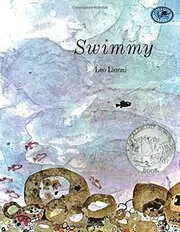
Swimmy
by Leo Lionni
1963
Swimmy, the only black fish in a school of red ones, survives a tuna attack and wanders the sea alone. When he finds other frightened fish, he helps them act together with courage.
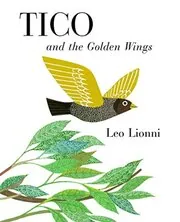
Tico and the Golden Wings
by Leo Lionni
1964
Tico is a little bird born without wings who is granted a dazzling pair made of gold. When envy pushes his friends away, he learns what generosity can do, and what kind of freedom matters most.
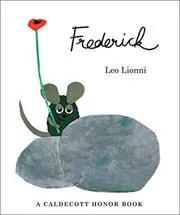
Frederick
by Leo Lionni
1967
While the other field mice gather food for winter, Frederick gathers sunbeams, colors, and words. When the cold months come, his odd supplies turn out to be exactly what the community needs.
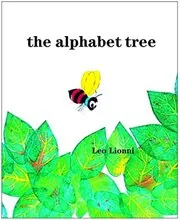
The Alphabet Tree
by Leo Lionni
1968
When a fierce wind threatens the letters living in an alphabet tree, they learn to join into words and sentences. Lionni turns language itself into a small, hopeful fable about unity and peace.
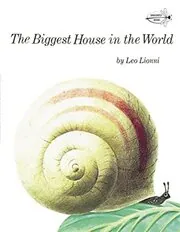
The Biggest House in the World
by Leo Lionni
1968
A young snail dreams of having the biggest shell in the world. His father answers with a cautionary story about beauty, burden, and why a smaller home may leave more room for adventure.
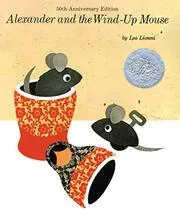
Alexander and the Wind-Up Mouse
by Leo Lionni
1969
Alexander, a real mouse, is chased with brooms while the toy mouse Willy is loved and cuddled. His wish to become wind-up like Willy leads to a tender story about friendship and what truly makes a life happy.
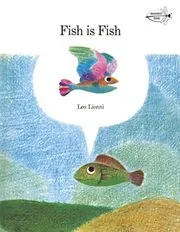
Fish is Fish
by Leo Lionni
1970
A fish and a tadpole grow up together until the tadpole becomes a frog and explores life on land. When the fish tries to follow, Lionni gently shows how curiosity, limits, and friendship can all coexist.
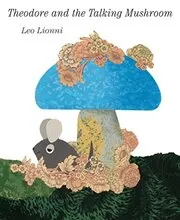
Theodore and the Talking Mushroom
by Leo Lionni
1971
Theodore is a small mouse with no special talent, or so he thinks. After discovering a blue mushroom that says quirp, he twists its meaning to win admiration and learns how quickly a lie can collapse.
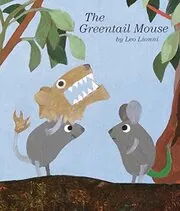
The Greentail Mouse
by Leo Lionni
1973
A peaceful group of field mice decide to celebrate their own Mardi Gras with bright ribbons and scary masks. The game turns sour, and Lionni shows how pretending can slip into fear, suspicion, and meanness.
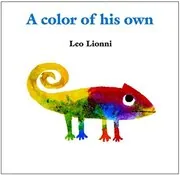
A Color of His Own
by Leo Lionni
1975
A little chameleon wants a color of his own instead of changing with every place he goes. His search leads him toward a friendship that makes change feel less lonely.
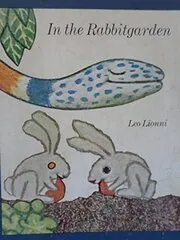
In the Rabbitgarden
by Leo Lionni
1975
Despite an old rabbit's warning, two young rabbits find a clever way to reach the apples in the rabbitgarden. Their trip becomes a small adventure about temptation, courage, and outsmarting danger.
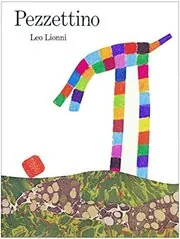
Pezzettino
by Leo Lionni
1975
Pezzettino is so small that he thinks he must be a missing piece of someone else. His search across a bright, blocky world becomes a simple and moving story about self-acceptance.

Parallel Botany
by Leo Lionni
1976
This is Lionni's strangest book, a mock field guide to plants that do not exist. It mixes drawings, fake botany, travel lore, and playful science to build an imaginative world all its own.
A Flea Story
by Leo Lionni
1977
Two fleas disagree about whether home is enough or whether the world is worth seeing. As they hop from animal to animal, Lionni turns their chatter into a funny little journey about curiosity and friendship.
Geraldine, the Music Mouse
by Leo Lionni
1979
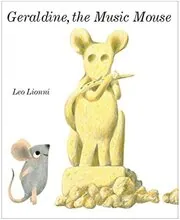
Geraldine discovers a huge piece of Parmesan and shares it with her fellow mice. In the process she uncovers music, generosity, and a bit of magic hidden inside an unlikely block of cheese.
Mouse Days: A Book of Seasons
by Leo Lionni
1981
Mice skate, hide in eggs, drift on autumn leaves, and move through the changing year one season at a time. It is a playful introduction to months, weather, and the rhythms of the natural world.
Let's Make Rabbits
by Leo Lionni
1982
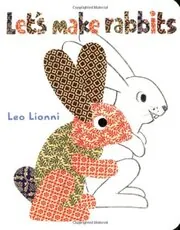
A pair of scissors and a pencil create two rabbits, one cut from paper and one drawn in line. When a real carrot enters their handmade world, the story takes a surprising turn toward wonder.
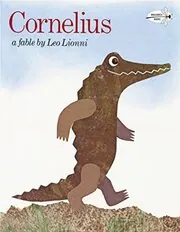
Cornelius
by Leo Lionni
1983
Cornelius is a crocodile who walks upright, sees more, and does tricks no other crocodile can manage. At first no one cares, but his difference soon becomes the thing that changes everything.
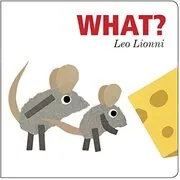
What?
by Leo Lionni
1983
From a telephone to eyeglasses to a wedge of cheese, this board book asks toddlers to recognize familiar objects. The text is spare, and the fun comes from naming what each picture shows.
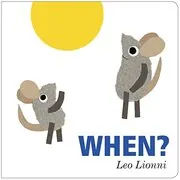
When?
by Leo Lionni
1983
From sunup to sundown and winter through fall, this board book introduces the basic ideas of time and season. Simple scenes and bright art make the concepts easy for toddlers to name and notice.
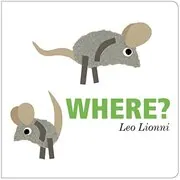
Where?
by Leo Lionni
1983
Mice explore trees, shoes, boxes, and mouse holes while young readers answer one simple question: where? It is a cheerful board book about place, position, and everyday language.
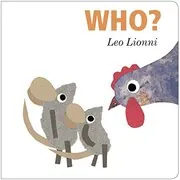
Who?
by Leo Lionni
1983
This toddler-friendly board book asks young readers to spot and identify animals on each page. Lionni's bold shapes and simple question make it an easy first book for talking and guessing together.
Numbers
by Leo Lionni
1985
This early concept book introduces numbers and counting with clear pictures and Lionni's playful visual style. It is simple, direct, and built for very young readers.
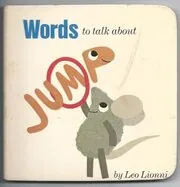
Words
by Leo Lionni
1985
Lionni turns first vocabulary into a gentle concept book full of familiar things to spot and name. It is a good fit for toddlers who like pointing, repeating, and building everyday language.
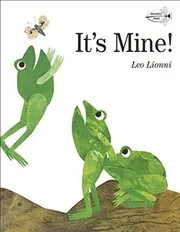
It's Mine!
by Leo Lionni
1986
Three young frogs keep shouting that the pond, the island, and everything else is mine. A storm forces them to depend on one another and learn what sharing really means.
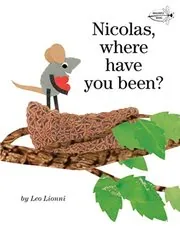
Nicolas, Where Have You Been?
by Leo Lionni
1987
When young Nicolas goes out alone in search of ripe red berries, a huge bird snatches him into the sky. His frightening trip turns into a story about fear, surprise, and seeing old enemies differently.
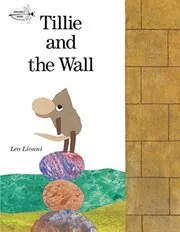
Tillie and the Wall
by Leo Lionni
1989
Tillie has always wondered what lies on the other side of the wall near her home. When she finally digs through, Lionni turns her curiosity into a warm story about connection and tearing barriers down.
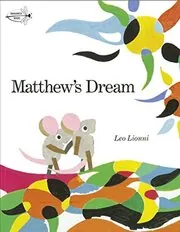
Matthew's Dream
by Leo Lionni
1991
Matthew lives in a dusty attic and thinks the world is drab until a trip to the museum changes his eyes. Back home, the little mouse discovers that art can remake an ordinary life.
A Busy Year
by Leo Lionni
1992
Two mice and their friend Woody the tree move through all twelve months, from winter cold to summer warmth. It is a gentle, child-sized tour of the year and its changing seasons.

Mr. McMouse
by Leo Lionni
1992
A city mouse is startled by the dark, formal stranger he sees in the mirror and heads for the country to reinvent himself. Out there, Mr. McMouse learns that belonging has to be earned, not invented.
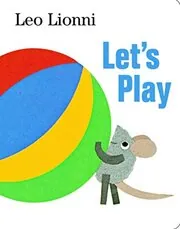
Let's Play
by Leo Lionni
1993
This small board book invites children into simple games and playful movement with Lionni's bright, friendly art. It is made for toddlers who like joining in, pointing, and pretending.
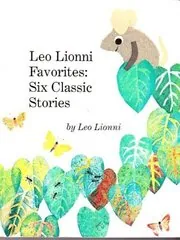
Six Lionni Favorites
by Leo Lionni
1995
This collection gathers six of Lionni's best-known picture books in one volume. It is a handy way to sample the stories, animals, and visual style that made him a favorite read-aloud author.

Between Worlds
by Leo Lionni
1997
Lionni's autobiography looks back on a life lived between countries, careers, and art forms. It offers a personal view of the designer, artist, and storyteller behind the children's books.
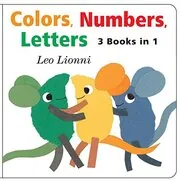
Colors, Numbers, Letters
by Leo Lionni
2010
This sturdy concept collection brings together three preschool basics, colors, numbers, and letters, in one volume. Lionni's clear art keeps the learning simple without feeling dry.
Leo Lionni's 123
by Leo Lionni
2015
This counting book uses Lionni's familiar shapes and animals to introduce numbers in a playful way. It is an easy first step for toddlers learning to count out loud.
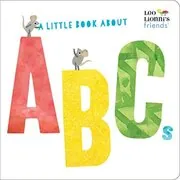
A Little Book about ABCs
by Leo Lionni
2019
This board book introduces the ABCs with Lionni's clean shapes and familiar imagery. It keeps the focus on first letters and easy recognition, not clutter.
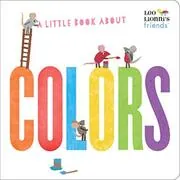
A Little Book about Colors
by Leo Lionni
2019
Lionni's art becomes a first colors book here, with bright pairings that help toddlers name what they see. It is short, sturdy, and easy to revisit again and again.
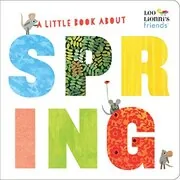
A Little Book about Spring
by Leo Lionni
2019
Inspired by Lionni's art, this board book points out buds, birds, rain, and other small signs that spring has arrived. It is simple, sturdy, and made for sharing with very young readers.
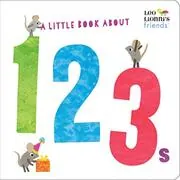
A Little Book about 123s
by Leo Lionni
2020
This board book introduces early counting with simple pictures and Lionni's playful visual world. It is designed for toddlers just starting to connect numbers with groups of things.
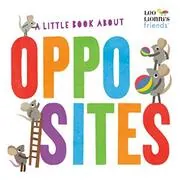
A Little Book about Opposites
by Leo Lionni
2020
Big and small, in and out, up and down, this board book helps toddlers spot basic opposites. The format is simple, and Lionni's art does the heavy lifting.
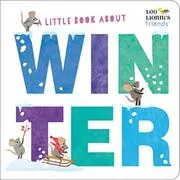
A Little Book about Winter
by Leo Lionni
2021
This winter board book highlights snow, bare branches, cozy moments, and other details of the cold season. It offers a calm, simple introduction for the very youngest readers.
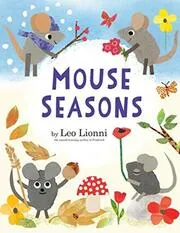
Mouse Seasons
by Leo Lionni
2021
Drawn from the poem in Frederick, this picture book turns the passing year into a mouse-sized meditation on the seasons. The language is musical, and the art keeps it warm and easy to share.
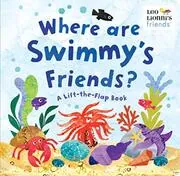
Where Are Swimmy's Friends?
by Leo Lionni
2021
Young readers follow Swimmy through underwater scenes as he looks for his missing friends. It is an interactive search book that brings Lionni's small black fish back for a new audience.
Where to start with Leo Lionni
If you want the essential classics: Little Blue and Little Yellow → Swimmy → Frederick
If you like clever problem-solvers: Inch by Inch → Alexander and the Wind-Up Mouse → Fish is Fish
If you want stories about identity and belonging: A Color of His Own → Pezzettino → Cornelius
If you are reading with very young kids: Who? → What? → Where? → When?
Standalone Leo Lionni books
Author bio
Leo Lionni was born in Amsterdam, the Netherlands, on May 5, 1910. His father was an accountant, his mother an opera singer. He spent part of his childhood in Philadelphia and his teen years in Italy, and that back-and-forth between places stayed with him all his life.
Long before he wrote for children, he was the kid wandering through museums and teaching himself to draw.
Although he later earned a degree in economics from the University of Genoa, art kept pulling harder. In the 1930s he wrote about architecture, painted, and moved into graphic design and advertising in Milan. After moving to the United States in 1939, he built a successful design career and later became art director at Fortune. He also taught at several schools over the years, including Black Mountain College and Cooper Union.
He never treated those jobs as separate lives. He painted, designed, photographed, taught, and made books, often all within the same long stretch of work. That broad visual life helps explain why his picture books feel so simple on the page and so carefully made underneath.
His turn toward children's books began almost by accident. On a long train ride with his grandchildren, he needed a way to tell a story and had no drawing supplies, so he tore blue and yellow shapes from a magazine and made one up on the spot. That improvised tale became Little Blue and Little Yellow in 1959, the book that opened a new chapter for him.
From there came many of the books readers still hand to children first, Inch by Inch, Swimmy, Frederick, and Alexander and the Wind-Up Mouse. Kids meet inchworms, fish, mice, frogs, snails, and chameleons, but the stories are really about human-sized questions, friendship, jealousy, courage, sharing, art, and how to belong without becoming someone else. His collages, watercolors, and cut-paper shapes make those ideas easy to feel before a child can fully explain them.
He made room for dreamers.
That shows up again in books like A Color of His Own, Pezzettino, Tillie and the Wall, and Matthew's Dream. Lionni liked characters who felt small, different, curious, or out of step with the crowd. Readers often come away from his work with the sense that being different is not a problem to solve, and that imagination is a real kind of help.
The honors followed. He received four Caldecott Honors, for Inch by Inch, Swimmy, Frederick, and Alexander and the Wind-Up Mouse, and in 1984 he received the American Institute of Graphic Arts Gold Medal. He and his wife, Nora Maffi, had two sons, and he later returned to Italy, where he kept working across art and books for the rest of his life.
Leo Lionni died on October 11, 1999, at his home in Tuscany, Italy, at age 89. By then he had written and illustrated more than 40 children's books. They still feel fresh because they talk to young readers plainly, trust them with big feelings, and never forget that pictures can think and ask questions as well as words.














Edited by
Software engineer whose passion for tracking book recommendations from podcasts inspired the creation of MRB.
Lead investor at 3one4 Capital whose startup expertise and love for books helped shape MRB and its growth.
Comments
Did we miss something? Have feedback?
Help us improve this page by sharing your thoughts