
Lavender Road Books in Order
Part ofHelen Carey Books in OrderSee the Lavender Road books in order by Helen Carey, with short summaries, wartime series background, and help deciding where to start this South London saga.
Last updated:
As an Amazon Associate, we earn from qualifying purchases (at no extra cost to you).
Lavender Road books in publication order
6 books
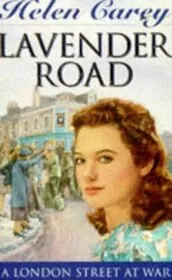
Lavender Road
by Helen Carey
1995
In September 1939, the neighbours of a south London street are already fighting private battles before the war fully closes in. Joyce Carter, her ambitious daughter Jen, and those around them face hunger, temptation, and upheaval as London braces for invasion.

Some Sunny Day
by Helen Carey
1995
During the Blitz, Lavender Road endures bombs, shortages, and everyday fear. Sheltered Katy Parsons begins nurse training, while privileged Louise Rutherford hides a dangerous secret, in a story about young women being forced to grow up fast.
On A Wing And A Prayer
by Helen Carey
1997
By 1941 the people of Lavender Road are worn down by loss and rationing, but Helen de Burrel takes an even greater risk. Joining the Special Operations Executive draws her into wartime espionage, where trust is scarce and love can be dangerous.
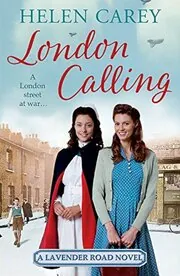
London Calling
by Helen Carey
2016
As the war grinds on, nurse Molly Coogan and would-be actress Jen Carter are thrown together despite their mutual dislike. From hospital wards to wartime nights in London, both face danger, heartbreak, and choices that change them.
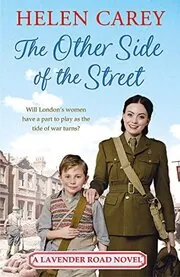
The Other Side of the Street
by Helen Carey
2017
In 1944, tired but hopeful Londoners sense the war turning, yet Lavender Road still tests them. Louise Rutherford grabs at a secret new opportunity, Jen Carter's love life is shaken, and V1 attacks threaten the fragile lives they have rebuilt.
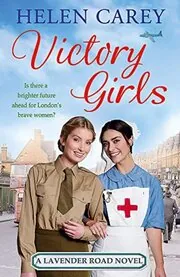
Victory Girls
by Helen Carey
2018
In August 1944, with rockets still falling on London, Helen de Burrel heads back to France to find Andre while Molly Coogan searches for the truth about her past. The final Lavender Road novel asks what peace will really cost.
Lavender Road books in chronological order
Series background & context
Lavender Road is a six book wartime saga that begins in September 1939 and stays with one south London community until VE Day in 1945. The street gives the series its name, but the real focus is the people who live there and the way war slowly reshapes every part of their lives. This is not a single hero story. It is an ensemble series, and a lot of the pleasure comes from watching neighbours, friends, and families rub up against one another over time.
At the heart of the books are women from very different backgrounds. Joyce Carter is trying to keep food on the table while her family life threatens to come apart. Her daughter Jen wants a bigger life and dreams of the stage. Katy Parsons starts out sheltered and timid, then finds herself tested by nursing and adult responsibility. As the series moves on, Molly Coogan, Louise Rutherford, and Helen de Burrel step further into the spotlight too. Some are funny, some prickly, some deeply frustrating, and that is part of what makes the series work.
The setting matters a lot. Carey uses Clapham and the wider south London area as more than backdrop. Air-raid shelters, hospital wards, pubs, cafes, crowded homes, and houses overlooking the Common all help shape the mood. Because the neighbourhood sits close to major transport links and obvious targets, the war feels close at hand from the start, whether that means invasion fears, the Blitz, rationing, or the later terror of V1 and V2 attacks. The books are interested in what war does to ordinary routines as much as in the headline events.
It is a home front saga first, but it does not stay small. Later books widen the frame to include the ATS, the Special Operations Executive, military hospitals, occupied France, and the long push toward the end of the war. That broader scope gives the series more suspense and movement without losing what made it appealing in the first place. Even when the action moves away from London, the emotional center stays with Lavender Road. The street becomes a kind of anchor, the place people return to, or hope to return to, after everything they have seen.
Nobody gets through these years untouched.
What keeps the series moving is not just the history, but the way Carey handles character. People fall in love, quarrel, hide things, change their minds, and sometimes grow up the hard way. Someone who seems selfish or shallow in one book can become much more complicated later on. That gives the books a lived-in feeling, because nobody is reduced to a simple role.
The tone mixes danger, romance, humour, loss, and a lot of everyday detail, from wages and meals to uniforms, shifts, and gossip. If you like historical fiction that cares about class, work, family tension, and the small decisions people make under pressure, this series has plenty to hold onto. It is best read in order, beginning with Lavender Road and ending with Victory Girls, because relationships deepen from book to book and the later emotional payoffs land harder when you have been with the street from the beginning.









Edited by
Software engineer whose passion for tracking book recommendations from podcasts inspired the creation of MRB.
Lead investor at 3one4 Capital whose startup expertise and love for books helped shape MRB and its growth.
Comments
Did we miss something? Have feedback?
Help us improve this page by sharing your thoughts