
Kim Taylor Blakemore Books in Order
Explore Kim Taylor Blakemore's books in order, with quick summaries for each novel, historical settings, and simple guidance on where to start.
Last updated:
As an Amazon Associate, we earn from qualifying purchases (at no extra cost to you).
Kim Taylor Blakemore books in publication order
5 books
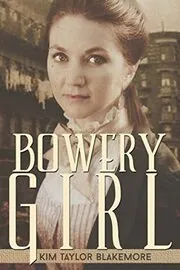
Bowery Girl
by Kim Taylor Blakemore
2015
In 1883 New York, pickpocket Mollie Flynn and prostitute Annabelle Lee scrape by in the Bowery and dream of a better life. When a wealthy reformer offers them respectable work, her promises may come with strings attached.
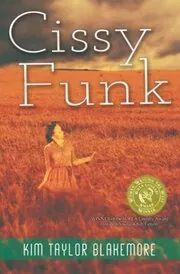
Cissy Funk
by Kim Taylor Blakemore
2015
On the Dust Bowl plains of Colorado, Cissy Funk lives with poverty, grief, and a mother who has turned cruel. When Aunt Vera arrives offering warmth and safety, buried family trouble threatens Cissy's fragile hope.
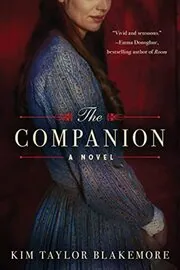
The Companion
by Kim Taylor Blakemore
2020
In 1855 New Hampshire, Lucy Blunt awaits execution for a double murder and tells the story that led her there. Inside a tense mansion full of secrets, shifting loyalties make it hard to tell victim from liar.
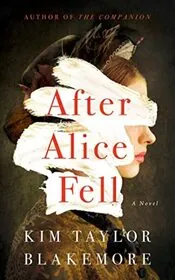
After Alice Fell
by Kim Taylor Blakemore
2021
Summoned to claim her sister's body from an asylum in 1865 New Hampshire, Marion Abbott refuses to accept the official story of suicide. A stranger's chilling words push her into a dangerous search for what really happened.
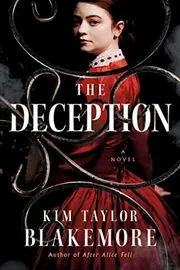
The Deception
by Kim Taylor Blakemore
2022
In 1877 New Hampshire, fallen child medium Maud Price joins forces with a clever spiritualist trickster to rebuild her fame through fraud. When their act brushes against murder, the lies become far more dangerous than the ghosts.
Where to start with Kim Taylor Blakemore
If you want gothic suspense: The Companion → After Alice Fell → The Deception
If you want the biggest mystery first: After Alice Fell → The Deception
If you prefer YA historical fiction: Bowery Girl → Cissy Funk
If you want to sample her range: Cissy Funk → Bowery Girl → The Companion
Standalone Kim Taylor Blakemore books
Author bio
Kim Taylor Blakemore grew up in the American West and, by her own account, never really left it behind. Big skies, red rock, prairies, river gorges, and the Pacific coast still shape the way she talks about place, and that helps explain why setting matters so much in her fiction. She now lives in the Pacific Northwest with her family and a crowd of rescue cats and dogs.
She writes historical novels, but not the polished, stately version of history. Her books tend to follow women on the edges: thieves, companions, girls on hard farms, mediums, servants, and people with more nerve than power. She has said she is most interested in the people who are not queens or princesses, the ones who get through life with wit, stubbornness, and very few good options.
Before the gothic suspense, there were young adult novels. The first novel she wrote was Cissy Funk, a Depression-era story set on the Colorado plains, and it went on to win the WILLA Literary Award. Then came Bowery Girl, a gritty novel set in 1883 New York that landed on the New York Public Library Best Reads for Teens list.
Then the work got darker.
Blakemore has described story ideas arriving first as images, almost like scenes from a film. Her background in theatre and acting shaped that approach, and so did years spent working as a developmental editor and founding the Novelitics Writers Collective. When The Companion began to take shape, the spark was a stark image of a woman in a cell beneath a high window, telling her story in circles. She carried that voice around for years. Then, at a writing workshop on the Oregon coast in 2018, Lucy Blunt finally showed up in full and the book was ready to be written.
That patience paid off. The Companion became her adult debut and won the Tucson Festival of Books Literary Award. It was followed by After Alice Fell, a mystery about a woman investigating her sister's death at an asylum in 1865 New Hampshire, and then The Deception, which moves into the world of spiritualism, fraud, and danger in 1877. Readers who click with Blakemore usually come for the tension, but they stay for the women at the center of it, watchful, complicated, and rarely as safe as they first appear.
She also brings other parts of her life into the work in quiet ways. In interviews, she has talked about teaching orientation and mobility for blind and low-vision adults, and that background informed The Companion without turning blindness into a gimmick. That choice fits her fiction as a whole. Even when the plots are twisty, she stays interested in how people move through the world, who gets overlooked, and what survival can cost.
These are not costume dramas.
What ties her books together is a steady interest in hidden motives, skewed power, family damage, and women making impossible choices inside systems that were never built for them. Even when she shifts from the Colorado plains to the Bowery to nineteenth-century New Hampshire, the thread is easy to spot. She likes pressure, secrets, and characters who keep going.
These days, in addition to writing, she has been pursuing a Master of Divinity. It is an interesting counterpoint to novels full of grifters, ghosts, and moral fog. She still lives in the rainy Northwest, still loves history, and still seems happiest telling stories about dangerous women. She has also admitted to fearing scary movies, which feels only fair after writing a few scenes that might make other people sleep with a light on.









Edited by
Software engineer whose passion for tracking book recommendations from podcasts inspired the creation of MRB.
Lead investor at 3one4 Capital whose startup expertise and love for books helped shape MRB and its growth.
Comments
Did we miss something? Have feedback?
Help us improve this page by sharing your thoughts