
Kate Wilhelm Books in Order
See Kate Wilhelm books in order, from Barbara Holloway and Constance and Charlie to her classic science fiction, with summaries and where to start.
Last updated:
As an Amazon Associate, we earn from qualifying purchases (at no extra cost to you).
Kate Wilhelm books in publication order
77 books
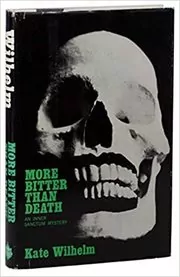
More Bitter Than Death
by Kate Wilhelm
1963
Wilhelm's first novel is a straight mystery, built around a violent death and the people trapped in its wake. It is less about flashy tricks than the slow uncovering of motive, fear, and hard truth.
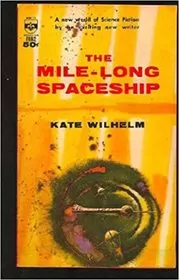
The Mile-Long Spaceship
by Kate Wilhelm
1963
An early collection of Kate Wilhelm's short science fiction, including the title story, Andover and the Android, and several other sharp, unsettling tales. These stories show her interest in automation, space travel, and the strange pressure of new ideas on ordinary lives.
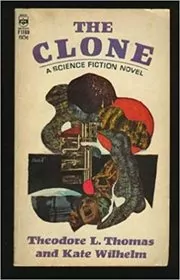
The Clone
by Kate Wilhelm
1965
An accidental life-form begins in a Chicago sewer and grows into a ravenous, city-devouring horror. Part monster story and part urban catastrophe novel, it turns one grotesque scientific accident into a race for survival.
Andover and the Android
by Kate Wilhelm
1966
A UK retitling of Wilhelm's early story collection, centered on speculative tales about crime, punishment, automation, and identity. The title story gives a good sense of her early interest in what technology does to the human self.
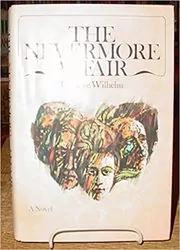
The Nevermore Affair
by Kate Wilhelm
1966
A plane carrying top biochemists seems to vanish off the North Carolina coast, but the truth is stranger. The scientists are alive inside a hidden underground colony, where Project Nevermore is preparing a world-shaking experiment.
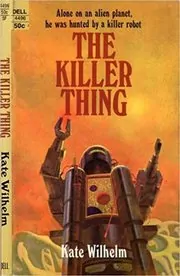
The Killer Thing
by Kate Wilhelm
1967
A trained human killer and a revenge-driven robot are set on a collision course at the edge of empire. Wilhelm turns the showdown into a tense survival story about war, programming, and what happens when both sides are built to destroy.
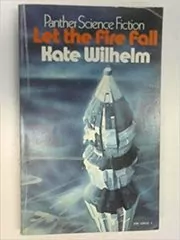
Let the Fire Fall
by Kate Wilhelm
1969
An alien spaceship crashes into a cornfield, leaving only one survivor, a newborn child. That arrival reshapes the world for decades, stirring fear, conflict, and social upheaval far beyond the first landing site.
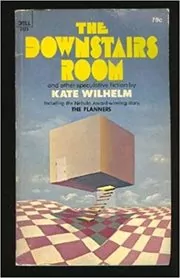
The Downstairs Room
by Kate Wilhelm
1970
A collection of speculative stories featuring mad machines, altered animals, uncanny children, and space-age dread. It is an early showcase for Wilhelm's talent for making strange ideas feel immediate and human.
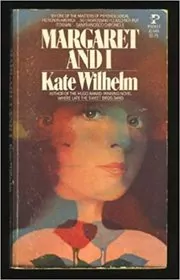
Margaret and I
by Kate Wilhelm
1971
Margaret's own subconscious seems to develop a voice and a will of its own, pushing her toward hysteria and change. Wilhelm uses the setup to explore identity, fear, and the fragile borders inside the mind.
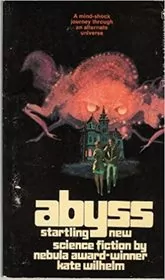
Abyss
by Kate Wilhelm
1973
A pair of novellas moves through extrasensory perception, alternate realities, alien menace, and inner collapse. The real abyss here is not only out in the unknown, but close to home and possibly inside the self.
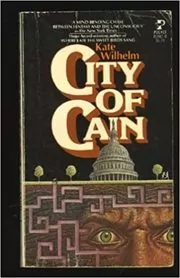
City of Cain
by Kate Wilhelm
1974
Peter Roos can hear other people's thoughts, and that unwanted gift lets him uncover a secret plan for an underground city reserved for the powerful. Once the government knows he knows, staying alive becomes the whole game.
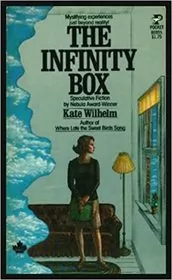
The Infinity Box
by Kate Wilhelm
1975
This collection gathers nine speculative stories that lean toward mind control, altered perception, and the quiet horrors hidden inside systems of belief. Wilhelm keeps the scale intimate even when the ideas are huge.
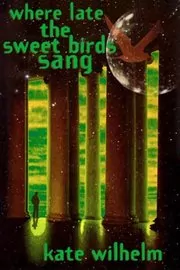
Where Late The Sweet Birds Sang
by Kate Wilhelm
1975
After global collapse, a Virginia family turns to cloning as a way to survive. What begins as a practical answer becomes a haunting story about individuality, conformity, and the cost of preserving humanity by copying it.
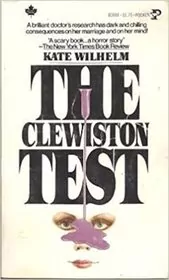
The Clewiston Test
by Kate Wilhelm
1976
Young scientist Anne Clewiston makes a medical breakthrough that could bring enormous power and profit. Before it can change the world, she has to face questions of safety, ambition, and what politics does to science.
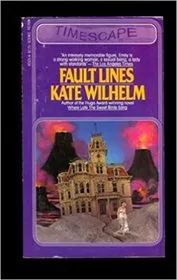
Fault Lines
by Kate Wilhelm
1977
A psychological suspense novel about the hidden cracks inside family life and belief. Wilhelm is less interested in gadgets here than in pressure, memory, and the dangerous things people build inside themselves.
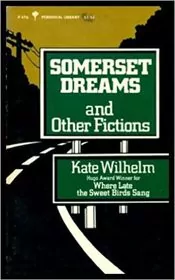
Somerset Dreams and Other Fictions
by Kate Wilhelm
1978
A collection of shorter fiction that drifts through dreams, memory, small-town unease, and quiet speculative turns. Several pieces blur the line between psychological realism and the uncanny without losing their human center.
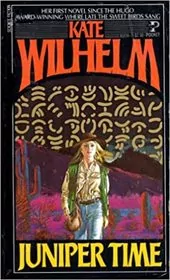
Juniper Time
by Kate Wilhelm
1979
With the western United States devastated by drought, the future looks broken on Earth and uncertain in orbit. A mysterious artifact and the one woman who may understand it turn this into a bleak, searching novel about survival and possibility.
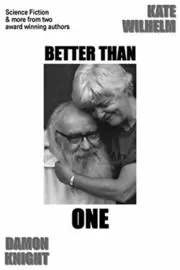
Better Than One
by Kate Wilhelm
1980
A collaboration with Damon Knight that uses a speculative setup to explore identity, partnership, and survival. The big idea matters, but so do the personal costs of being divided, doubled, or forced to share a life.
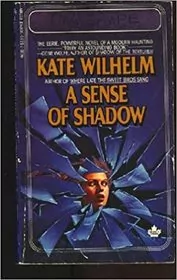
A Sense of Shadow
by Kate Wilhelm
1981
Four estranged children gather at their father's deathbed and inherit a fortune loaded with one last cruelty. What follows is part family reckoning and part eerie experiment, with sanity itself put on the table.
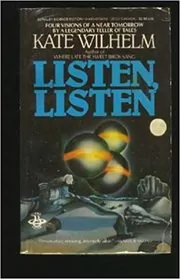
Listen, Listen
by Kate Wilhelm
1981
Four novellas, including The Winter Beach, Julian, With Thimbles, with Forks and Hope, and Moongate, make up this varied collection. It ranges from suspense to speculative mystery while showing how wide Wilhelm's short fiction could stretch.

The Winter Beach
by Kate Wilhelm
1981
A young woman leaves university life behind and gets drawn into a covert investigation with unexpectedly large implications. Wilhelm uses the cloak-and-dagger setup to build suspense that feels more intimate than flashy.
Oh, Susannah!
by Kate Wilhelm
1982
Susannah runs from her husband, loses her memory, and stumbles into a strange new version of America. Amnesia, thieves, terrorists, and an unlikely romance give this one a restless, off-center energy.
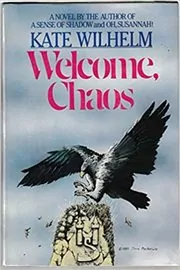
Welcome, Chaos
by Kate Wilhelm
1983
When an isolated woman learns of a secret linked to immortality, infertility, and immunity to radiation, Cold War politics close in fast. Wilhelm turns the premise into a tense question about power and who should ever control it.
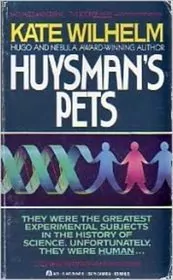
Huysman's Pets
by Kate Wilhelm
1985
Biographer Drew Lancaster starts sorting through the papers of Nobel laureate Stanley Huysman and uncovers proof of telepathic genetic experiments. The science is real, the assistant is dangerous, and the children touched by the work are in immediate peril.
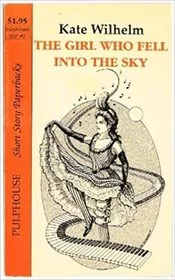
The Girl Who Fell Into the Sky
by Kate Wilhelm
1986
A trip to collect an old player piano becomes something far stranger when John MacLaren walks into buried family history and uncanny prairie visions. This award-winning novella mixes ghostly atmosphere with a deeply personal mystery.
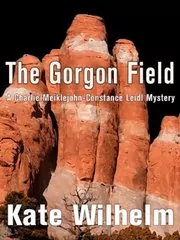
The Gorgon Field
by Kate Wilhelm
1986
Charlie Meiklejohn and Constance Leidl head into the Arizona desert for a mystery with an eerie, almost mythical edge. The landscape is stark, the clues are strange, and reason has to work harder than usual.
The Hills Are Dancing
by Kate Wilhelm
1986
A quieter novel of people carrying old wounds into a place that seems to remember more than it should. Wilhelm builds suspense through mood, family strain, and the sense that the landscape itself is not done with the past.

Forever Yours, Anna
by Kate Wilhelm
1987
A handwriting expert becomes obsessed with censored letters written by a woman named Anna after a scientist vanishes in an explosion. The search turns into a moving little puzzle about time travel, fate, and love.
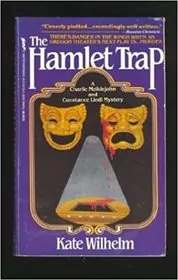
The Hamlet Trap
by Kate Wilhelm
1987
At an Oregon theater, two deaths leave suspicion circling around set designer Ginnie and the people closest to her. Charlie Meiklejohn and Constance Leidl arrive to untangle performance, family ties, and murder behind the scenes.
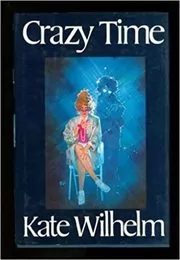
Crazy Time
by Kate Wilhelm
1988
Seattle psychologist Lauren Steele thinks she is losing her mind when a red-haired ghost starts following her. Instead, she has stumbled into an experimental disaster, a Pentagon problem, and a man trying to reach her from beyond normal reality.
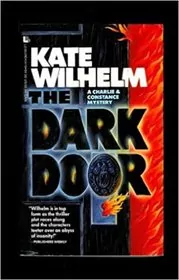
The Dark Door
by Kate Wilhelm
1988
Charlie and Constance follow the trail of a suspected serial arsonist burning abandoned buildings where madness and violence seem to erupt. The answer turns out to involve not just crime, but a malfunctioning alien probe.
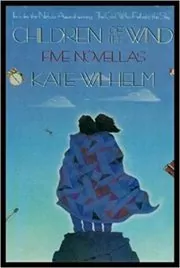
Children of the Wind
by Kate Wilhelm
1989
A collection of five stories that ranges from eerie twins and desert mysteries to ruined futures and uncanny perception. It includes The Gorgon Field and The Girl Who Fell Into the Sky, two of Wilhelm's best-known shorter works.
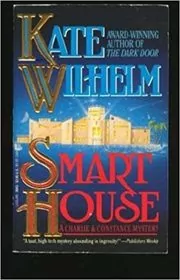
Smart House
by Kate Wilhelm
1989
A millionaire's fully automated home is supposed to be a marvel, until it becomes the center of murder. Charlie Meiklejohn and Constance Leidl face a suspect list full of motives and alibis as carefully constructed as the house itself.
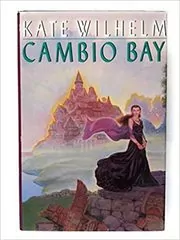
Cambio Bay
by Kate Wilhelm
1990
Secrets, pressure, and shifting loyalties drive this tense novel toward violence. Wilhelm keeps the focus on the people caught in the middle, where old damage and present danger start feeding each other.
Sweet, Sweet Poison
by Kate Wilhelm
1990
Charlie Meiklejohn and Constance Leidl step into a case where ordinary relationships hide bitterness, fear, and lethal intent. Wilhelm keeps the puzzle close to the people, letting the danger seep out slowly.
Death Qualified
by Kate Wilhelm
1991
Former lawyer Barbara Holloway is pulled back into practice when her father asks her to defend Nell Kendricks, accused of killing the husband who suddenly returned after years away. The case leads into missing years, buried secrets, and a legal fight Barbara cannot leave alone.
And the Angels Sing
by Kate Wilhelm
1992
Twelve stories from across Wilhelm's career, including Forever Yours, Anna and several other pieces that move from grief to humor to unease. It is a good sampler of how flexible and unpredictable her short fiction can be.
Naming the Flowers
by Kate Wilhelm
1992
A haunting shorter work about memory, loss, and the traces people leave behind. Wilhelm keeps the scale intimate, letting emotion and unease do as much work as the speculative idea at its center.

Seven Kinds of Death
by Kate Wilhelm
1992
Constance visits an artist friend at a Maryland farmhouse and walks straight into vandalized artwork, a missing woman, and a murder. Charlie joins her, and the two have to sort through lies, strained relationships, and a house full of tension.
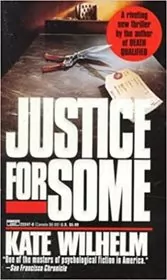
Justice for Some
by Kate Wilhelm
1993
A murder case exposes the distance between the law on paper and the justice people actually receive. Wilhelm leans into motive, pressure, and the hard choices that come when the system itself feels uneven.
I Know What You’re Thinking
by Kate Wilhelm
1994
An envoy from the Ekumen is sent into the old slave society of Werel. Diplomacy, memory, and the possibility of forgiveness make every conversation dangerous.

The Best Defense
by Kate Wilhelm
1994
Barbara Holloway takes on the defense of Paula Kennerman, a battered woman accused of killing her young daughter and setting fire to a safe house. What looks open-and-shut becomes a fierce case about abuse, power, and who gets believed.
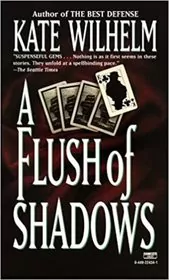
A Flush of Shadows
by Kate Wilhelm
1995
Five short mysteries featuring Constance Leidl and Charlie Meiklejohn, each one compact, character-driven, and quietly tense. The shorter form lets Wilhelm sharpen the couple's chemistry and her taste for unsettling puzzles.
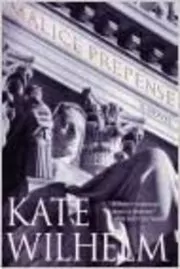
Malice Prepense
by Kate Wilhelm
1995
Barbara Holloway defends a man with the mind of a child after he is charged with murdering an Oregon senator. The case forces her to cut through politics, prejudice, and assumptions about guilt.
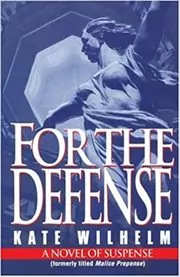
For the Defense
by Kate Wilhelm
1996
Barbara Holloway defends a man with the mind of a child after he is charged with murdering an Oregon senator. The case forces her to cut through politics, prejudice, and assumptions about guilt.
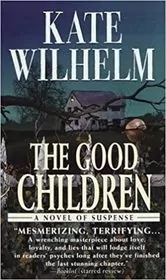
The Good Children
by Kate Wilhelm
1998
After losing first their father and then their mother, four siblings try to survive alone in an old house outside Portland. Their secret life becomes both heartbreaking and suspenseful as childhood and grief harden into something stranger.
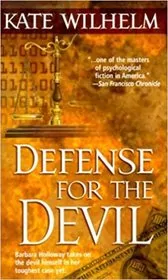
Defense for the Devil
by Kate Wilhelm
1999
When a killing grows out of fear and long-standing damage, Barbara Holloway is drawn into a case where evil feels close and personal. The deeper she digs, the more the past refuses to stay buried.

Moongate
by Kate Wilhelm
2000
Set in the mountains of the Northwest, this novella sends two men and one woman across strange boundaries in time and space. It begins in recognizable ground and then keeps widening the map.
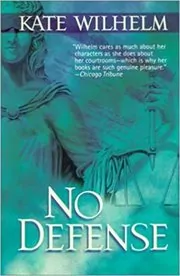
No Defense
by Kate Wilhelm
2000
Nurse Lara Jessup wakes to find her older husband dead in a van on a dangerous mountain road and herself at the center of suspicion. Barbara Holloway heads into a small Oregon town where too many people want the truth left alone.
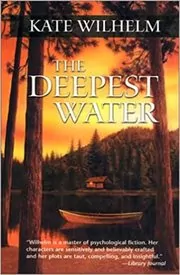
The Deepest Water
by Kate Wilhelm
2000
Abby Connors begins looking into the murder of her father, the writer Jud Connors, and quickly learns that his private life was more complicated than she knew. The case becomes a search through family damage as much as evidence.
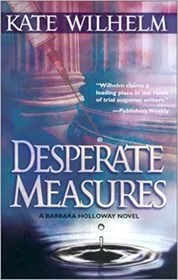
Desperate Measures
by Kate Wilhelm
2001
Barbara Holloway agrees to defend a badly disfigured man accused of murdering his neighbor. When the case twists and another suspect emerges, she finds herself battling not only the prosecution but her own father in court.
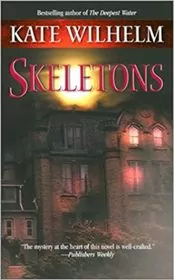
Skeletons
by Kate Wilhelm
2002
After accidentally causing a stalker's death, Marilee Donne learns he was really hunting evidence hidden in her grandfather's house. The trail leads to an old Klan lynching and a modern political figure who has a lot to lose.
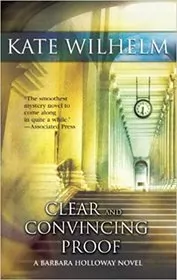
Clear and Convincing Proof
by Kate Wilhelm
2003
A murder tied to a rehabilitation clinic pulls Barbara Holloway into a knot of family money, loyalty, and competing visions for the clinic's future. The clues are there, but the people involved make every answer harder to trust.
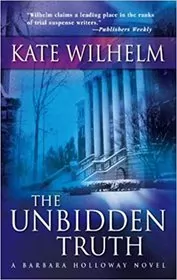
The Unbidden Truth
by Kate Wilhelm
2004
Barbara is hired through an anonymous patron to defend a gifted young pianist accused of murdering a piano-bar manager. As she investigates, a hidden past begins to explain why someone wants the wrong woman convicted.
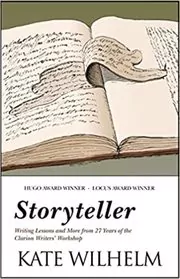
Storyteller
by Kate Wilhelm
2005
Part memoir and part writing guide, this book draws on Wilhelm's long years teaching at Clarion. It is full of practical lessons about craft, revision, reading closely, and what writers learn from one another.
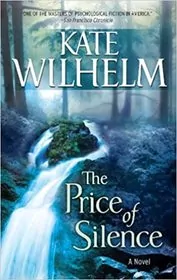
The Price of Silence
by Kate Wilhelm
2005
Todd Fielding takes a job at a small-town newspaper and expects boredom, not a missing girl and a string of older disappearances. As she digs into Brindle's past, the town's habit of keeping quiet starts to look dangerous.
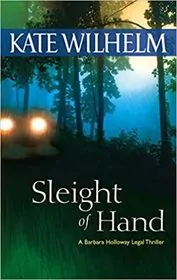
Sleight of Hand
by Kate Wilhelm
2006
What starts as an antique theft case for former pickpocket turned performer Wally Lederer soon darkens into something much bigger. Barbara Holloway has to look past appearances, old grudges, and stagecraft to see the real crime.
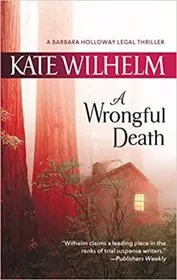
A Wrongful Death
by Kate Wilhelm
2007
Trying to rest at a remote retreat, Barbara Holloway instead finds a battered woman, a terrified boy, and a trail leading to kidnapping and attempted murder. Before long, she is not just on the case, she is a suspect.
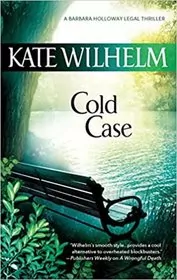
Cold Case
by Kate Wilhelm
2008
When controversial academic David Etheridge returns to Eugene and a state senator winds up dead, Barbara Holloway must defend him against both a new murder charge and an old unsolved one. Past and present start closing in at once.
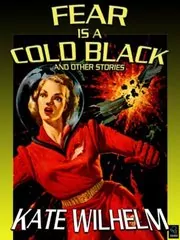
Fear is a Cold Black
by Kate Wilhelm
2010
A collection of Wilhelm's early science fiction stories, full of dark moods, strange encounters, and sharp little conceptual turns. It is a useful look at how her speculative instincts were taking shape from the start.
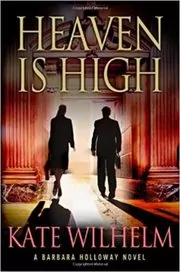
Heaven is High
by Kate Wilhelm
2011
Barbara Holloway tries to help Binnie Santos, a mute woman facing deportation, and soon uncovers a tangled history that reaches from Oregon to Belize and Haiti. Immigration trouble turns into a much larger story of corruption, violence, and survival.

All For One
by Kate Wilhelm
2012
A compact mystery from Wilhelm's shorter crime fiction, focused on the way a seemingly small problem opens into something more dangerous. The pleasure is in the pressure, the people, and the hidden motive.
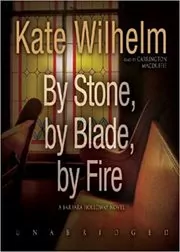
By Stone By Blade By Fire
by Kate Wilhelm
2012
Travis Morgan appears to have walked into his father's house and shot the wrong man in front of witnesses. Barbara Holloway takes the impossible case and finds that murder is only one part of a family history built on fear and control.
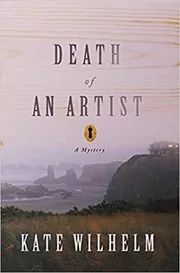
Death of an Artist
by Kate Wilhelm
2012
When artist Stef Markov dies after a fall, her mother refuses to accept that it was an accident. With the dead woman's paintings and estate suddenly contested, the hunt for proof becomes a quiet but determined murder investigation.
Music Makers
by Kate Wilhelm
2012
Five stories gathered in one volume, moving from art and imagination to everyday strangeness and speculative pressure. Even at short length, Wilhelm keeps the emotional stakes clear and close.
Sister Angel
by Kate Wilhelm
2012
One of Wilhelm's shorter mystery pieces, this story pairs an intimate setup with a sharp turn into menace. As usual, she lets personality and hidden history do much of the suspense work.
The Bird Cage
by Kate Wilhelm
2012
A later collection of four stories, each interested in the rules people live by and the small shocks that expose them. The pieces are compact, thoughtful, and edged with social unease.

The Fullness of Time
by Kate Wilhelm
2012
A science fiction novella about time, memory, and the people who want to control both. Wilhelm is interested less in flashy paradoxes than in the personal and moral cost of tampering with time.
Torch Song
by Kate Wilhelm
2012
A brief mystery marked by memory, obsession, and feelings that never cooled as much as they seemed to. Wilhelm keeps it lean, but there is still plenty of emotional heat under the surface.
Whisper Her Name
by Kate Wilhelm
2012
Charlie and Constance are hired to find five million dollars in cashier's checks supposedly hidden before a man's death. Their search in a college town pulls them into old family stories, missing women, and a curse that may hide a very human crime.
With Thimbles, With Forks, and Hope
by Kate Wilhelm
2012
What first looks like a fishing holiday turns into something much stranger once the boat is out on open water. Wilhelm starts with ordinary detail, then quietly shifts the story into another reality.
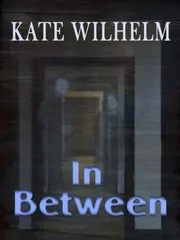
In Between
by Kate Wilhelm
2014
A brief Wilhelm work that sits in the space between realism and the uncanny. The story is less about spectacle than about what happens when ordinary life slips and something hard to explain starts pressing in.
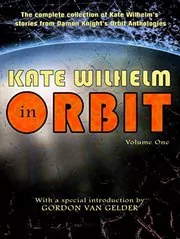
Kate Wilhelm in Orbit, Volume One
by Kate Wilhelm
2015
The first of two volumes collecting Wilhelm's stories from the Orbit years. It is a strong showcase for her shorter speculative fiction, where social tension and strange ideas keep crossing paths.
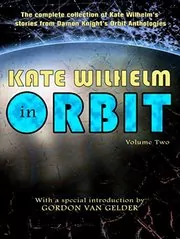
Kate Wilhelm in Orbit, Volume Two
by Kate Wilhelm
2015
The companion volume to Volume One, gathering more of Wilhelm's Orbit-period stories. Expect intelligent science fiction that stays close to character even when the premise goes large.
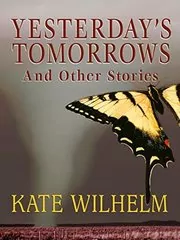
Yesterday's Tomorrows
by Kate Wilhelm
2015
A retrospective-style volume that looks back at futures once imagined and still unsettling. The stories show how good Wilhelm was at making tomorrow feel both strange and personal.
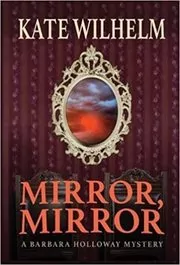
Mirror, Mirror
by Kate Wilhelm
2017
The death of a family matriarch and two brutal murders throw a successful nursery business into chaos. Defending the obvious suspect, Barbara Holloway must sort out secret wills, old greed, stolen art, and one very important mirror.

The House Share
by Kate Wilhelm
2022
A domestic suspense story in which sharing space also means sharing grief, secrets, and motives nobody is saying out loud. Home quickly becomes the last place anyone can fully relax.
Where to start with Kate Wilhelm
If you want her best-known science fiction: Where Late the Sweet Birds Sang → Juniper Time → Welcome, Chaos
If you prefer legal mysteries: Death Qualified → The Best Defense → Malice Prepense → Defense for the Devil
If you like private-investigator mysteries with a speculative edge: The Hamlet Trap → The Dark Door → Smart House
If you want a taste of her short fiction: The Mile-Long Spaceship → The Downstairs Room → And the Angels Sing
Kate Wilhelm sub-series and character series
Constance and Charlie books in order
Explore this seriesConstance and Charlie books in chronological order
Kate Wilhelm collections, short stories, and related book types
Short Stories/Novellas
Short Story Collections
Non-Fiction
Standalone Kate Wilhelm books
Author bio
Kate Wilhelm was born Katie Gertrude Meredith in Toledo, Ohio, on June 8, 1928, and grew up in Louisville, Kentucky. She did not come out of a ready-made science fiction world. By her own account, the public library opened that door for her, and it stayed open.
Before writing became her life, she worked a string of regular jobs. She modeled for a time, and also worked as a sales clerk, telephone operator, switchboard operator, and insurance underwriter.
Then came the turn. Her first published story, The Pint-Sized Genie, appeared in 1956, and more short fiction followed quickly. Her first novel, More Bitter Than Death, was a mystery. Soon after, she moved into science fiction too, including The Clone, written with Theodore L. Thomas.
She never stayed in one lane.
Many readers first meet Wilhelm through Where Late the Sweet Birds Sang, her 1976 novel about cloning, survival, and what happens when a community tries to answer catastrophe by copying itself. It won the Hugo Award and the Locus Award, and it is still the book most closely tied to her name. Other entry points show different sides of her work. Juniper Time looks at drought, collapse, and missed chances. Welcome, Chaos mixes Cold War tension with questions about immortality. Huysman's Pets turns strange science into a very human mess.
She was just as comfortable writing mysteries. Her Barbara Holloway novels follow an Oregon lawyer who keeps getting pulled back into hard cases, while the Constance Leidl and Charlie Meiklejohn books mix private investigation, psychology, and a light speculative edge. Even when she changed genres, certain interests stayed put: family pressure, moral choices, the hidden cost of power, and the way ordinary people react when the world goes strange.
In 1963 she married writer Damon Knight, and together they became central figures in the teaching side of science fiction. They helped build the Milford workshop and the Clarion Writers' Workshop, and over the years they mentored a long list of younger writers. Wilhelm later wrote about that experience in Storyteller, a book that is part writing guide and part record of how working writers learn from one another.
That work mattered as much as the novels.
Honors followed, but they came as facts, not as the whole story. Wilhelm was inducted into the Science Fiction and Fantasy Hall of Fame in 2003. She received one of the first Solstice Awards in 2009, and the award was renamed for her in 2016. She also won Nebula Awards for shorter fiction, including The Planners, The Girl Who Fell Into the Sky, and Forever Yours, Anna.
She spent much of her later life in Eugene, Oregon, where many of her mystery novels are set. After Knight died in 2002, she kept teaching and hosting workshops. She died in Eugene on March 8, 2018, after a career that ran for more than sixty years. What keeps readers coming back is simple: she could write about big ideas, but she never forgot the people living inside them.





Edited by
Software engineer whose passion for tracking book recommendations from podcasts inspired the creation of MRB.
Lead investor at 3one4 Capital whose startup expertise and love for books helped shape MRB and its growth.
Comments
Did we miss something? Have feedback?
Help us improve this page by sharing your thoughts