
Fred Rogers Parenting Books in Order
Part ofFred Rogers Books in OrderThis page lists the Fred Rogers Parenting books by Fred Rogers in order, with short summaries, series background, and where-to-start help for families.
Last updated:
As an Amazon Associate, we earn from qualifying purchases (at no extra cost to you).
Fred Rogers Parenting books in publication order
9 books
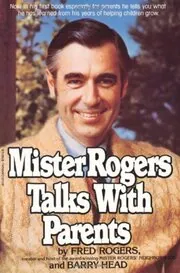
Mister Rogers Talks with Parents
by Fred Rogers
1985
Rogers speaks directly to parents about children's feelings, behavior, and need for dependable adults. The tone is practical and calm, with an emphasis on listening before rushing to solve every problem.
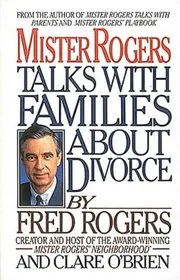
Mister Rogers Talks with Families about Divorce
by Fred Rogers
1987
This family resource helps adults talk with children about divorce in honest, reassuring ways. Rogers centers children's fears and questions while encouraging grown-ups to keep communication open during a hard transition.
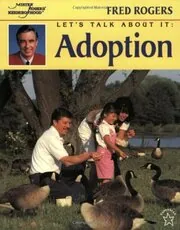
Let's Talk About It: Adoption
by Fred Rogers
1995
Rogers answers common questions children may have about adoption with clear, reassuring language. The book supports open family conversations about belonging, love, birth parents, and the many ways families are formed.

Let's Talk About It: Divorce
by Fred Rogers
1996
This gentle guide helps children face the fear, sadness, and anger that can come with divorce. Rogers keeps the focus on honest talk, continuing love, and the child's right to have feelings.
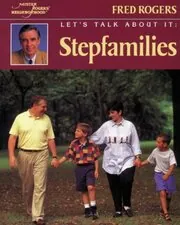
Let's Talk about It: Stepfamilies
by Fred Rogers
1997
Rogers helps children and adults talk about the mixed feelings that can come with joining a stepfamily. The book makes room for hope, confusion, loyalty, change, and the time new bonds need.
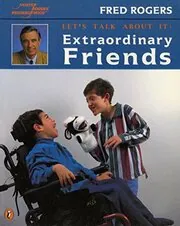
Let's Talk about It:Extraordinary Friends
by Fred Rogers
2000
This photo-based book introduces children with and without disabilities. Rogers encourages curiosity, respect, and friendship, helping young readers see that getting to know someone matters more than noticing differences first.
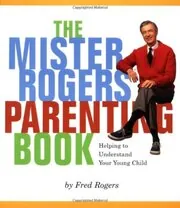
Helping To Understand Your Young Child
by Fred Rogers
2002
Rogers looks at young children's behavior through feelings, development, and family stress. Topics include rules, bedtime, moving, medical visits, television, and the everyday moments that test parents' patience.
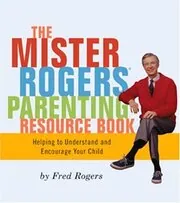
Mr. Rogers Parenting Resource Book
by Fred Rogers
2005
This parent-focused resource brings together Rogers' guidance on everyday family life and difficult moments. It helps adults understand children's feelings while offering practical ways to respond with honesty and care.
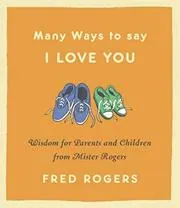
Many Ways to Say I Love You
by Fred Rogers
2006
A collection of Rogers' reflections on parenting, childhood, listening, and love. Drawn from speeches, writings, songs, and television work, it offers calm encouragement for adults raising or caring for children.
Fred Rogers Parenting books in chronological order
Series background & context
The Fred Rogers Parenting books are not a story series in the usual sense. They are a group of practical, feeling-centered guides for adults who care for young children. Rogers brings the same calm approach that shaped Mister Rogers' Neighborhood, then turns it toward the questions parents ask at home, often when everyone is tired, worried, or unsure what to say next.
The core idea is simple: children handle life better when adults tell the truth kindly.
Books such as Helping To Understand Your Young Child and Mr. Rogers Parenting Resource Book look at everyday family pressure points, including bedtime, limits, mealtimes, television, a new baby, moving, doctor visits, and divorce. Rogers does not offer a one-size-fits-all script. Instead, he helps adults think about what a child may be feeling beneath the behavior, and why a grown-up's own feelings can make a hard moment harder.
The First Experiences books sit close to this parenting work. Titles like Going to Day Care, Going to the Potty, Going to the Doctor, Going to the Dentist, and Going to the Hospital use clear language and real-life situations to prepare children for unfamiliar places. They also give parents a starting point for conversation, which is often the hardest part.
There is a lot of permission in these books.
Rogers gives children permission to feel jealous of a new baby, sad about a pet, scared of a hospital, or confused by divorce. Just as important, he gives adults permission to slow down and listen before they rush to fix everything. That makes the books useful for parents, teachers, grandparents, counselors, and anyone else trying to help children name feelings without being swallowed by them.
Many Ways to Say I Love You gathers Rogers' broader thoughts on family life, love, listening, and growing together. It is less of a step-by-step manual and more of a companion for adults who want to keep the emotional life of children in view. Across the parenting books, the message stays steady: children need limits, honesty, safety, and affection. They also need grown-ups who can admit that growing is hard work for everybody.














Edited by
Software engineer whose passion for tracking book recommendations from podcasts inspired the creation of MRB.
Lead investor at 3one4 Capital whose startup expertise and love for books helped shape MRB and its growth.
Comments
Did we miss something? Have feedback?
Help us improve this page by sharing your thoughts