
Joseph Jefferson Farjeon Books in Order
Explore Joseph Jefferson Farjeon books in order, with short summaries, Ben the Tramp links, series background, and tips on where to start.
Last updated:
As an Amazon Associate, we earn from qualifying purchases (at no extra cost to you).
Joseph Jefferson Farjeon books in publication order
48 books

The Confusing Friendship
by Joseph Jefferson Farjeon
1924
An early Farjeon novel in which friendship turns tangled, uncertain, and increasingly risky. The suspense grows out of divided loyalties and the question of who can really be trusted.
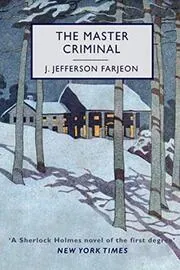
The Master Criminal
by Joseph Jefferson Farjeon
1924
Farjeon's first crime novel plays with identity by setting a master detective against a master criminal who is closer to him than anyone suspects. A stolen ruby and an imposter at the center keep the plot moving.

The Crooks' Shadow
by Joseph Jefferson Farjeon
1925
This early thriller keeps one eye on the criminal underworld and the other on the fear it leaves behind. Farjeon builds suspense from threat, pursuit, and the feeling that trouble is always just offstage.

Uninvited Guests
by Joseph Jefferson Farjeon
1925
At Brambles, a shabby but comfortable country house, unexpected visitors keep arriving on impossible errands. What begins as an eccentric gathering turns into a tense country-house mystery.
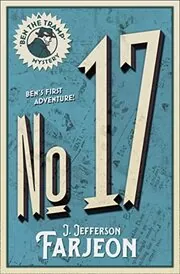
No. 17
by Joseph Jefferson Farjeon
1926
Back from the Merchant Navy and broke as ever, Ben shelters in an empty London house and finds a corpse. When the body vanishes, he is pulled into a gang's hidden operations at No. 17.

More Little Happenings
by Joseph Jefferson Farjeon
1928
A lighter Farjeon book made up of small incidents, odd turns, and complications that refuse to stay small. Much of the charm is in the wit, the observation, and the quiet surprises.
Mystery Underground / Underground
by Joseph Jefferson Farjeon
1928
Farjeon takes the action below ground and turns an everyday setting into a place of pursuit and fear. It is a brisk thriller, with claustrophobia and sudden danger doing much of the work.

Shadows by the Sea
by Joseph Jefferson Farjeon
1928
Sea air and seaside unease shape this atmospheric mystery. Farjeon uses the coast, with its beauty, isolation, and half-hidden dangers, to keep the story shadowed and tense.
The House of Disappearance
by Joseph Jefferson Farjeon
1928
A house at the center of vanishings and unanswered questions gives Farjeon a perfect premise. The mystery deepens as the building itself starts to feel like part of the crime.

The Appointed Date
by Joseph Jefferson Farjeon
1929
Everything here turns on a fixed date that people dread, await, or try to outmaneuver. Farjeon uses the ticking-clock setup to tighten nerves and expose hidden motives.

The Person Called Z
by Joseph Jefferson Farjeon
1929
An enigmatic figure known only as Z stands at the center of this identity-driven mystery. Farjeon leans into secrecy, misdirection, and the danger of not knowing who someone really is.

Following Footsteps
by Joseph Jefferson Farjeon
1930
A more reflective Farjeon tale about lives repeating old patterns and the pull of the past. Suspense grows as one character follows a trail that seems to have been laid down years before.
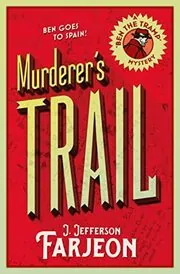
Murderer’s Trail / Phantom Fingers
by Joseph Jefferson Farjeon
1931
Hungry and on the run, Ben stows away on a ship bound for Spain, only to learn a wanted murderer is aboard as well. The voyage becomes a lively tangle of thieves, danger, and pure bad luck.
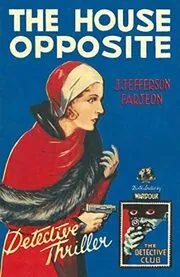
The House Opposite
by Joseph Jefferson Farjeon
1931
Living in a nearly empty London street, Ben notices knocks, creaks, and stranger goings-on in the house across from him. A message from a beautiful woman draws him into a mystery that feels risky from the start.
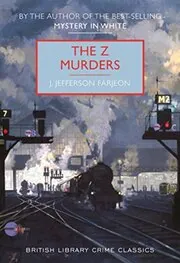
The Z Murders
by Joseph Jefferson Farjeon
1931
Richard Temperley barely notices his bad-tempered fellow passenger until the man is shot through a hotel window after their train reaches foggy London. The case begins with one baffling death and opens onto a deeper mystery.
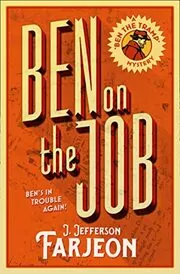
Ben on the Job
by Joseph Jefferson Farjeon
1932
Ben knows itchy thumbs mean trouble, and he is right when a foggy afternoon leaves him wanted by the police. Hiding in a deserted house, he finds a corpse and lands in far more danger than he bargained for.
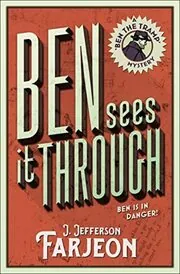
Ben Sees It Through
by Joseph Jefferson Farjeon
1932
Back from Spain, Ben accepts a possible job from a stranger on a cross-Channel boat, only to find the man murdered in a taxi at Southampton. Hunted by both police and shadowy enemies, he has to blunder his way through blackmail and conspiracy.
Death in Fancy Dress / Fancy Dress Ball
by Joseph Jefferson Farjeon
1933
A costume ball gives everyone a mask, and Farjeon makes full use of the confusion. Beneath the party glitter sits a neat murder puzzle about identity, performance, and deception.
Old Man Mystery
by Joseph Jefferson Farjeon
1933
Farjeon builds this puzzle around an older figure whose past clearly matters more than it first appears. Hidden histories and guarded loyalties keep the case moving.
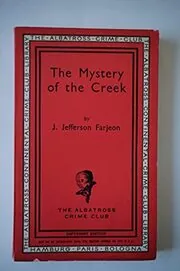
The Mystery of the Creek
by Joseph Jefferson Farjeon
1933
A waterlogged setting and a sense of isolation give this mystery its pull. Farjeon turns the creek and surrounding marshland into part of the danger as secrets begin to surface.

Sinister Inn
by Joseph Jefferson Farjeon
1934
An inn, a bad feeling, and the sense that something is off from the first page, that is the setup here. Farjeon uses the isolated stopover to build a tight, uneasy mystery.
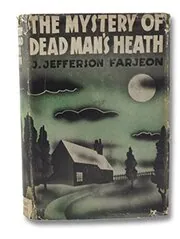
The Mystery of Dead Man's Heath / Dead Man's Heath
by Joseph Jefferson Farjeon
1934
A lonely heath and an old death give this mystery its bleak atmosphere. Farjeon layers secrets, local unease, and fresh danger over a case that refuses to stay buried.
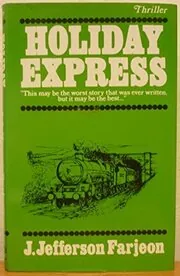
Holiday Express
by Joseph Jefferson Farjeon
1935
A holiday journey becomes a pressure cooker of suspicion, chance meetings, and danger in transit. Farjeon enjoys the way travel traps strangers together until one of them has reason to panic.
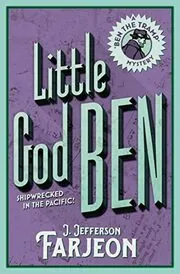
Little God Ben
by Joseph Jefferson Farjeon
1935
Trying to steady his life, Ben takes work on a ship and ends up wrecked in the Pacific. On an island where he bluffs his way into godlike status, comedy and danger keep colliding.
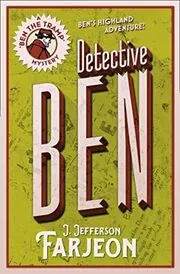
Detective Ben
by Joseph Jefferson Farjeon
1936
Ben survives a brush with death on a London bridge and is swept into a case involving a suspicious lady and international conspirators. The story carries him from London to the Scottish mountains, with plenty of chaos on the way.
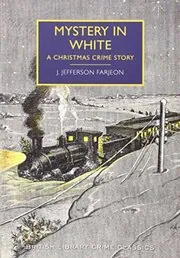
Mystery in White
by Joseph Jefferson Farjeon
1937
A snowbound train leaves several passengers stranded on Christmas Eve, and they take refuge in a country house that seems recently occupied but utterly empty. Then murder reaches the house, and the holiday turns eerie fast.
The Compleat Smuggler
by Joseph Jefferson Farjeon
1938
Farjeon turns smuggling into the center of a lively adventure, with hidden cargo, secret dealings, and coastal danger never far away. The fun comes from the mix of criminal intrigue and brisk momentum.
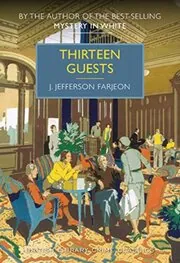
Thirteen Guests
by Joseph Jefferson Farjeon
1938
A glamorous country-house weekend turns sinister after an injured stranger becomes the unlucky thirteenth guest. With paintings slashed, secrets surfacing, and murder in the house, Inspector Kendall has to untangle everyone's past.
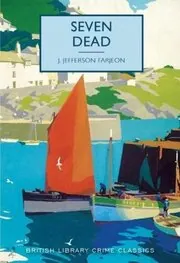
Seven Dead
by Joseph Jefferson Farjeon
1939
A petty thief stumbles on a locked room holding seven bodies, and what looks simple quickly turns baffling. Inspector Kendall and a journalist dig through a mass death that could be suicide, murder, or something stranger.

Aunt Sunday Takes Command / Aunt Sunday Sees It Through
by Joseph Jefferson Farjeon
1940
Aunt Sunday steps into a crisis with more nerve and common sense than anyone expects. Farjeon mixes domestic comedy with real danger as she refuses to leave a mystery alone.
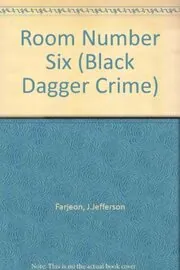
Room Number Six
by Joseph Jefferson Farjeon
1941
A chase-and-romance mystery with a Hitchcockian streak, built around the danger attached to room number six. Farjeon keeps the pace high, mixing pursuit, attraction, and sudden reversals.
The Third Victim
by Joseph Jefferson Farjeon
1941
When violence strikes more than once, the fear of who comes next becomes part of the puzzle. Farjeon builds tension through mounting panic and a suspect list that keeps widening.
The Judge Sums Up
by Joseph Jefferson Farjeon
1942
A courtroom-flavoured mystery in which the legal reckoning is only part of the story. Farjeon is just as interested in the buried motives and uneasy testimony that lead up to judgment.
Murder at a Police Station
by Joseph Jefferson Farjeon
1943
A killing inside a police station turns the safest place in town into the most awkward crime scene. Writing as Anthony Swift, Farjeon uses the setting to make every question feel uncomfortably close to home.
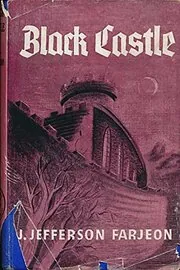
Black Castle
by Joseph Jefferson Farjeon
1944
An isolated castle gives Farjeon exactly the kind of setting he loves, eerie, enclosed, and full of secrets. The mood is heavy with suspicion long before the danger becomes clear.

Rona Runs Away
by Joseph Jefferson Farjeon
1945
When Rona bolts from trouble, the escape only leads her into deeper uncertainty. Farjeon turns her flight into a brisk suspense story of pursuit, shifting loyalties, and nerves stretched thin.
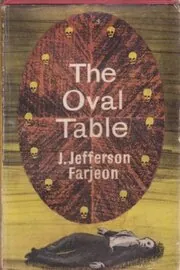
The Oval Table
by Joseph Jefferson Farjeon
1946
A closed-circle mystery in which old connections, quiet rivalries, and guarded conversations matter as much as the crime itself. Farjeon uses the social setting to keep everyone under suspicion.
Back to Victoria
by Joseph Jefferson Farjeon
1947
A later manor mystery about returning to old ground and finding that the past has not stayed buried. Farjeon mixes atmosphere, family secrets, and present-day danger inside a country-house setting.
The Works of Smith Minor
by Joseph Jefferson Farjeon
1947
A quirky Farjeon mystery built around the papers, reputation, and private life of Smith Minor. What starts as curiosity soon opens into concealed motives and a more dangerous story.

Prelude to Crime
by Joseph Jefferson Farjeon
1948
This is Farjeon in slow-burn mode, where the warning signs arrive before the crime does. Suspicion deepens bit by bit until the earlier unease proves justified.

The Llewellyn Jewel Mystery
by Joseph Jefferson Farjeon
1948
A missing jewel sets off a brisk Farjeon puzzle full of false leads, hidden motives, and mounting pressure. The pleasure lies in watching a glittering object pull a whole tangle of people into danger.
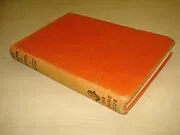
The Shadow of Thirteen
by Joseph Jefferson Farjeon
1949
At Gatleigh Hall, the anniversary of an old death and disappearance keeps dragging Lady Chelwyn back to the past. Farjeon builds a chilly mystery from superstition, memory, and the question of what really happened thirteen years earlier.

Mystery on Wheels
by Joseph Jefferson Farjeon
1951
A fast-moving mystery driven by travel, motion, and the sense that danger is always arriving a moment too soon. Farjeon turns the journey itself into part of the trap.
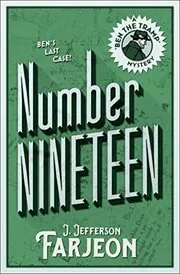
Number Nineteen
by Joseph Jefferson Farjeon
1952
Ben is sitting in a park thinking about lucky and unlucky numbers when the stranger beside him is murdered before his eyes. That chance encounter pulls him into one frantic final case centered on No. 19 Billiter Road.
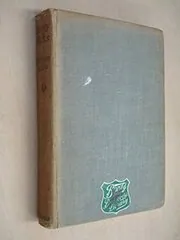
Money Walks
by Joseph Jefferson Farjeon
1953
Money is the engine of this later suspense novel, setting greed, secrecy, and pursuit in motion. Farjeon treats cash itself as a dangerous trail, one that leads straight toward fraud, fear, and crime.

The Double Crime
by Joseph Jefferson Farjeon
1953
A compact later mystery built around two linked crimes and the puzzle of how they fit together. Farjeon keeps the pressure on with deception, shifting suspicion, and a solution that depends on seeing both cases at once.
Bob Hits the Headlines
by Joseph Jefferson Farjeon
1954
A later Farjeon mystery in which sudden publicity brings Bob unwanted attention and real danger. Crime, exposure, and quick complications keep the story moving as private trouble becomes public news.

Riddle of an Umbrella
by Joseph Jefferson Farjeon
2026
An ordinary umbrella becomes the key to an oddly satisfying little puzzle. Farjeon turns a small object into the starting point for secrecy, deduction, and trouble.
Where to start with Joseph Jefferson Farjeon
If you want his best-known winter mystery: Mystery in White → Thirteen Guests → Seven Dead
If you want Ben from the beginning: No. 17 → The House Opposite → Murderer’s Trail / Phantom Fingers → Ben Sees It Through
If you like eerie standalone puzzles: The Z Murders → Room Number Six → The Shadow of Thirteen
If you want later suspense: The Judge Sums Up → Black Castle → The Oval Table
Joseph Jefferson Farjeon sub-series and character series
Joseph Jefferson Farjeon collections, short stories, and related book types
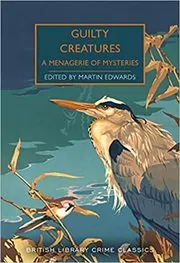
British Library Crime Classics
Short Stories/Novellas
Standalone Joseph Jefferson Farjeon books
Author bio
Joseph Jefferson Farjeon was born in Hampstead, London, on June 4, 1883, into a family where books and the stage were part of everyday life. He was named after his maternal grandfather, the American actor Joseph Jefferson, so theatre was in the family story before he wrote a line.
His father was the novelist Benjamin Leopold Farjeon, and he grew up among siblings who would also go into the arts. Eleanor Farjeon became a beloved children's writer, Herbert Farjeon became a playwright and man of the theatre, and Harry Farjeon became a composer. Farjeon was privately educated, and London gave him the kind of mixed backdrop that later suits his fiction so well, literary, theatrical, ordinary, and a little shadowy around the edges.
Before he became a full-time novelist, he spent about ten years doing editorial work for Amalgamated Press in London. That sort of job tends to teach two useful habits, speed and discipline. Farjeon seems to have kept both for the rest of his career, writing steadily and treating the desk as a workplace rather than a shrine to inspiration.
He wrote a lot.
Farjeon moved easily between plays, screen work, short fiction, and novels, but crime is what readers most often come to him for now. His 1925 stage hit No. 17 helped make his name, and the story later reached film audiences through Alfred Hitchcock's Number Seventeen. That success says a lot about what Farjeon was good at, strange settings, quick movement, a sense of lurking danger, and characters who find themselves far deeper in trouble than they expected.
That mix became his signature.
Books like Mystery in White, Thirteen Guests, Seven Dead, and The Z Murders show his range within mystery fiction. He liked stranded groups, country houses, trains, inns, suspicious strangers, and plots that begin with one sharp shock and keep tightening from there. Readers still enjoy the way his stories move. The sentences are clean, the setups are strong, and even when the situations get extravagant, they stay readable, lively, and fun.
He also had a lighter side. Farjeon was one of the early crime writers to mix mystery with romance and humor, and nowhere is that clearer than in the Ben books, from No. 17 and The House Opposite to Ben Sees It Through and Number Nineteen. Ben is a broke ex-sailor and reluctant sleuth who keeps stumbling into crimes, and the series lets Farjeon be tense, funny, and unexpectedly warm at the same time.
Across dozens of novels, he kept returning to a few favorite pleasures: lonely places, ordinary people caught in extraordinary trouble, hidden identities, and the thin line between comedy and fear. Even when the stories move to ships, seaside towns, or the Scottish hills, they still feel unmistakably his. He liked atmosphere, momentum, and the moment when a harmless detail turns out not to be harmless at all.
His own family life stayed close to the arts as well. He married Frances Wood, and their daughter, Joan Jefferson Farjeon, later worked in the theatre as a designer. Farjeon spent his later years in Sussex and died in Hove on June 6, 1955. For a long time many of his books were hard to find, but reissues of Mystery in White and other titles have helped bring him back to readers who enjoy clever, old-fashioned suspense with real pace.


Edited by
Software engineer whose passion for tracking book recommendations from podcasts inspired the creation of MRB.
Lead investor at 3one4 Capital whose startup expertise and love for books helped shape MRB and its growth.
Comments
Did we miss something? Have feedback?
Help us improve this page by sharing your thoughts