
Joseph Heller Books in Order
Browse Joseph Heller books in order, with quick summaries, Catch-22 series notes, and a simple guide to where to start with his fiction and memoirs.
Last updated:
As an Amazon Associate, we earn from qualifying purchases (at no extra cost to you).
Joseph Heller books in publication order
10 books
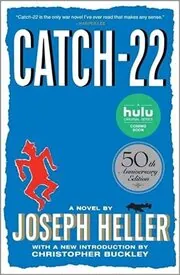
Catch-22
by Joseph Heller
1961
On a small island off Italy during World War II, bombardier Yossarian tries to stay alive while military bureaucracy keeps inventing new reasons he has to keep flying. Funny, furious, and unsettling, it's a war novel about absurd rules and ordinary fear.
Recommended by
4 people Shah Rukh Khan recommended this book
Shah Rukh Khan
"I am re reading now." - Shah Rukh Khan
Shah Rukh Khan's recommendation of this book  Larry Ellison recommended this book
Larry Ellison
"I think [Bill Gates] must be some kind of reincarnation of Milo Minderbinder from [this book]." - Larry Ellison
Larry Ellison's recommendation of this book  Mark Bittman recommended this book
Mark Bittman
"I used to buy [this book] for a lot of people because I just thought if you hadn’t read it, you had to but maybe that era is over." - Mark Bittman
Mark Bittman's recommendation of this book  Fred Wilson recommended this book
Fred Wilson
"A good one!" - Fred Wilson
Fred Wilson's recommendation of this book
Something Happened
by Joseph Heller
1974
Bob Slocum seems to have the American dream, a family, a career, a house, and affairs on the side. Inside his head, though, everything is curdling into dread, and Heller turns office life into a funny, claustrophobic study of discontent.
Good as Gold
by Joseph Heller
1979
Bruce Gold, a frustrated professor with a messy family life, is tempted by a glittering shot at political power. Heller uses his climb into public life to skewer ambition, status, and the bargains people make when they want to feel important.
God Knows
by Joseph Heller
1984
King David tells his own story here, and he sounds less like a monument than a funny, wounded old man. Heller uses biblical legend for jokes and regret, turning a familiar life into a sharp novel about family, desire, aging, and faith.
No Laughing Matter
by Joseph Heller
1986
After Joseph Heller is struck by Guillain-Barré syndrome, he and his friend Speed Vogel recount the illness, the hospital months, and the slow recovery. The memoir is frank, funny, and moving about fear, friendship, and getting back to life.
Picture This
by Joseph Heller
1988
Starting with Rembrandt painting Aristotle contemplating Homer, Heller leaps across ancient Greece, Renaissance art, and modern politics. The novel is witty, restless, and sharp about power, history, and the stories civilizations tell themselves.
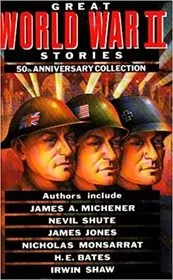
Great World War II Stories
by Irwin Shaw, JG Ballard, Nevil Shute, Ewen Montagu, James Jones, W. Stanley Moss, James A. Michener, Richard Hillary, Kurt Vonnegut, Evelyn Waugh, Norman Mailer, Charles James Rolo, Bruce Marshall, Paul Brickhill, Graham Brooks, Cornelius Ryan, R. J. Minney, Lindsay Baly, P. R. Reed, Guy Gibson, Nella Last, Joseph Heller, Martha Gellhorn, Raymond Paull, H. E. Bates, Ronald Seth, John Prebble, Nancy Wake, F. J. Salfeld, John Steinbeck, Nicholas Monsarrat, R. L. Crimp, James Aldridge, Robert J. Casey & John Hersey
1989
An anthology of significant short fiction about World War II. Michener provides the introduction and selects stories that capture the global scale and human cost of the conflict.
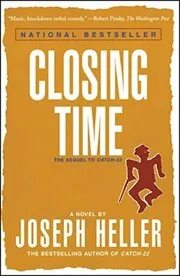
Closing Time
by Joseph Heller
1994
Decades after Catch-22, Yossarian, Milo, the chaplain, and others are older and staring down mortality instead of bombing missions. Heller mixes black comedy with melancholy as he turns from wartime madness to aging, politics, and the end of an era.
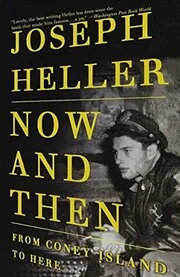
Now and Then
by Joseph Heller
1998
In this memoir, Heller looks back at Depression-era Coney Island, wartime Italy, and the long road from day jobs to literary fame. It's warm, sharp, and full of the personal details that later fed his fiction.
Portrait of an Artist, as an Old Man
by Joseph Heller
2000
Aging novelist Eugene Pota feels time running out and searches for one last book worthy of his reputation. Heller turns creative blockage into a sly, uneasy novel about ambition, memory, and the fear of being finished.
Where to start with Joseph Heller
If you want the essential Heller first: Catch-22 → Closing Time
If you want his darkest modern satire: Something Happened → Good as Gold
If you want myth and history with more playfulness: God Knows → Picture This
If you want the personal side of his work: No Laughing Matter → Now and Then → Portrait of an Artist, as an Old Man
Joseph Heller sub-series and character series
Joseph Heller collections, short stories, and related book types
Non-Fiction
Standalone Joseph Heller books
by Irwin Shaw, JG Ballard, Nevil Shute, Ewen Montagu, James Jones, W. Stanley Moss, James A. Michener, Richard Hillary, Kurt Vonnegut, Evelyn Waugh, Norman Mailer, Charles James Rolo, Bruce Marshall, Paul Brickhill, Graham Brooks, Cornelius Ryan, R. J. Minney, Lindsay Baly, P. R. Reed, Guy Gibson, Nella Last, Joseph Heller, Martha Gellhorn, Raymond Paull, H. E. Bates, Ronald Seth, John Prebble, Nancy Wake, F. J. Salfeld, John Steinbeck, Nicholas Monsarrat, R. L. Crimp, James Aldridge, Robert J. Casey & John Hersey
1989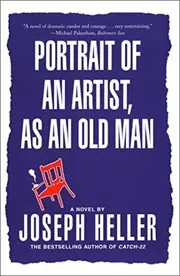
Author bio
Joseph Heller was born in Coney Island, Brooklyn, on May 1, 1923, the son of Russian Jewish immigrants. His father died when Heller was five, and the family lived without much money. That mix of neighborhood talk, family pressure, and hard practical life stayed with him. It helps explain why even his funniest writing keeps one foot in worry, grief, and the everyday scramble to get by.
After graduating from Abraham Lincoln High School in 1941, he worked a run of ordinary jobs before joining the U.S. Army Air Corps in 1942. Two years later he was in the Mediterranean as a B-25 bombardier, flying sixty combat missions over Italy. The war gave him material, but more than that, it gave him a lasting sense of how fear, routine, and absurd rules can live side by side.
Back in civilian life, Heller studied English at the University of Southern California, finished his degree at New York University, earned a master's at Columbia, and then spent a year at Oxford on a Fulbright scholarship. He taught at Pennsylvania State University for two years. He was building a writer's life, but not in any glamorous way. He was learning, reading, teaching, and slowly figuring out what kind of sentences felt like his own.
Advertising paid the bills.
In the 1950s he worked in New York for Time, Look, and McCall's, and wrote in spare hours at home. He had already begun placing short stories in magazines, but the big turn came when he started the novel that became Catch-22. It took him eight years to finish. When it appeared in 1961, it did not become a sensation overnight, but it kept finding readers. Before long its title had entered everyday language, and Heller had written one of those rare books that changes how people talk.
Most readers meet him through Catch-22, and for good reason. Its bombardier hero, Yossarian, is trapped in a war machine that keeps inventing new ways to call madness normal. But Heller's later books show how wide his interests really were. Something Happened turns office life into a long, suffocating confession. Good as Gold aims at politics and family ambition. God Knows lets King David sound vain, wounded, and very funny. Picture This jumps between Rembrandt, ancient Greece, and modern power. Years later, Closing Time brought Yossarian back to face old age instead of bombing runs.
He kept returning to the same nerves from different directions.
Again and again, Heller wrote about people caught inside systems that are bigger, smugger, and less sane than they are. War, business, government, marriage, reputation, aging, all of it could become a trap. He also knew how to turn that trap into comedy without making it feel easy. In No Laughing Matter, written with his friend Speed Vogel, he described his 1981 bout with Guillain-Barré syndrome and the long recovery that followed. In Now and Then, he looked back at Coney Island, wartime Italy, and the strange business of becoming Joseph Heller.
In his later years he lived in East Hampton, returned to St Catherine's in Oxford as an Honorary Fellow, and married Valerie Humphries, who had helped care for him during his illness. He completed one last novel, Portrait of an Artist, as an Old Man, before dying of a heart attack on December 12, 1999. He was 76.



Edited by
Software engineer whose passion for tracking book recommendations from podcasts inspired the creation of MRB.
Lead investor at 3one4 Capital whose startup expertise and love for books helped shape MRB and its growth.
Comments
Did we miss something? Have feedback?
Help us improve this page by sharing your thoughts