
John Wingate Books in Order
See John Wingate books in order, with short summaries, series guides, background on his naval fiction, and simple advice on where to start.
Last updated:
As an Amazon Associate, we earn from qualifying purchases (at no extra cost to you).
John Wingate books in publication order
27 books
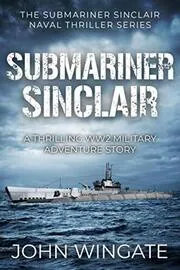
Submariner Sinclair
by John Wingate
1959
Young Peter Sinclair leaves Channel convoy duty for the submarine HMS Rugged and the siege of Malta. Mines, depth charges, and a rescue mission behind enemy lines give him a brutal first taste of undersea war.
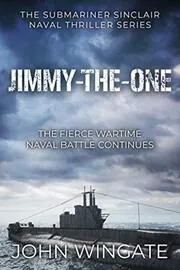
Jimmy-the-One
by John Wingate
1960
Promoted to first lieutenant aboard HMS Rugged, Peter Sinclair helps strike Axis convoys from Malta. With oxygen running low and enemy destroyers pressing hard, the crew must survive both the patrol and a covert mission ashore.
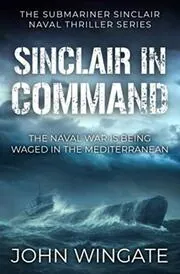
Sinclair in Command
by John Wingate
1961
Now captain of HMS Rugged, Peter Sinclair hunts the force attacking British submarines in the eastern Mediterranean. A murdered agent and a coded message pull him toward a hidden enemy base and a risky commando mission.
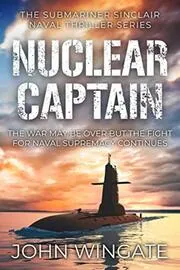
Nuclear Captain
by John Wingate
1962
Peter Sinclair returns to sea in one of Britain's first nuclear submarines. Sent to stop gun-running and a Communist-backed revolt in the Caribbean, he faces sabotage, divided loyalties, and his most dangerous command yet.
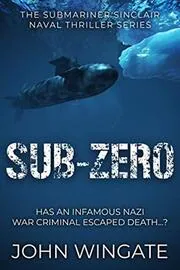
Sub-Zero
by John Wingate
1963
When reports place a supposedly dead Nazi war criminal in Hamburg, Peter Sinclair is sent to investigate. A Baltic exercise becomes a race against time involving a missing officer, a strange ship, and a looming catastrophe.
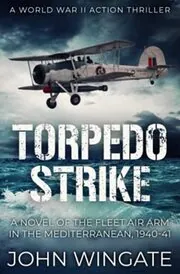
Torpedo Strike
by John Wingate
1964
During the run-up to the Taranto raid, Bill Tanner risks his career by defying orders under fire. With a court-martial hanging over him, he looks to combat, and courage, for a way back.
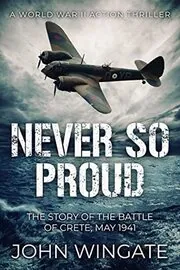
Never So Proud
by John Wingate
1966
Bill Tanner returns in the desperate fight for Crete in 1941. As German paratroopers descend and Allied defenses crumble, he is swept into one of the war's fiercest and most chaotic battles.
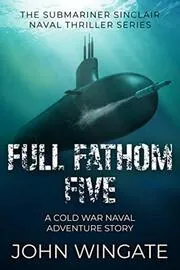
Full Fathom Five
by John Wingate
1967
After his submarine sinks in mysterious circumstances, Peter Sinclair is court-martialed and sent to uncover the truth. An ocean survey mission in the Sumba Straits soon turns into a Cold War hunt for spies.
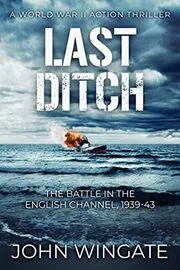
Last Ditch
by John Wingate
1971
This account of the English Channel war follows the long grind of coastal fighting from 1939 to 1943. Wingate shows how convoys, small craft, and constant danger turned narrow waters into a brutal frontline.
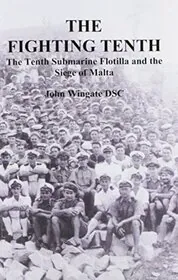
The Fighting Tenth
by John Wingate
1971
Wingate's history of the Tenth Submarine Flotilla tells how Malta-based British boats struck Axis shipping during World War II. It is a close, practical account of one of the Royal Navy's hardest and most dangerous campaigns.
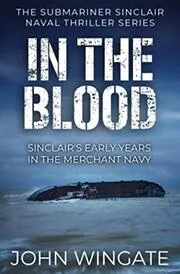
In The Blood
by John Wingate
1973
Before the war, Peter Sinclair goes to sea as a Merchant Navy cadet. Long voyages, hard weather, and the rough realities of shipboard life shape the young man who will later become Submariner Sinclair.

Below The Horizon
by John Wingate
1974
In a near-future Cod War, British trawler skipper Hooky Walker defies Iceland's expanded fishing limits. What begins as a dangerous standoff at sea builds into a bleak struggle over livelihood, pride, and ruin.
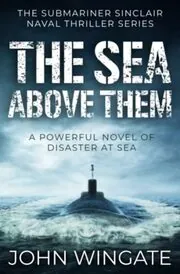
The Sea Above Them
by John Wingate
1975
A secret patrol ends in catastrophe when a nuclear submarine is torn apart and sinks in Arctic waters. Trapped survivors face dwindling oxygen and the bitter irony that only their enemies may be able to save them.
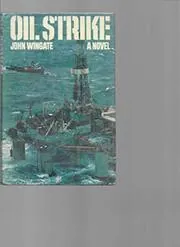
Oil Strike
by John Wingate
1976
Oil off Scotland promises jobs and money, but the new boom brings sabotage and political tension. As a huge offshore platform nears completion, questions of security, progress, and cost become impossible to ignore.
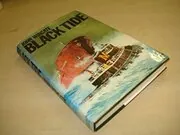
Black Tide
by John Wingate
1977
Captain Bill Gratton must guide an oil tanker through the packed, fogbound Dover Straits. One mistake could mean collision, fire, and an environmental disaster in one of the world's busiest shipping lanes.

Avalanche
by John Wingate
1978
When a coup threatens the British Bank in Beirut, Dirk Trevellack and Kim Quintan flee with vital codes. Hunted across Europe, they face ruthless pursuers, rough country, and a desperate race to deliver the documents.
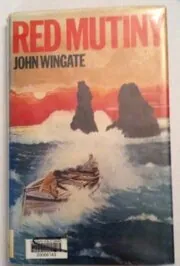
Red Mutiny
by John Wingate
1978
Told through the diary of Soviet officer Alexei Slepak, this novel follows rising unrest aboard a Russian naval vessel. Low morale, political pressure, and private loyalties build toward a dangerous mutiny at sea.
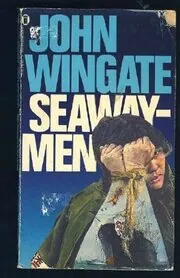
Seawaymen
by John Wingate
1979
Tim Simkins and his fiancee Cherry Hok buy an old sampan and stumble into danger in the Malacca Strait. Pirates, terrorists, and crowded sea lanes turn their plans for a new life into a violent fight for survival.

Target Risk
by John Wingate
1979
Professional diver David Krivine lands a crucial contract on Leviathan, a giant nuclear-powered supertanker. Then he learns he has been used in a deadly scheme, and the English Channel may pay the price.
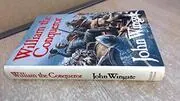
William the Conqueror
by John Wingate
1983
This historical novel follows William of Normandy from his troubled youth to the conquest of England. Family rivalries, shifting loyalties, and brutal warfare shape his rise to the throne and the remaking of a kingdom.
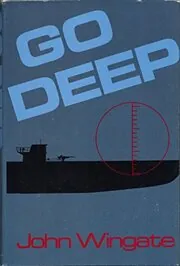
Go Deep
by John Wingate
1985
During the siege of Malta, Lieutenant John Carbis joins HMS Urgent and the famed Fighting Tenth. Cut off by mines, patrols, and relentless enemy pressure, he must prove himself in one of the war's harshest submarine campaigns.
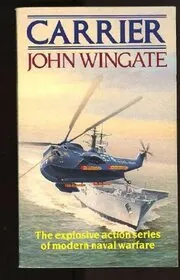
Carrier
by John Wingate
1988
As the conflict deepens, Pascoe Trevellion moves to the carrier Furious. Soviet attacks on Atlantic sea lanes turn a naval crisis into a wider and more dangerous struggle, with the threat of nuclear war hanging over every decision.
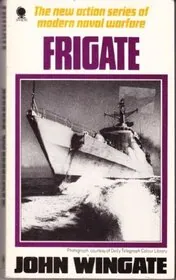
Frigate
by John Wingate
1988
Captain Pascoe Trevellion takes command of HMS Icarus as Cold War tensions spike. A clash with a Soviet submarine pushes a NATO exercise toward open war in the freezing waters off northern Norway.
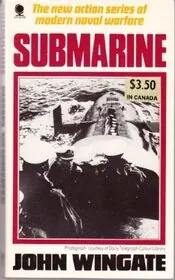
Submarine
by John Wingate
1988
With nuclear war edging closer, an aging NATO submarine is sent on what looks like a suicide mission. Deep under polar waters, the crew must lure out a far stronger Soviet boat and somehow survive the encounter.
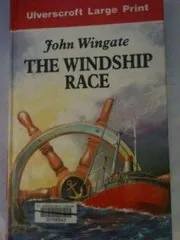
The Windship Race
by John Wingate
1988
In a future shaped by fuel shortages, a round-the-world race tests sail-assisted commercial ships. Race observer Jason Mercer soon realizes sabotage, greed, and violent rivalry may be deadlier than weather, ice, or the open ocean.

The Pulpit of the American Revolution
by John Wingate
2009
This historical collection gathers Revolutionary era sermons that linked faith and politics in colonial America. With notes and a substantial introduction, it shows how ministers framed liberty, resistance, and independence from the pulpit.

Souls Speak
by John Wingate
2019
This true crime investigation revisits the disappearance of three boys in Hannibal, Missouri. Blending research, witness testimony, and paranormal inquiry, it argues they were murdered, not lost in the caves, and explores a possible link to John Wayne Gacy.
Where to start with John Wingate
If you want Peter Sinclair from the beginning: In The Blood → Submariner Sinclair → Jimmy-the-One
If you want peak World War II submarine action: Submariner Sinclair → Jimmy-the-One → Sinclair in Command
If you want Cold War naval combat: Frigate → Carrier → Submarine
If you prefer WWII aviation and big battle set pieces: Torpedo Strike → Never So Proud
If you want Malta and the real history behind the fiction: Go Deep → The Fighting Tenth
John Wingate sub-series and character series
Cold War Naval Thriller books in order
Explore this seriesSubmarine Warfare in World War Two books in order
Explore this seriesSubmarine Warfare in World War Two books in chronological order
Submariner Sinclair books in order
Explore this seriesSubmariner Sinclair books in chronological order
WWII Action Thriller books in order
Explore this seriesWWII Action Thriller books in chronological order
John Wingate collections, short stories, and related book types
Non-Fiction
Standalone John Wingate books
Author bio
John Wingate was born in Britain on March 15, 1920, and spent much of his working life close to the sea, either in uniform or writing about the men who worked and fought on it. He died on May 12, 2008, in Lewes, East Sussex, after publishing around twenty-five books, most of them shaped by naval life.
The sea never really left him.
During the Second World War he served in the Royal Navy, first in a chasseur during the Battle of the Channel and later in submarines based at Malta. One of the hardest episodes of his service was a 36-hour dive under depth-charge attack, an ordeal so severe that survival had seemed unlikely. He was mentioned in dispatches and awarded the Distinguished Service Cross.
That background matters when you read him. Wingate's books do not feel like naval adventures imagined from shore. The closed air, the routine, the tired jokes, the fear when machinery fails, all of it has weight. In Submariner Sinclair, Jimmy-the-One, and Go Deep, readers tend to notice how convincing the shipboard life feels, even before the action starts moving fast.
He did not become a full-time writer straight after the war. He spent time in market gardening, then was recalled to the Navy during the Korean crisis in 1951 and served from Portsmouth. After that he taught in Sussex, then at Aysgarth Preparatory School near Bedale in Yorkshire, and later at Milton Abbey School in Dorset.
He also helped build something new on shore.
Wingate was asked to start Hampshire Activities Centre at Calshot, an early outdoor activities centre that was opened by Prince Philip. Only after retiring from that work did he turn fully to writing. That long route into authorship helps explain the steady, practical feel of his fiction. He wrote like someone who had already had more than one life before sitting down at the desk.
Readers often start with the Peter Sinclair books, and it is easy to see why. Submariner Sinclair throws a young officer into the Malta submarine war, Sinclair in Command raises the stakes with a bigger leadership burden, and The Sea Above Them turns a patrol into a grim survival story. If you want Cold War tension instead, Frigate, Carrier, and Submarine shift from World War II grit to a darker what-if naval conflict. And if you want the real history behind the fiction, The Fighting Tenth shows the campaign that informed so much of his work.
His central characters are rarely glamorous. They are officers, seamen, pilots, divers, and working professionals trying to do difficult jobs under pressure. He liked crews more than lone heroes, and he returned again and again to Malta, the Mediterranean, the Channel, and the North Atlantic. Even when he moved into near-future plots, he stayed interested in the same things: competence, fear, fatigue, and the thin line between order and disaster.
In later life he lived in France and wrote there. That quiet ending feels right for a writer whose books are full of noise, steel, salt water, and people trying to stay steady when everything around them starts to go wrong.









Edited by
Software engineer whose passion for tracking book recommendations from podcasts inspired the creation of MRB.
Lead investor at 3one4 Capital whose startup expertise and love for books helped shape MRB and its growth.
Comments
Did we miss something? Have feedback?
Help us improve this page by sharing your thoughts