
John McPhee Reader Books in Order
Part ofJohn McPhee Books in OrderThis page covers the John McPhee Reader series, listing both volumes in order with contents, background on how the selections were chosen, and guidance on using them as an introduction to his work.
Last updated:
As an Amazon Associate, we earn from qualifying purchases (at no extra cost to you).
John McPhee Reader books in publication order
2 books
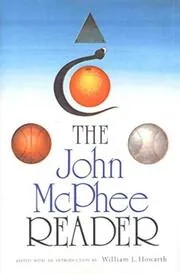
The John McPhee Reader
by John McPhee
1976
Edited by William L. Howarth, this first Reader gathers substantial excerpts from McPhee's early books, from A Sense of Where You Are through The Survival of the Bark Canoe. It offers a single-volume introduction to his subjects, structures, and voice.
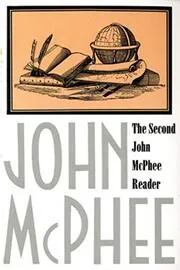
The Second John McPhee Reader
by John McPhee
1996
A curated sampler of McPhee's later work, this volume offers excerpts and pieces from books on Alaska, shipping, geology, and more. It is designed as a stand-alone introduction to his mature nonfiction for both new and longtime readers.
John McPhee Reader books in chronological order
Series background & context
The John McPhee Reader series exists to make a very large body of work feel approachable. Rather than focusing on a single subject, each volume gathers substantial pieces and excerpts from many books, so a reader can sample McPhee’s styles and interests without committing to one long narrative.
The first volume, The John McPhee Reader, was edited by William L. Howarth and appeared in the mid-1970s. It draws from McPhee’s first twelve books, including his early sports writing in A Sense of Where You Are and Levels of the Game, his portraits of institutions in The Headmaster and The Crofter and the Laird, and his explorations of place in works like The Pine Barrens and Oranges. The selections are long enough to stand on their own, but they also hint at the texture of the full books they come from.
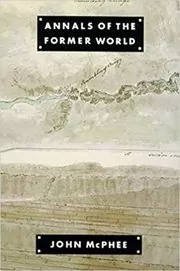
Two decades later, The Second John McPhee Reader picked up the story. Introduced by David Remnick, it collects material from eleven books published after 1975, among them Coming into the Country, Looking for a Ship, The Control of Nature, and the geology volumes that make up Annals of the Former World. Here the emphasis falls on far-flung reporting trips, technical subjects, and the mature architecture of McPhee’s long-form narratives.
Each Reader is organized so that pieces speak to one another. Profiles of individuals sit next to essays about landscapes or industries, and the shifts in topic underline a consistency of method: careful reporting, strong structures, and an eye for the small detail that makes a person or place memorable.
For new readers, the series works as a guided tour. You can move straight through either volume, or pick a subject that appeals - basketball, canoes, river trips, freight, geology - and start there. Many people use the Readers as a way to decide which full-length McPhee books to follow up with next.
Teachers and book clubs often find the Readers convenient because the selections are self-contained and relatively short compared with the original books. They can anchor a class session or a week of discussion without requiring participants to keep track of a single, book-length plot.
Taken together, the two Readers provide a compact overview of three decades of work. They do not replace the original books, but they do capture the breadth of McPhee’s subjects and the evolution of his nonfiction, from early campus profiles to big, continent-spanning projects.














Edited by
Software engineer whose passion for tracking book recommendations from podcasts inspired the creation of MRB.
Lead investor at 3one4 Capital whose startup expertise and love for books helped shape MRB and its growth.
Comments
Did we miss something? Have feedback?
Help us improve this page by sharing your thoughts