
John McPhee Books in Order
This page lists all John McPhee books in order, with summaries, background on Annals of the Former World, and suggestions on where to start reading.
Last updated:
As an Amazon Associate, we earn from qualifying purchases (at no extra cost to you).
John McPhee books in publication order
44 books
A Sense of Where You Are
by John McPhee
1965
McPhee's first book profiles Princeton basketball star and future senator Bill Bradley during his senior year. Detailed accounts of practices and games sit alongside glimpses of Bradley's studies and character, capturing an athlete on the brink of larger careers.
Recommended by
4 people Paul Graham recommended this book
Paul Graham
Paul Graham's answer to "what’s the most beautiful book you’ve ever read?"
Paul Graham's recommendation of this book  Daniel Pink recommended this book
Daniel Pink
"A remarkable book." - Daniel Pink
Daniel Pink's recommendation of this book  Jim Collins recommended this book
Jim Collins
"About Bill Bradley." - Jim Collins
Jim Collins's recommendation of this book  Ryan Petersen recommended this book
Ryan Petersen
Ryan Petersen mentioned this book on Twitter.
Ryan Petersen's recommendation of this book
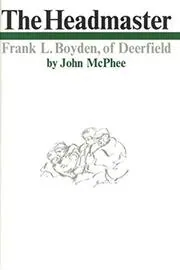
The Headmaster
by John McPhee
1966
This portrait of Frank Boyden follows the longtime head of Deerfield Academy through his daily routines, from recruiting farm boys to coaching teams and planning buildings. McPhee shows how one man's habits and temperament shaped a celebrated boarding school.
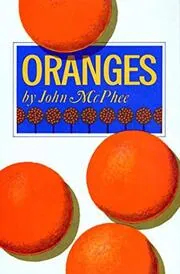
Oranges
by John McPhee
1967
Beginning as a short piece on orange juice, this book expands into a compact history of the orange and the citrus industry. Growers, botanists, pickers, and processors populate a fast, fact-rich tour of one fruit's journey from grove to glass.
Recommended by
1 person- Daniel Pink recommended this book
Daniel Pink
"I read [this book] when I was a kid." - Daniel Pink
Daniel Pink's recommendation of this book
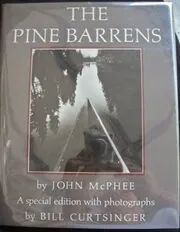
The Pine Barrens
by John McPhee
1967
McPhee explores the New Jersey Pine Barrens, a vast sandy wilderness surrounded by suburban development. Meeting residents, historians, and ecologists, he uncovers the region's folklore, fragile ecology, and the long-running tension between preservation and development.
A Roomful of Hovings
by John McPhee
1968
Five extended profiles introduce figures as varied as museum director Thomas Hoving, forager Euell Gibbons, a team of M.I.T. fellows in Africa, a Wimbledon groundskeeper, and travel writer Temple Fielding. McPhee's close attention turns each into a memorable character study.
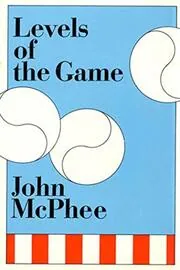
Levels of the Game
by John McPhee
1969
Structured point by point around the 1968 U.S. Open semifinal between Arthur Ashe and Clark Graebner, this book alternates on-court action with biographical portraits. Tennis becomes a way to explore race, class, temperament, and late-1960s American life.
Recommended by
4 people Stephen Dubner recommended this book
Stephen Dubner
"One of my very, very favorite books ever." - Stephen Dubner
Stephen Dubner's recommendation of this book - Daniel Pink recommended this book
Daniel Pink
"One of the best [books by this author] I’ve read." - Daniel Pink
Daniel Pink's recommendation of this book  Tim Ferriss recommended this book
Tim Ferriss
"About one epic tennis match." - Tim Ferriss
Tim Ferriss's recommendation of this book  Samin Nosrat recommended this book
Samin Nosrat
"I love." - Samin Nosrat
Samin Nosrat's recommendation of this book
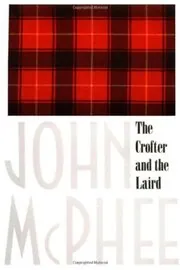
The Crofter and the Laird
by John McPhee
1970
Returning with his family to the Scottish island of Colonsay, ancestral home of the McPhees, the author observes the uneasy relationship between local crofters and the absentee laird. The island becomes a compact study of class, land, and tradition.
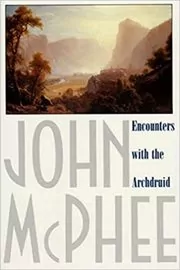
Encounters with the Archdruid
by John McPhee
1971
In three narrative journeys, McPhee brings conservationist David Brower face-to-face with a miner, a resort developer, and a dam builder. Their hikes, camping trips, and river runs become vivid arguments about how wild landscapes should be used or left alone.
Recommended by
1 person- Jim Collins recommended this book
Jim Collins
Jim Collins mentioned this book on "The Tim Ferriss Show" podcast.
Jim Collins's recommendation of this book
Giving Good Weight
by John McPhee
1972
In the title essay, McPhee works alongside farmers in New York City's open-air markets, watching small dramas play out around the hanging scales. Other pieces follow chefs, river runners, nuclear-plant designers, and pinball wizards in richly observed detail.
Wimbledon
by John McPhee
1972
This slim volume collects two tennis essays, including a portrait of Wimbledon groundskeeper Robert Twynam and a close look at tournament traditions. Focusing on courts and caretakers rather than star players, McPhee reveals the craft behind championship tennis.
The Deltoid Pumpkin Seed
by John McPhee
1973
McPhee tells the story of the Aereon airship project, in which a small team tried to build a hybrid aircraft shaped like a fat flying triangle. Their technical hopes, financial troubles, and stubborn optimism become a case study in invention and persistence.

The Curve of Binding Energy
by John McPhee
1974
Part profile and part warning, this book follows nuclear physicist Theodore Taylor through weapons labs, power plants, and security briefings. Taylor explains how nuclear devices work and how vulnerable modern societies may be to small, improvised weapons.
Pieces of the Frame
by John McPhee
1975
This mid-career collection gathers narrative essays that roam from Georgia back roads to New Mexico racetracks, Atlantic City, and Scottish hills. The pieces share McPhee's interest in place, eccentric characters, and the hidden structures of ordinary landscapes.
The Survival of the Bark Canoe
by John McPhee
1975
Following master builder Henri Vaillancourt, McPhee learns how traditional birch-bark canoes are made and tested on a long trip through the Maine woods. The book revives a fragile craft while reflecting on technology, wilderness travel, and historical memory.
Recommended by
1 person Nick Thompson recommended this book
Nick Thompson
"An unknown book but just brilliant." - Nick Thompson
Nick Thompson's recommendation of this book
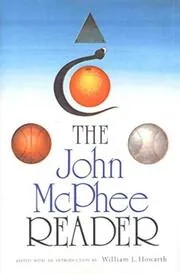
The John McPhee Reader
by John McPhee
1976
Edited by William L. Howarth, this first Reader gathers substantial excerpts from McPhee's early books, from A Sense of Where You Are through The Survival of the Bark Canoe. It offers a single-volume introduction to his subjects, structures, and voice.
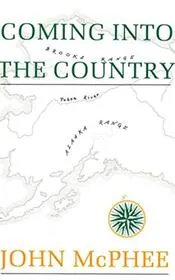
Coming into the Country
by John McPhee
1977
Crisscrossing Alaska by bush plane, boat, and road, McPhee meets homesteaders, prospectors, politicians, and city dwellers. In three linked sections, he portrays the state's urban centers, remote bush communities, and raw wilderness as they pull against one another.
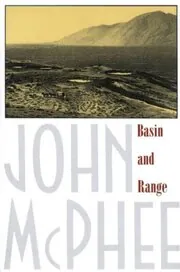
Basin and Range
by John McPhee
1981
The opening volume of Annals of the Former World takes McPhee and several geologists across the austere Basin and Range province between Utah and California. Highway journeys and roadside outcrops introduce plate tectonics and the vast timescales of earth history.
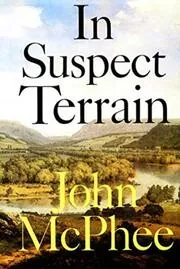
In Suspect Terrain
by John McPhee
1983
Traveling with geologist Anita Harris from Brooklyn's outwash plains through Appalachian ridges and Midwestern fields, McPhee explores competing ideas about how the mountains formed. The book is both a portrait of a scientist and a tour of evolving geologic thought.
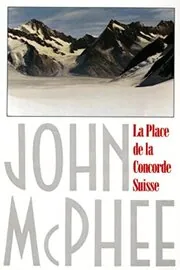
La Place de la Concorde Suisse
by John McPhee
1983
Immersed in Switzerland's citizen army, McPhee visits training grounds, war games, and border posts to see how a small neutral country prepares for war. His account examines military culture, politics, and everyday Swiss life with the eye of a reporter.
Riding the Boom Extension
by John McPhee
1983
This extended essay follows the arrival of modern telecommunications and a new gold rush in and around Circle City, Alaska. McPhee tracks prospectors, trappers, and town residents as telephone lines and rising gold prices reshape a remote river community.
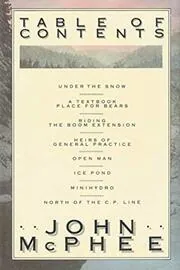
Table of Contents
by John McPhee
1985
Eight long essays carry McPhee from Arctic Alaska to New Jersey, Maine, and beyond. Bears, bush pilots, family physicians, and miniature power companies all appear in a collection that captures the range of his early-1980s magazine work.
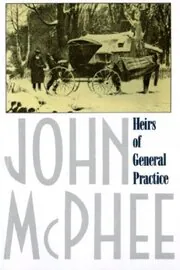
Heirs of General Practice
by John McPhee
1986
Reporting from rural Maine, McPhee spends time with young family doctors who have chosen broad, community-based practice instead of narrow specialization. Their work with patients of all ages becomes a window into medicine, training, and small-town life.
In The Highlands And The Islands
by John McPhee
1986
Gathering The Crofter and the Laird with additional essays, this book follows McPhee through the Scottish Highlands and Hebrides. He writes about island crofters, rugged coasts, and the pull of ancestral landscapes on contemporary lives.
Rising from the Plains
by John McPhee
1986
Set largely in Wyoming, this volume in Annals of the Former World centers on geologist David Love and the remote ranch where he grew up. As McPhee rides with him across the high plains, the history of the Rockies and the modern West comes into focus.
Outcroppings
by John McPhee
1988
This photo-and-text book pairs McPhee's writings on geology and ecology with landscape photographs by Tom Till. Short passages and images together highlight the canyons, deserts, and rock formations that appear throughout his longer geologic works.
The Control of Nature
by John McPhee
1989
McPhee visits Louisiana, Iceland, and the mountains above Los Angeles to watch people fight floods, lava, and debris flows. Through engineers, townspeople, and field trips, he shows what happens when human plans collide with slow, implacable natural forces.
Recommended by
1 person- Jim Collins recommended this book
Jim Collins
"With all of the fires and so forth happening in California, I actually went back to read." - Jim Collins
Jim Collins's recommendation of this book
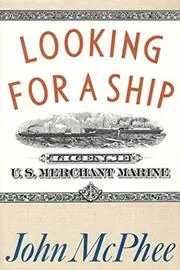
Looking for a Ship
by John McPhee
1990
Following second mate Andy Chase as he searches for work and signs on to the S.S. Stella Lykes, McPhee records life aboard one of the last American merchant ships. Storms, ports, and shipboard routines reveal a proud but shrinking industry.
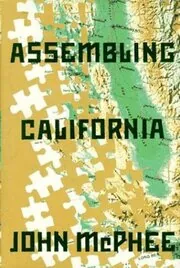
Assembling California
by John McPhee
1992
Traveling with tectonics expert Eldridge Moores, McPhee crosses California from the Sierra Nevada to the coast, using road cuts and fault lines to tell the state's geologic story. Gold rush history and earthquake science intertwine with maps in motion.
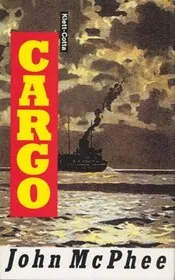
Cargo
by John McPhee
1993
Aboard an American freighter on a long run along the Pacific coast of the Americas, McPhee chronicles the routines, dangers, and camaraderie of the crew. The voyage becomes a vivid portrait of the modern merchant marine and its uncertain future.
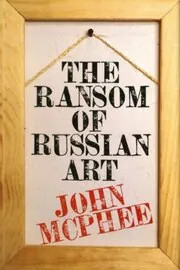
The Ransom of Russian Art
by John McPhee
1994
McPhee traces how economist Norton Dodge quietly bought and smuggled thousands of works by underground Soviet artists out of the USSR. The book follows Dodge's risky trips, the artists he met, and what became of their once-forbidden paintings and sculptures.

Turning the World Upside Down
by John McPhee
1995
This nonfiction volume presents McPhee's reporting in book form, following real people as they confront large changes in their lives or surroundings. Through close observation and careful structure, he shows how broad forces register in everyday experience.
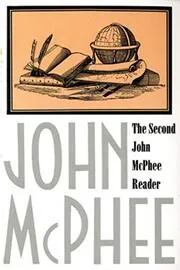
The Second John McPhee Reader
by John McPhee
1996
A curated sampler of McPhee's later work, this volume offers excerpts and pieces from books on Alaska, shipping, geology, and more. It is designed as a stand-alone introduction to his mature nonfiction for both new and longtime readers.
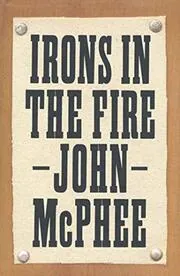
Irons in the Fire
by John McPhee
1997
In this collection, McPhee ranges from Nevada cattle country to specialized forensic labs. The title essay follows a brand inspector investigating modern rustling, while other pieces explore obscure trades and landscapes that quietly underlie everyday life.
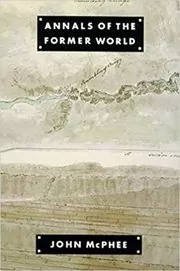
Annals of the Former World
by John McPhee
1998
Combining four earlier geology books with a final section, this Pulitzer Prize-winning volume follows McPhee and several geologists along the fortieth parallel. Road trips, road cuts, and fieldwork reveal how the North American continent took shape over deep time.
Instructor's Manual to Accompany Worldly Wisdom by Daniel Bonevac
by John McPhee
2001
A companion guide for teachers using Daniel Bonevac's Worldly Wisdom in their courses. It offers suggestions for presenting the readings, along with ideas for discussions, assignments, and exams that help bring the main text into the classroom.
The Princeton Anthology of Writing
by John McPhee
2001
This anthology gathers favorite pieces by journalists who have held Princeton's Ferris and McGraw professorships, showcasing decades of literary nonfiction. The selections range from political reporting to intimate portraits, making it useful for students and general readers.
The Founding Fish
by John McPhee
2002
Blending memoir, biology, and history, McPhee follows the American shad from ocean runs to upriver spawning grounds. Fishing with scientists and friends, he explores the species' role in ecosystems and in the lives of figures from George Washington onward.
The American Shad
by John McPhee
2004
Drawn from The Founding Fish, this limited volume focuses on the American shad's life cycle, river migrations, and place in American history. McPhee blends natural history with angling stories and historical anecdotes about this remarkable fish.
Uncommon Carriers
by John McPhee
2006
McPhee rides with truckers, towboat pilots, ship captains, and package sorters to see how freight actually moves. His portraits turn chemical tankers, coal trains, and overnight hubs into gripping stories of skill, routine, and risk.
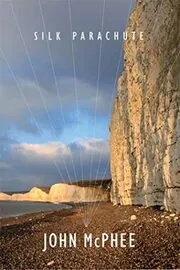
Silk Parachute
by John McPhee
2010
Ten linked pieces, many of them personal, recall McPhee's childhood, parents, travel, and reporting assignments. From lacrosse fields to European chalk cliffs, the collection shows how small experiences open out into larger stories.
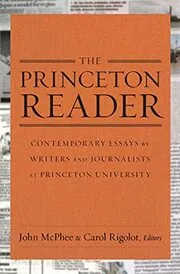
The Princeton Reader
by John McPhee
2010
An anthology of contemporary nonfiction by writers and journalists connected to Princeton University, coedited by McPhee. Essays on politics, science, culture, and everyday life offer students and general readers a wide sampling of modern narrative journalism.
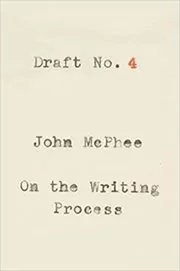
Draft No. 4
by John McPhee
2013
McPhee turns his reporter's eye on his own craft, using case studies from decades of magazine work to show how he outlines, drafts, interviews, and revises. It is a compact, story-rich guide to long-form nonfiction writing.
Recommended by
2 people- Jim Collins recommended this book
Jim Collins
"Describes to all of us who struggle with words the struggle of writing." - Jim Collins
Jim Collins's recommendation of this book - Tim Ferriss recommended this book
Tim Ferriss
"One of the best books about non-fiction writing that I’ve ever read." - Tim Ferriss
Tim Ferriss's recommendation of this book
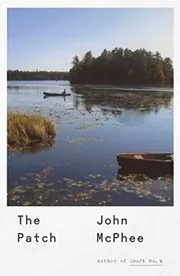
The Patch
by John McPhee
2018
Divided into a sports section and a collage of brief vignettes, this collection ranges from fishing, golf, and football to memories, odd encounters, and unfinished pieces. Together the fragments form an informal, sideways memoir of McPhee's reporting life.

Tabula Rasa: Volume 1
by John McPhee
2023
In short, playful chapters drawn from old notebooks, McPhee revisits story ideas he never turned into full books. The vignettes range from chance encounters to half-finished reporting trips, creating a reflective, late-career mosaic of curiosities and near-misses.
Where to start with John McPhee
If you want a big, immersive read: Coming into the Country → Annals of the Former World.
If you love science and the natural world: The Control of Nature → The Pine Barrens → The Founding Fish.
If you are curious about how writing works: Draft No. 4 → The Patch → Tabula Rasa: Volume 1.
If you prefer shorter, personal pieces: Silk Parachute → Pieces of the Frame → Irons in the Fire.
If you like profiles and character studies: A Sense of Where You Are → The Headmaster → Encounters with the Archdruid.
John McPhee sub-series and character series
Annals of the Former World books in order
Explore this seriesAnnals of the Former World books in chronological order
John McPhee collections, short stories, and related book types
Non-Fiction
Standalone John McPhee books

by John McPhee
1971Narratives About a Conservationist and Three of His Natural Enemies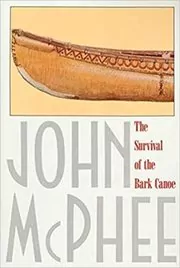
Author bio
John McPhee was born in Princeton, New Jersey, on March 8, 1931, and has spent most of his life in that small university town. His father was a physician for Princeton University’s athletic teams, and the rhythms of campus and playing fields shaped his early years.
After Princeton High School he spent a postgraduate year at Deerfield Academy, then returned home to earn his undergraduate degree from Princeton University in 1953. A year of study at Magdalene College, Cambridge, followed, adding British classrooms and pubs to the map of places that would quietly appear in his later work.
McPhee began his career at Time magazine, learning how to report quickly and compress large subjects into tight narrative space. That early training led to a long association with The New Yorker, where he became a staff writer in the mid-1960s and began publishing the deeply reported, structurally intricate pieces that would grow into his books.
His first book, A Sense of Where You Are, was a close profile of Princeton basketball star and future senator Bill Bradley. It was followed by The Headmaster, about Frank Boyden of Deerfield Academy, then by works that ranged ever outward: Oranges, a compact history of a single fruit and the industry around it, and The Pine Barrens, which introduced many readers to a little-known wilderness in the middle of New Jersey.
Over the decades McPhee has written about tennis matches and birch-bark canoes, Swiss conscripts and New Jersey farmers’ markets, the American shad in The Founding Fish, and freight transport in Uncommon Carriers. A central thread in his career is geology. The four volumes later gathered into Annals of the Former World follow geologists along the fortieth parallel, reading road cuts and mountainsides to tell the story of North America’s deep past. Books like The Control of Nature and Assembling California extend that interest into the ways people try to shape or withstand the physical world.
McPhee is known for building his pieces on detailed outlines and for finding narrative structures that fit each subject rather than repeating a single pattern. Much of that thinking eventually surfaced in Draft No. 4, his book about the writing process, in which he walks readers through reporting trips, drafting, revision, and the quiet negotiations between writers and editors.
Since 1974 he has taught nonfiction writing at Princeton as the Ferris Professor of Journalism. Generations of students have passed through his small, workshop-style classes, many of them going on to careers in magazines, books, and other forms of narrative nonfiction. His classroom reputation rests less on theory than on close reading, line edits, and a steady insistence on clarity and structure.
McPhee’s work has been recognized with numerous honors, including the Pulitzer Prize for General Nonfiction in 1999 for Annals of the Former World, an Award in Literature from the American Academy of Arts and Letters, and a career award for his contribution to American journalism. The list of formal prizes is long, but on the page he remains an unshowy presence, more interested in his subjects than in himself.
In later books such as Silk Parachute, The Patch, and Tabula Rasa: Volume 1, he turns more openly toward his own life, writing short, often playful pieces that look back on family, travel, and half-finished ideas. He still lives in Princeton, still writes about whatever catches his curiosity, and still treats the world as a place to be carefully noticed and then patiently explained.









Edited by
Software engineer whose passion for tracking book recommendations from podcasts inspired the creation of MRB.
Lead investor at 3one4 Capital whose startup expertise and love for books helped shape MRB and its growth.
Comments
Did we miss something? Have feedback?
Help us improve this page by sharing your thoughts