
John Ehle Books in Order
Explore John Ehle books in order, with quick summaries, where to start tips, and notes on his Appalachian novels, Southern history, and nonfiction.
Last updated:
As an Amazon Associate, we earn from qualifying purchases (at no extra cost to you).
John Ehle books in publication order
17 books
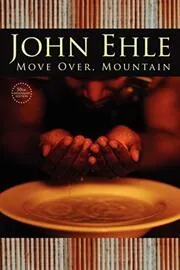
Move Over, Mountain
by John Ehle
1957
Jordan Cummings wants steady work, dignity, and a future for his family in North Carolina. Ehle follows his clashes at home and on the job in a tense, compassionate novel about pride, race, and survival.
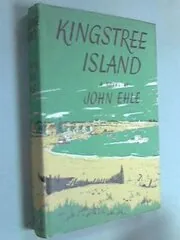
Kingstree Island
by John Ehle
1959
Brandon Rhodes comes to a remote North Carolina island hoping for distance from the mainland and his past. Instead he runs into a local patriarch, divided loyalties, and a love story that turns dangerous.
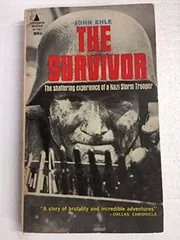
The Survivor
by John Ehle
1959
Ehle recounts the life of Eddy Hukov, a young Pole who survived World War II after being drawn into the German army. It is a humane, unsettling portrait of coercion, war, and the will to stay alive.
Shepherd of the Streets
by John Ehle
1960
This nonfiction book follows the Reverend James A. Gusweller and his fight for Puerto Rican families on New York's West Side. Ehle turns housing, poverty, and city politics into a vivid story of public action.
Lion on the Hearth
by John Ehle
1961
The King family are prosperous Asheville merchants, but money and ambition do not make them peaceful. Set around the Depression years, this family saga is full of rivalry, desire, and hard choices about power.
The Land Breakers
by John Ehle
1964
In 1779, former indentured servants Mooney and Imy Wright head into the western North Carolina wilderness to claim land of their own. Ehle makes settlement feel raw, intimate, and costly from the first pages.
The Free Men
by John Ehle
1965
Ehle chronicles the 1963-64 civil rights protests in Chapel Hill as they happen, following students and activists across marches, arrests, and organizing. It is immediate local history with real urgency and human stakes.
The Road
by John Ehle
1967
Weatherby Wright tries to drive a railroad through western North Carolina after the Civil War. Engineering, money, convict labor, and mountain resistance all bear down on his grand plan.
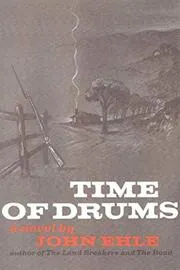
Time of Drums
by John Ehle
1970
Owen Wright, a Confederate officer from the North Carolina mountains, moves from homefront tensions to the brutal reality of Gettysburg. It is a Civil War novel about divided loyalties, grief, and the costs of honor.
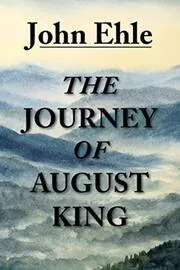
The Journey of August King
by John Ehle
1971
Returning home through the North Carolina mountains, August King meets an escaped enslaved woman and faces a choice he cannot dodge. The novel turns a simple trip into a tense moral reckoning.
The Cheeses and Wines of England and France,
by John Ehle
1972
Part travel book, part kitchen guide, this tour of cheese, wine, and Irish whiskey follows makers, markets, and regional traditions. Ehle and James J. Spanfeller mix practical detail with a real feel for craft and place.
The Changing of the Guard
by John Ehle
1976
On a film set in Paris, actors, egos, and old roles collide during the making of a lavish movie about Louis XVI. Ehle turns backstage drama into a sharp story about ambition, performance, and reinvention.
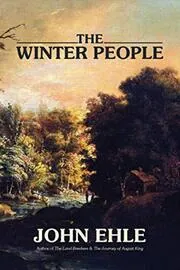
The Winter People
by John Ehle
1982
Widowed clockmaker Wayland Jackson and his daughter find shelter with Collie Wright in a mountain community. Love, old loyalties, and a deadly feud close in as winter settles over western North Carolina.
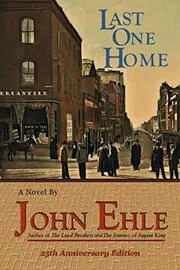
Last One Home
by John Ehle
1984
Pinkney Wright leaves farm life for the growing city of Asheville and builds a future in trade and insurance. As family ambitions deepen, the novel tracks both one man's rise and a changing mountain town.
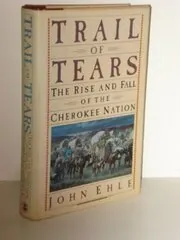
Trail of Tears
by John Ehle
1988
This nonfiction history follows the rise and fall of the Cherokee Nation and the forces that drove its removal west. Ehle keeps the politics clear while never losing sight of the people caught in the disaster.
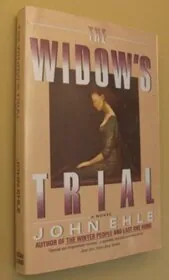
The Widow's Trial
by John Ehle
1989
In the North Carolina mountains, Winnette King is tried for killing her violent husband, Lloyd Plover. Told through many voices, the novel turns a murder case into a sharp story about love, fear, and local justice.
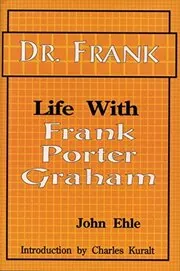
Dr. Frank
by John Ehle
1994
Ehle looks at Frank Porter Graham as a teacher, university leader, senator, and reformer in North Carolina public life. It is a biography interested in character, politics, and the pressure of ideals.
Where to start with John Ehle
For the big Appalachian family saga: The Land Breakers → The Journey of August King → Time of Drums → The Road
If you want Depression-era mountain drama: The Winter People → Lion on the Hearth → Last One Home
If you prefer standalones first: Move Over, Mountain → Kingstree Island → The Widow's Trial
For Ehle's nonfiction side: The Free Men → Trail of Tears → Dr. Frank
John Ehle collections, short stories, and related book types
Non-Fiction
Standalone John Ehle books
Author bio
John Ehle was born in Asheville, North Carolina, on December 13, 1925, and grew up in the mountain country that would shape most of his best-known writing. He was the oldest of five children, and the textures of western North Carolina, its speech, weather, labor, and family ties, stayed with him for life. Long before readers called him an Appalachian writer, he had already stored away the voices and places that would fill his fiction.
He knew the land he wrote about.
During World War II, Ehle served as a rifleman in the U.S. Army's 97th Infantry Division. After the war he went to the University of North Carolina at Chapel Hill, earning a BA in 1949 and an MA in 1953. At Chapel Hill he met the playwright Paul Green, and that meeting helped set his course. Ehle began writing plays for the NBC radio series American Adventure, which gave him practical training in storytelling before his books arrived.
He also taught at UNC for about a decade. Then, from 1962 to 1964, he served Governor Terry Sanford as a special assistant, a job Sanford once described as a one-man think tank. Ehle helped push ideas that led to the founding of the North Carolina School of the Arts, and he was involved in wider education and anti-poverty work in the state. He was never the kind of writer who stayed sealed off from public life.
For him, writing and civic work fed each other.
His first novel, Move Over, Mountain, came out in 1957. Over the years he moved between fiction and nonfiction, but the books many readers start with are the mountain novels, especially The Land Breakers, The Journey of August King, Time of Drums, The Road, The Winter People, and Last One Home. Together they follow families in western North Carolina across generations, from frontier settlement to railroad building, the Civil War, and the hard turns of the twentieth century. They are big books in scope, but they stay close to ordinary lives.
That closeness is a big part of Ehle's appeal. Readers tend to like the way his novels make work feel real, chopping wood, clearing land, trading, farming, building, arguing, grieving, trying to keep a family together. His characters are not polished symbols. They are settlers, merchants, widows, laborers, soldiers, and strivers, and they often have to choose between survival and decency. Ehle does not romanticize mountain life, but he does take it seriously.
He could also shift his focus without losing his footing. The Widow's Trial turns a murder case into a story about local justice, gender, and community judgment. The Changing of the Guard steps into the world of filmmaking. Two of his novels, The Winter People and The Journey of August King, were adapted for film, and Ehle wrote the screenplay for The Journey of August King himself.
His nonfiction has the same habit of bringing history down to human scale. The Free Men followed civil rights protests in Chapel Hill as they unfolded in 1963 and 1964, staying close to students and local activists. Trail of Tears traced the rise and destruction of the Cherokee Nation with a clear eye for politics, pressure, and betrayal. In Dr. Frank, he wrote about Frank Porter Graham, another major North Carolina figure who moved between education and public service.
The honors came, but they don't explain the work.
What explains it better is range. Ehle could write about early settlers, Black families in the mid-century South, civil rights protesters, railroad crews, merchants in Asheville, and Cherokee history, and still sound like himself. He was inducted into the North Carolina Literary Hall of Fame and received the North Carolina Award for Literature, but the strongest case for his importance is still on the page.
At home, he was married to the actress Rosemary Harris, and their daughter is the actress Jennifer Ehle. He spent his later years in Winston-Salem and remained closely tied to North Carolina's cultural life. Ehle died there on March 24, 2018, at 92. His books are still a good way to enter the region he knew so well, not as postcard scenery, but as a place full of work, memory, conflict, and stubborn endurance.











Edited by
Software engineer whose passion for tracking book recommendations from podcasts inspired the creation of MRB.
Lead investor at 3one4 Capital whose startup expertise and love for books helped shape MRB and its growth.
Comments
Did we miss something? Have feedback?
Help us improve this page by sharing your thoughts