
John Edgar Wideman Books in Order
Find John Edgar Wideman books in order, with short summaries and guides to the author's series that help you choose where to start and what to read next.
Last updated:
As an Amazon Associate, we earn from qualifying purchases (at no extra cost to you).
John Edgar Wideman books in publication order
25 books
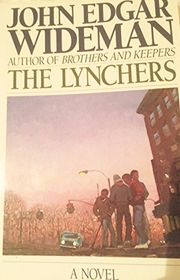
The Lynchers
by John Edgar Wideman
1973
Four Black men plan to lynch a white policeman, exposing their conflicting fears, ambitions, and motives. Their conspiracy becomes the center of a novel examining the pressures that shape their lives and the violence they contemplate.
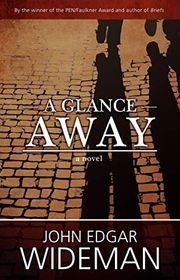
A Glance Away
by John Edgar Wideman
1975
Returning home after a year of addiction treatment, Eddie Lawson crosses paths with Robert Thurley, a professor troubled by memory, alcohol, and questions of identity. Their converging lives expose the distance between people and the possibility of understanding one another.
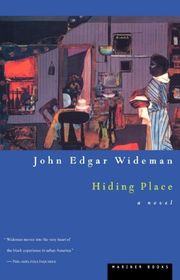
Hiding Place
by John Edgar Wideman
1981
Wanted after a man dies, Tommy seeks shelter with his relative Mother Bess above Pittsburgh’s Homewood streets. Both carry anger and fear shaped by their losses, and their uneasy refuge forces them to confront what returning to the world might require.
Brothers and Keepers
by John Edgar Wideman
1984
John Edgar Wideman examines the divergent lives of himself and his younger brother Robby, imprisoned after a fatal robbery. Recalling their shared childhood and Robby’s prosecution, he explores family loyalty, guilt and the human consequences of incarceration.
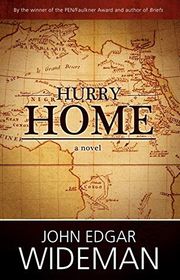
Hurry Home
by John Edgar Wideman
1986
Cecil Braithwaite earns a law degree while working as a janitor, only to discover that achievement cannot overcome the racial and class barriers around him. Traveling through Europe and toward Africa, he searches for an identity and a place to belong.
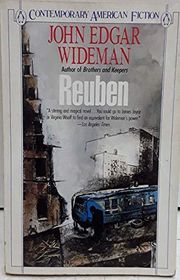
Reuben
by John Edgar Wideman
1987
From an old trailer in Pittsburgh’s Homewood neighborhood, Reuben helps people entangled in poverty, violence and bureaucracy. His clients’ struggles mingle with his own memories and obsessions, creating a portrait of lives seeking something beyond survival and revenge.
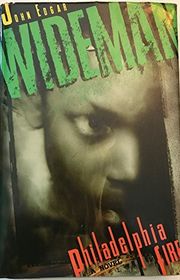
Philadelphia Fire
by John Edgar Wideman
1990
After police bomb a Philadelphia house, writer Cudjoe returns from exile and searches for a child believed to have escaped the flames. His investigation confronts the destruction of a community and his own uneasy relationship with its history.
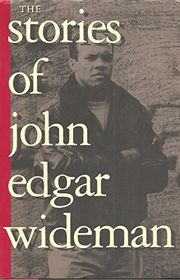
Stories of John Edgar Wideman
by John Edgar Wideman
1992
These stories follow Black residents of Pittsburgh’s Homewood neighbourhood through lives shaped by family, community and social pressure. Wideman brings together different generations and experiences, exploring the memories, conflicts and connections that give the neighbourhood its enduring identity.

All Stories Are True
by John Edgar Wideman
1993
John Edgar Wideman’s stories follow African Americans across generations in Pittsburgh’s Homewood neighborhood. Family, ancestors, and lovers confront the forces of American history while living with personal memories, unresolved conflicts, and the ties that connect them.
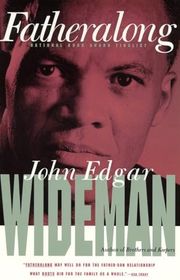
Fatheralong
by John Edgar Wideman
1994
Returning to his family’s roots in South Carolina and Pittsburgh, Wideman considers the uneasy bonds between fathers and sons. His estrangement from his father and his own experiences of parenthood open onto questions of ancestry, race and inheritance.
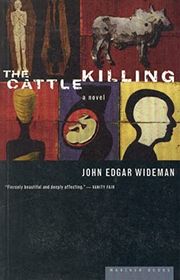
The Cattle Killing
by John Edgar Wideman
1996
In eighteenth-century Philadelphia, a young Black preacher searches for an endangered African woman amid disease and racial violence. His journey expands across times and continents, linking intimate struggles for love to the destructive legacy of European domination.
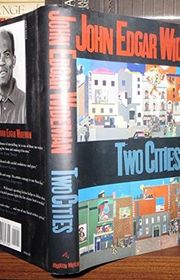
Two Cities
by John Edgar Wideman
1997
Widow Kassima fears further loss after violence takes her husband and sons, yet begins a relationship with gentle Robert Jones. An elderly photographer’s death and remarkable archive draw their lives into a larger history of Black communities.
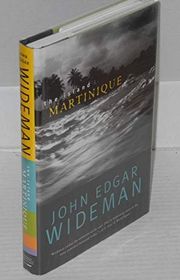
The Island
by John Edgar Wideman
2003
Traveling through Martinique with a French companion, John Edgar Wideman considers the island’s beauty alongside its history of slavery and colonialism. Their developing relationship becomes entwined with his reflections on race, belonging and the contradictions of being a visitor.
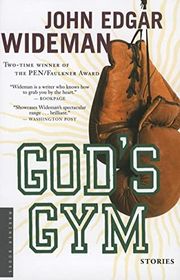
God's Gym
by John Edgar Wideman
2005
These stories examine how people draw on strength and belief when their relationships reach difficult turning points. Across friendships, racial divisions and intimate encounters, Wideman explores the demands of faith and the uncertainty beneath familiar accounts of everyday life.
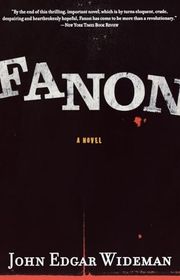
Fanon
by John Edgar Wideman
2008
A contemporary novelist attempts to write the life of revolutionary thinker Frantz Fanon. His project mixes imagined biography, personal encounters and reflections on colonialism, questioning what Fanon’s legacy can mean in a world still shaped by racial violence.
Briefs
by John Edgar Wideman
2010
A collection of microstories gives brief encounters, observations and memories the intensity of longer narratives. Speaking as diarists, listeners and compressed historians, its narrators explore how people experience time and shape fragments of their lives into stories.
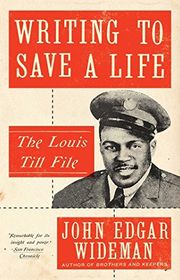
Writing to Save a Life
by John Edgar Wideman
2016
John Edgar Wideman investigates the execution of Louis Till, father of the murdered teenager Emmett Till. Combining research, memory and imaginative speculation, he examines how the two deaths illuminate racial injustice and the fragile inheritance between fathers and sons.
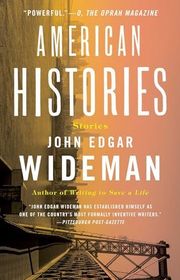
American Histories
by John Edgar Wideman
2018
Historical figures and ordinary Americans inhabit stories that blur fiction, memoir and imagined history. Conversations between abolitionists, family reckonings and encounters with death explore how racial violence and cultural memory continue to shape private lives and public identity.
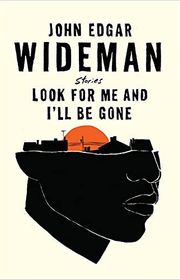
Look For Me and I'll Be Gone
by John Edgar Wideman
2021
Childhood memories, imprisonment and everyday grief intersect with the lives of figures such as Michael Jordan and Emmett Till. These stories examine America through intimate and historical experiences, testing how memory and storytelling connect the past with the present.
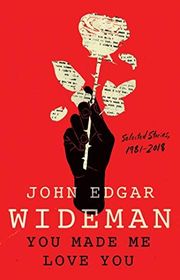
You Made Me Love You
by John Edgar Wideman
2021
Thirty-five selected stories follow lives shaped by memory, community and the pressures of history. Moving from Pittsburgh’s Homewood neighborhood to other American landscapes, Wideman explores the inner worlds of people confronting loss, belonging and survival.
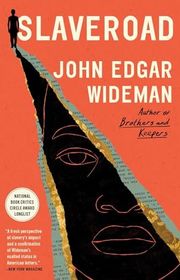
Slaveroad
by John Edgar Wideman
2024
John Edgar Wideman blends history, memoir and fiction to examine slavery’s continuing influence on American lives. A missionary’s journey to Africa and his own brother’s release from prison become part of a meditation on captivity, memory and inherited violence.
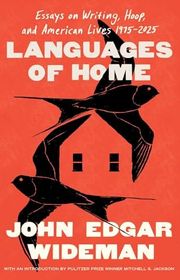
Languages of Home
by John Edgar Wideman
2025
Essays spanning five decades trace Wideman’s reflections on writing, basketball and American life. Drawing on cultural criticism and literary journalism, the collection connects personal experience with questions of race, artistic practice and the stories through which people understand their country.
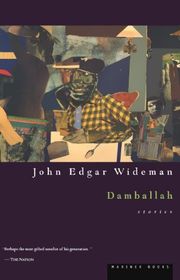
Damballah
by John Edgar Wideman
Interlinked stories trace the history and voices of Homewood, a Pittsburgh neighborhood rooted in the era of slavery. Family memories and community narratives reveal the persistence of the past in lives too often reduced to labels or overlooked.
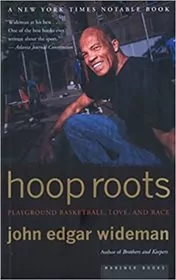
Hoop Roots
by John Edgar Wideman
John Edgar Wideman reflects on basketball through memories of Pittsburgh playgrounds, family, and a game he can no longer play. His memoir connects sport with Black music, language, cultural history, aging, and the experience of belonging.
Recommended by
1 person Phil Jackson recommended this book
Phil Jackson
Phil Jackson recommended this book on Twitter.

Sent for You Yesterday
by John Edgar Wideman
After seven years on the run, Albert Wilkes returns to Pittsburgh’s Homewood neighborhood. His homecoming becomes part of a larger story of the community, where remembered lives and the pressures of history continue to shape the present.
Where to start with John Edgar Wideman
For the Homewood trilogy: Damballah → Hiding Place → Sent for You Yesterday
For the family memoir: Brothers and Keepers
For basketball and personal history: Hoop Roots
For an investigative nonfiction starting point: Writing to Save a Life
John Edgar Wideman sub-series and character series
Homewood books in order
Standalone John Edgar Wideman books
Author bio
John Edgar Wideman writes fiction and nonfiction in which family memory, Black American history and the act of telling a story continually meet. Born in Washington, DC, in 1941, he grew up in Pittsburgh and went on to the University of Pennsylvania, then to Oxford as a Rhodes Scholar. His later teaching career included Wyoming, Massachusetts Amherst and Brown.
Pittsburgh gives several of his books a shared center.
Damballah, Hiding Place and Sent for You Yesterday form the Homewood trilogy. Readers looking for a connected introduction can begin with those books, where the name of a neighborhood becomes a way into remembered lives and relationships. In Sent for You Yesterday, Albert Wilkes's return after seven years on the run becomes part of a larger account of the community, with the past continuing to shape those who live there.
That novel and Philadelphia Fire both won PEN/Faulkner Awards. Wideman also received a MacArthur fellowship in 1993. Those distinctions recognize a body of work that moves between novels, stories, memoir and other nonfiction, rather than one continuous series with a single preferred order.
Brothers and Keepers offers a more explicitly personal entrance. The memoir reflects on his family and his brother Robert's imprisonment, setting their very different paths beside one another. It gives readers interested in the relationship between family experience and public questions a different starting point from the Homewood fiction. The subject is not only what happened to two brothers, but how one life can be understood from the position of another.
Basketball provides another route into memory.
In Hoop Roots, Wideman returns to Pittsburgh playgrounds, family and basketball. Sport becomes connected to music, language, aging and belonging, making the memoir a useful choice for readers who first approach him through basketball rather than the novels. Its focus on a shared activity opens towards a larger cultural history.
Writing to Save a Life turns his attention to Louis Till, investigating a life that requires more than the repetition of an established account. That inquiry offers another nonfiction starting point, while collections such as American Histories and Look For Me and I'll Be Gone provide access to his shorter fiction. Readers can choose between the connected Homewood books, a family memoir, basketball recollections or an investigation according to the kind of story they want to enter first.






Edited by
Software engineer whose passion for tracking book recommendations from podcasts inspired the creation of MRB.
Lead investor at 3one4 Capital whose startup expertise and love for books helped shape MRB and its growth.
Comments
Spotted a missing book, a wrong order or a mistake? Tell us and we'll fix this page.
We're a reading guide, not the author or publisher, so we can't send books or pass on messages.