
Jerome K Jerome Books in Order
See Jerome K. Jerome books in order, with quick summaries, where to start tips, and a guide to his best comic novels, essays, memoirs, and stories.
Last updated:
As an Amazon Associate, we earn from qualifying purchases (at no extra cost to you).
Jerome K Jerome books in publication order
29 books
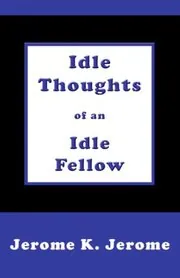
Idle Thoughts of an Idle Fellow
by Jerome K Jerome
1886
This essay collection turns ordinary subjects like weather, money, pets, babies, and memory into cheerful comic pieces. Jerome sounds casual and conversational, but he is always quietly skewering vanity and everyday nonsense.
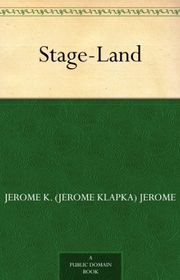
Stage-Land
by Jerome K Jerome
1889
Jerome sends up the stock characters and absurd rules of Victorian theatre, from heroes and villains to comic servants and detectives. It is sharp stage satire, but also a fond look at the world he knew firsthand.
.jpg)
Three Men In A Boat
by Jerome K Jerome
1889
Three friends, plus the dog Montmorency, set off up the Thames hoping rest will cure their imaginary illnesses. What follows is a loose, hilarious chain of boating disasters, memories, and lovingly silly observations.
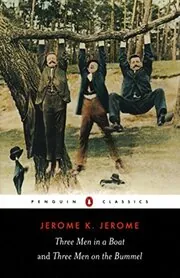
Three Men on the Bummel
by Jerome K Jerome
1889
J., George, and Harris return in this sequel, swapping the Thames for a bicycle tour through Germany. The plot wanders happily through mishaps, arguments, and travel jokes, which is exactly the point.
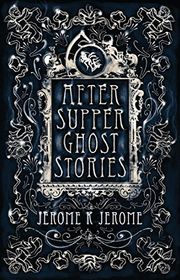
After-Supper Ghost Stories
by Jerome K Jerome
1891
This edition revisits Jerome's comic ghost stories, where Christmas storytelling, unreliable narrators, and eccentric spirits matter as much as the scares. The mood is playful, cozy, and just eerie enough to keep the fire burning late.
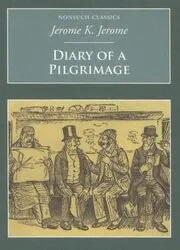
Diary of a Pilgrimage
by Jerome K Jerome
1891
Jerome turns a trip through Germany to see the Oberammergau Passion Play into a comic travel narrative full of packing anxieties, missed expectations, and sharp observation. It is travel writing with equal parts curiosity and self-mockery.
On the Stage--And Off - The Brief Career of a Would-Be-Actor
by Jerome K Jerome
1891
This early memoir follows Jerome's youthful attempt to make it as an actor, from grand hopes to shabby touring reality. It is funny, self-deprecating, and full of backstage glimpses from Victorian theatre life.
The New Utopia
by Jerome K Jerome
1891
In this short satirical fantasy, Jerome imagines a future society built on rigid equality and perfect order. The result is funny on the surface and chilly underneath, an early warning about life planned too neatly.
Told After Supper
by Jerome K Jerome
1891
A Christmas Eve gathering turns into a contest of ghost stories, each tale balancing mild chills with Jerome's comic timing. The book plays with haunted-house conventions without ever taking them too solemnly.
Novel Notes
by Jerome K Jerome
1893
Four would-be novelists decide to write a book together, and the project quickly becomes a tangle of egos, romance, and comic distraction. Jerome pokes fun at authorship while keeping the mood breezy and affectionate.
Second Thoughts of an Idle Fellow
by Jerome K Jerome
1898
Jerome returns to the essay form with more comic meditations on indecision, desire, social manners, and the gap between what people say and what they mean. It is a little sharper than Idle Thoughts, but just as easy to enjoy.
Tea-Table Talk
by Jerome K Jerome
1903
A circle of talkative guests debate love, marriage, art, society, and modern habits over tea. Jerome uses the conversation format to keep the book witty, gossipy, and gently argumentative.
Idle Ideas in 1905
by Jerome K Jerome
1905
Jerome takes up questions about beauty, golf, marriage, servants, patriotism, and other social habits in a run of brisk comic essays. The fun comes from how seriously he pretends to treat subjects that are gloriously trivial.
They and I
by Jerome K Jerome
1909
A father tries to manage country-house life, family chaos, and three strong-minded children, with comic results. Part domestic novel, part string of anecdotes, it turns everyday muddles into warm, lightly satirical fun.
The Master of Mrs. Chilvers
by Jerome K Jerome
1911
This comedy of politics and marriage centers on Annys Chilvers, a suffrage supporter who may stand for Parliament against her own husband. Jerome keeps the debate lively, funny, and surprisingly modern.
All Roads Lead to Calvary
by Jerome K Jerome
1919
Young journalist Joan sets out to make her living with words and gradually confronts larger questions about faith, work, love, and war. It is one of Jerome's more serious novels, but still clear-eyed and humane.
My Life and Times
by Jerome K Jerome
1926
Jerome looks back on poverty, railway work, failed acting, sudden literary success, and later travels with the same dry, chatty humor that made him famous. It is a memoir rich in backstage detail and self-mockery.
Evergreens & Other Short Stories
by Jerome K Jerome
1982
This collection gathers Jerome's shorter fiction and sketches, moving from affectionate comedy to more reflective pieces. Even when the mood shifts, his eye for human foolishness and his easy, chatty style keep everything lively.
The Other Jerome K. Jerome
by Jerome K Jerome
1984
This reader collects Three Men in a Boat with selections from Jerome's other work, showing the range behind his most famous title. It is a handy introduction to his essays, fiction, and theatrical wit.
The Passing of the Third Floor Back and Other Stories
by Jerome K Jerome
2001
Centered on Jerome's famous tale of a mysterious stranger transforming a grim London boarding house, this collection leans more serious and spiritual than his travel comedies. The other stories add irony, mystery, and moral unease.
Told After Supper and Other Stories and Poems of Christmas
by Jerome K Jerome
2006
This Christmas collection mixes Jerome's after-dinner ghost stories with other holiday pieces and verse. It keeps one foot in festive warmth and the other in the old tradition of telling something uncanny by the fire.
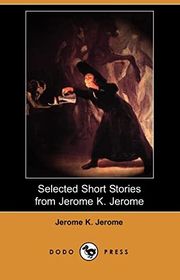
Selected Short Stories From Jerome K. Jerome
by Jerome K Jerome
2007
A compact sampler of Jerome's shorter fiction, this volume shows his mix of humor, sentiment, and sudden strangeness. It works well if you want to try him beyond the better-known travel books.
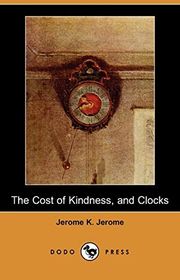
The Cost of Kindness, and Clocks
by Jerome K Jerome
2007
This slim volume pairs a village comedy about unintended consequences with Jerome's famously funny reflections on troublesome timepieces. It is a good snapshot of his gift for turning small annoyances into polished comic set pieces.
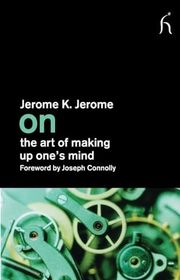
On the Art of Making Up One's Mind
by Jerome K Jerome
2008
In this witty essay, Jerome turns indecision into comedy and philosophy at once. A small choice becomes a full study of hesitation, vanity, and the absurd effort people spend avoiding a simple decision.
The Angel and the Author--And Others
by Jerome K Jerome
2011
This collection of essays and sketches lets Jerome range across modern manners, men and women, work, vanity, and literary life. The title piece alone shows how happily he could mock authors, including himself.
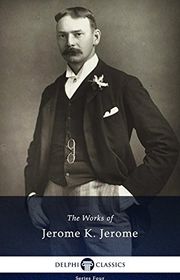
The Works of Jerome K. Jerome
by Jerome K Jerome
2013
An omnibus collection that gathers Jerome's major comic books, essays, and stories in one place. Best for readers who want to browse widely and get a fuller sense of how much more he wrote than one famous river trip.
The Lesson
by Jerome K Jerome
2014
This short piece begins with an odd encounter and gradually slips into stranger territory, as Jerome mixes casual conversation with an unsettling idea that lingers. It is brief, eerie, and more serious than his best-known comic work.
Cycling
by Jerome K Jerome
2016
This Victorian cycling anthology places Jerome among fellow writers from the bicycle boom, mixing comic pieces, travel writing, and period advice. It is less a single narrative than a lively snapshot of a craze on two wheels.

Three Men in the Dark: Tales of Terror
by Jerome K Jerome
2017
This anthology highlights Jerome's darker side, collecting eerie tales of hauntings, obsession, and uncanny encounters, alongside stories by two of his literary friends. It is a useful reminder that he could do unease as well as laughter.
Where to start with Jerome K Jerome
If you want the classic comic trip: Three Men in a Boat → Three Men on the Bummel
If you like witty essays: Idle Thoughts of an Idle Fellow → Second Thoughts of an Idle Fellow → Idle Ideas in 1905
If you want memoir and backstage stories: On the Stage--And Off - The Brief Career of a Would-Be-Actor → My Life and Times
If you want something quieter and more serious: All Roads Lead to Calvary → The Passing of the Third Floor Back and Other Stories
Jerome K Jerome collections, short stories, and related book types
Short Stories/Novellas
Collections
Non-Fiction
Standalone Jerome K Jerome books
Author bio
Jerome K. Jerome was born in Walsall, England, in 1859, and his early life was much less comfortable than the lightness of his books might suggest. His family ran into financial trouble and moved more than once, first within the Midlands and later to east London, so he grew up between provincial beginnings and the rougher, busier life of the city.
He had only a small amount of formal schooling, and he did not think much of it. When his father died in 1871, Jerome was just thirteen and had to leave school to help support the family. He worked as a clerk for the railway, a steady job in one sense, but clearly not the life he imagined for himself.
He wanted the stage.
Inspired in part by his sister Blandina's love of theatre, he joined a touring repertory company and spent about three years trying to become an actor. It did not make him famous, or even secure, but it gave him something better in the long run, material. After that came more false starts, including journalism, teaching, packing work, and a solicitor's office. Rejections piled up. Then, in 1885, he turned his theatrical misadventures into On the Stage--and Off, a comic memoir that finally got him noticed.
A year later came Idle Thoughts of an Idle Fellow, and that book showed what Jerome could do with everyday life. Weather, money, babies, pets, boredom, embarrassment, he could take almost any ordinary subject and worry at it until it became funny. Readers liked the way he wrote as if he were talking across a table rather than performing from a platform. The style felt easy, but the timing was careful.
Then came Three Men in a Boat. Published in 1889, it grew out of a trip on the Thames with friends, though Jerome had originally meant to write something more like a travel book with history mixed in. The jokes took over, and that turned out very well for everybody except perhaps solemn reviewers. Critics often complained that his writing was too colloquial, too vulgar, too close to ordinary speech. The public loved it for exactly those reasons. The book's lazy planning, comic overpacking, river mishaps, and mock-serious voice still feel oddly modern, and it remains the work most people meet first. He later sent the same trio back out into the world in Three Men on the Bummel, this time on bicycles in Germany.
But Jerome was never only the boat man. He wrote stage satire in Stage-Land, comic ghost stories in Told After Supper, family comedy in They and I, and later, more serious fiction in All Roads Lead to Calvary. Readers who keep going usually find the same pleasures waiting for them: chatty narrators, sharp timing, affectionate mockery, and a strong sense that everyday life is already absurd enough without much help.
He also kept one foot in journalism and the theatre. He edited magazines, wrote plays, and eventually had a major stage success with The Passing of the Third Floor Back. The Master of Mrs. Chilvers, built around marriage and women's suffrage, shows that he could bring live political arguments into his work without losing his feel for comedy and conversation.
He contained more range than his reputation suggests.
Jerome married Georgina in 1888 and became part of a ready-made family, helping raise her daughter Elsie. He and Georgina later had a daughter, Rowena. He travelled widely, lectured in the United States, and during the First World War, too old for the British army, served as an ambulance driver with the French army. Late in life he wrote My Life and Times, which is exactly the kind of autobiography you would hope for from him, observant, amused, and never too impressed with itself. He died in 1927, but his voice has lasted unusually well. People often arrive for Three Men in a Boat. A lot of them stay for everything else.







Edited by
Software engineer whose passion for tracking book recommendations from podcasts inspired the creation of MRB.
Lead investor at 3one4 Capital whose startup expertise and love for books helped shape MRB and its growth.
Comments
Did we miss something? Have feedback?
Help us improve this page by sharing your thoughts