
Janitors of the Post-Apocalypse Books in Order
Part ofJim C Hines Books in OrderExplore the Janitors of the Post-Apocalypse books by Jim C. Hines in order, with quick summaries, series background, and reading advice.
Last updated:
As an Amazon Associate, we earn from qualifying purchases (at no extra cost to you).
Janitors of the Post-Apocalypse books in publication order
3 books
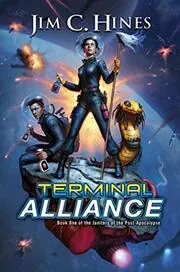
Terminal Alliance
by Jim C Hines
2017
When a bioweapon attack leaves most of a spaceship's humans feral, sanitation chief Mops and her crew become the last sane people on board. To survive, they must fly the ship, cure their crewmates, and expose a conspiracy.
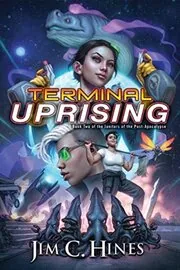
Terminal Uprising
by Jim C Hines
2019
Four months after learning the truth about Earth's fall, Mops returns to a ruined planet in search of answers. A secret Krakau lab and a weapon that could reshape the war turn the mission into a desperate gamble.
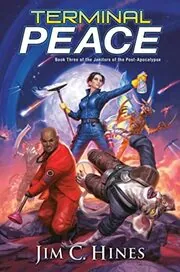
Terminal Peace
by Jim C Hines
2022
Captain Mops and the Pufferfish crew head to the ringed world of Tuxatl as war with the Prodryans worsens. Contact with the Jynx and long-buried secrets could decide humanity's future, if Mops can keep everyone alive.
Janitors of the Post-Apocalypse books in chronological order
Series background & context
At first glance, Janitors of the Post-Apocalypse looks like a joke built around the least glamorous job on a spaceship. That joke is real, and Jim C. Hines gets a lot of mileage out of it. But the series works because he treats the people holding the mops as actual professionals, the kind of crew who know every vent, pipe, and blocked toilet on the ship, and who end up becoming the only people who can keep everything from falling apart.
The main character is Marion Mops Adamopoulos, a human officer in charge of sanitation aboard the Pufferfish. In this future, Earth was wrecked by a plague around the time aliens arrived, and the surviving humans were fixed just enough to join a wider interstellar alliance. That history matters. Humans are still looked down on, still misunderstood, and still carrying the damage of what happened back home. Mops knows all of that before the first crisis begins, which gives the books a sharp point under the humor.
Then the ship falls into chaos.
In Terminal Alliance, a bioweapon attack wipes out the alien command crew and sends most of the humans on board back into a feral state. Mops and her team of janitors, plumbers, and other hygiene specialists are among the few left thinking clearly, which means the people nobody takes seriously have to fly the ship, survive the monsters in the hallways, and piece together a conspiracy much bigger than one attack. The later books, Terminal Uprising and Terminal Peace, widen the scope without losing that scrappy perspective.
This is a space opera series, but it never forgets the worker bees.
As the trilogy goes on, the story keeps circling back to a few big questions: what really happened to Earth, who benefits from the official version of history, and what kind of future humans might still have. The war with the Prodryans pushes the action outward, while trips back to Earth and later contact with the Jynx force Mops to look at identity, leadership, and survival from new angles. The stakes get large, but they always stay personal because Mops is not a chosen hero. She is a tired, capable woman trying to protect her crew and make the best call with bad information.
The tone is one of the best things here. These books are funny, often very funny, but they are not lightweight. Hines likes alien biology, absurd bureaucracy, and gross spaceship problems, yet he also makes room for grief, trauma, and the moral mess of war. If you like found family stories, underdog crews, and science fiction that can crack a joke without ducking the hard stuff, this is the kind of trilogy that earns its weird premise.





Edited by
Software engineer whose passion for tracking book recommendations from podcasts inspired the creation of MRB.
Lead investor at 3one4 Capital whose startup expertise and love for books helped shape MRB and its growth.
Comments
Did we miss something? Have feedback?
Help us improve this page by sharing your thoughts