
Jane Gardam Books in Order
Explore Jane Gardam books in order, with short summaries, series background, and simple where-to-start notes for her adult and children's fiction.
Last updated:
As an Amazon Associate, we earn from qualifying purchases (at no extra cost to you).
Jane Gardam books in publication order
35 books
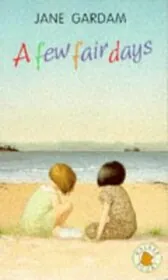
A Few Fair Days
by Jane Gardam
1971
These linked stories follow young Lucy through the small dramas of childhood by the sea, getting lost, getting soaked, meeting relations, and making sense of a large family world. Quietly funny and full of remembered detail.
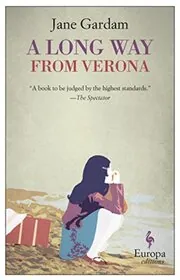
A Long Way from Verona
by Jane Gardam
1971
Jessica Vye is thirteen, convinced she is a writer, and forever in trouble for telling the truth too loudly. Set in wartime Yorkshire, this coming-of-age novel is funny, sharp, and beautifully alert to class, fear, and ambition.
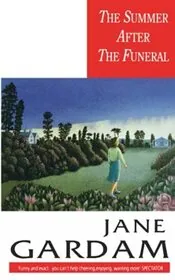
The Summer After the Funeral
by Jane Gardam
1973
After their father's death, three siblings are sent off for the summer while their mother hunts for work. Athene, the eldest, moves through strange lodgings and new attachments in a coming-of-age story that is both comic and emotionally sharp.
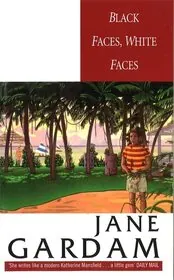
Black Faces, White Faces
by Jane Gardam
1975
Gardam's first book for adults is a linked collection set in Jamaica. The stories watch visitors, expatriates, and locals crossing paths amid class, race, intimacy, and the uneasy afterlife of colonial life.

Bilgewater
by Jane Gardam
1976
Marigold Green, nicknamed Bilgewater, grows up at a boys' boarding school where her father works and her feelings are always a bit too large. Funny and bruising by turns, the novel catches first love, shame, and adolescent self-invention.
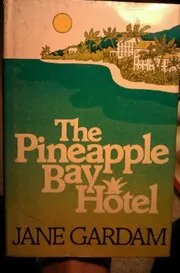
The Pineapple Bay Hotel
by Jane Gardam
1976
Set in Jamaica during the winter tourist season, this short novel watches a seemingly calm hotel fill with tension, surprise, and clashing expectations. Gardam uses the holiday setting to expose class, performance, and the trouble people carry with them.
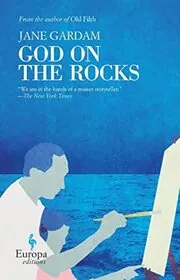
God on the Rocks
by Jane Gardam
1978
During a tense summer on the Yorkshire coast in 1936, eight-year-old Margaret watches the adults around her drift into desire, religion, and disaster. The child's clear gaze gives this seaside novel both comedy and real menace.
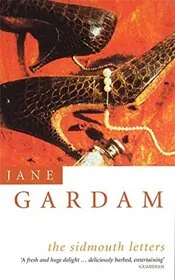
The Sidmouth Letters
by Jane Gardam
1980
This early collection shows Gardam already working in her favorite territory, family awkwardness, social comedy, literary play, and the uncanny edge of ordinary life. The title story, about rumored Jane Austen letters, is especially sly and memorable.
Bridget And William
by Jane Gardam
1981
Bridget treasures William, her tough little pony, even if her father thinks he is useless. A snowstorm and a race for help turn the pair into the heroes of the farm.

The Hollow Land
by Jane Gardam
1981
In a Cumbrian valley shaped by farming, folklore, and change, a group of linked stories follows children and adults through a world that feels both ordinary and enchanted. It is one of Gardam's warmest and strangest books.
Horse
by Jane Gardam
1982
Susan loves the huge white chalk horse cut into the hillside above her village. When a plan threatens to cover it up, she refuses to stand by, turning her love of place into a small act of defiance.
Kit
by Jane Gardam
1983
Seven-year-old Kit is known on her Yorkshire farm as a bit of a cry-baby, but that is not the whole story. When real danger comes, she has to find the steadiness and courage her family has overlooked.

The Pangs of Love and Other Stories
by Jane Gardam
1983
This prize-winning collection moves between comedy, longing, and quiet shock. Gardam writes about desire, disappointment, and private fantasy with a light touch that can turn uncanny before you quite see it happening.
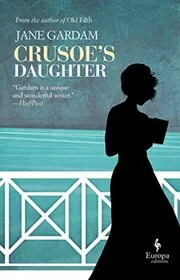
Crusoe's Daughter
by Jane Gardam
1985
Polly Flint grows up feeling marooned in her own life, finding company and courage in Robinson Crusoe. Gardam follows her from lonely girlhood into adulthood in a novel about books, solitude, and the strange ways a person learns to survive.

Kit; Kit in Boots
by Jane Gardam
1986
This volume brings together Kit and Kit in Boots, following a young girl on an isolated Yorkshire farm. First she proves she is braver than her family thinks, then she travels to London as an artist friend marries.
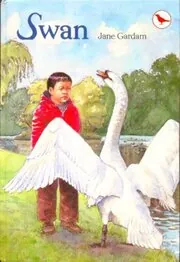
Swan
by Jane Gardam
1987
Pratt, a boy from a privileged school, is told to spend time with silent Henry Wu, whose family live in a London tower block. What begins as awkward duty turns into an unexpected friendship shaped by birds, class, and quiet attention.

Through the Doll's House Door
by Jane Gardam
1987
Mary and Claire once filled an old doll's house with life and imagination. When they grow up and the toys are forgotten, the dolls keep themselves alive with stories, waiting for children to return and open the little house again.

Showing the Flag
by Jane Gardam
1989
These stories circle around Englishness, belonging, memory, and the symbols people cling to when they feel lost. Gardam moves from childhood fear to ghostliness to social comedy, always keeping one eye on class and national pose.
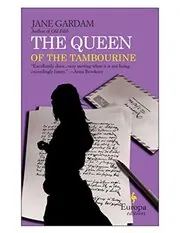
The Queen of the Tambourine
by Jane Gardam
1991
Through a stream of letters to a vanished neighbor, Eliza Peabody's tidy suburban life begins to come apart. Funny, unnerving, and sad, the novel tracks the blur between do-gooding, loneliness, and breakdown.
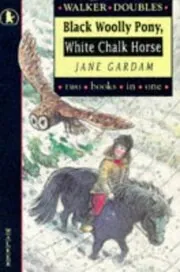
Black Woolly Pony
by Jane Gardam
1993
Bridget longs for a pony, and when sturdy little William arrives her father sees only trouble and expense. Then a fierce winter emergency shows just how useful courage, loyalty, and a small black pony can be.

Trio
by Jane Gardam
1993
Three stories set around Cheltenham give Gardam room to be funny, sharp, and unexpectedly tender. Each piece catches a life at the moment it tilts, when old habits, buried feeling, or simple chance change the mood of everything.

Going Into a Dark House
by Jane Gardam
1994
A collection of stories about hidden motives, family histories, love, and the shadow of death. Gardam keeps the scale small and the feeling exact, letting each ordinary room open onto something stranger and deeper.

Iron Coast
by Jane Gardam
1995
Part travel book, part portrait of place, this nonfiction volume turns to England's northeast coast. Gardam's text pays close attention to weather, industry, local history, and the texture of everyday life along a hard, beautiful shoreline.
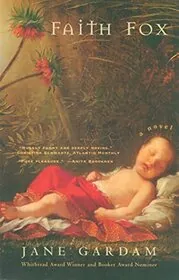
Faith Fox
by Jane Gardam
1996
Faith Fox loses her mother at birth and grows up passed from one damaged adult to another. What follows is a funny, dark, crowded family novel about grief, neglect, religion, and a child still hoping someone will choose her for good.

Tufty Bear
by Jane Gardam
1996
Tufty Bear is no ordinary teddy. In three stories, Harry and Tilly spend time at Sandy Cottage in Dorset and discover that friendship with a magical bear can be funny, comforting, and a little bit demanding too.
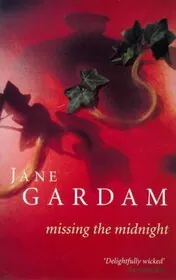
Missing the Midnight
by Jane Gardam
1997
These stories gather Christmas pieces, fables, hauntings, and dark little comedies into one compact collection. Gardam plays with wonder and unease at the same time, moving from family gatherings to ghosts, grotesques, and sharply observed seasonal rituals.
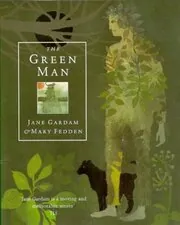
The Green Man
by Jane Gardam
1998
A short story collection in which everyday English life brushes up against myth, memory, and the supernatural. Gardam moves easily from comedy to eeriness, with characters who think they know the world until something strange steps out of the hedgerow.

The Kit Stories
by Jane Gardam
1998
These stories return to Kit, the farm girl with big feelings and hidden bravery. Set on her hill farm, they catch small mishaps, family life, and the moments that show a child growing steadier and more sure of herself.
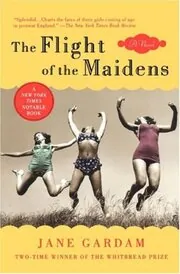
The Flight of the Maidens
by Jane Gardam
2000
In the hot summer of 1946, three seventeen-year-old friends in Yorkshire stand on the edge of university, freedom, and adulthood. Their last season together, shadowed by war and one girl's Kindertransport past, is funny, tender, and quietly unsettling.
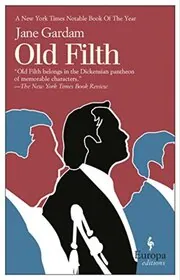
Old Filth
by Jane Gardam
2004
Recently widowed and retired to Dorset, Sir Edward Feathers looks back on a life that ran from a difficult childhood to a glittering legal career in Hong Kong. Beneath the nickname and the dry wit lies a man shaped by abandonment, empire, and long-buried grief.

The People on Privilege Hill and Other Stories
by Jane Gardam
2007
This later collection ranges across old age, memory, longing, and absurd social rituals, with some delightfully odd turns along the way. Gardam writes about elderly people especially well, giving them wit, appetite, and plenty of unfinished business.

The Man in the Wooden Hat
by Jane Gardam
2009
This companion to Old Filth shifts the story to Betty Feathers, moving between England and Hong Kong as her marriage deepens and frays. It is a sharp, sad portrait of duty, silence, childlessness, and the life hidden behind a polished social surface.

The Stories
by Jane Gardam
2012
A generous career-spanning selection of Gardam's short fiction, bringing together comic pieces, ghostly tales, Christmas stories, and quiet heartbreakers. It is the best way to see her range, from sharp realism to the gently uncanny.
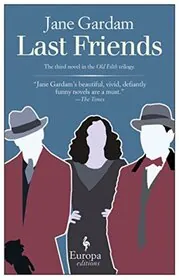
Last Friends
by Jane Gardam
2013
The final Old Filth novel turns to Terry Veneering, Edward Feathers's brilliant rival and uneasy friend. Through late memories and the last survivors of their circle, Gardam closes the trilogy with wit, regret, and a fresh view of an old love triangle.

The Stories of Jane Gardam
by Jane Gardam
2014
This wide-ranging selected volume gathers many of Gardam's finest stories in one place. Across decades of work, she moves from humor to melancholy to strangeness while keeping a close eye on hidden lives and private desires.
Where to start with Jane Gardam
If you want the Old Filth trilogy first: Old Filth → The Man in the Wooden Hat → Last Friends
If you want sharp, strange adult standalones: The Queen of the Tambourine → Faith Fox → Crusoe's Daughter
If you want wartime and postwar coming-of-age novels: A Long Way from Verona → The Flight of the Maidens → God on the Rocks
If you want to start with her children's fiction: The Hollow Land → Kit → Through the Doll's House Door
Jane Gardam sub-series and character series
Jane Gardam collections, short stories, and related book types
Short Story Collections
Non-Fiction
Standalone Jane Gardam books
Author bio
Jane Gardam was born Jean Mary Pearson in Coatham, on the Yorkshire coast, in 1928, and grew up between the North Riding and Cumberland, with summers on her grandfather's farm. Those landscapes stayed with her. So did the speech rhythms, the churches, the weather, and the feeling of children listening hard to adults and understanding more than they were supposed to.
At seventeen she won a scholarship to read English at Bedford College in London. The move opened up theatre, books, and city life, but money was tight. She later said she had wanted to be an academic, began doctoral work, and then changed course.
Instead, she took a string of bookish jobs. She worked as a Red Cross travelling librarian in hospital libraries, then moved into journalism and editing, including a stretch at Time and Tide. In 1954 she married David Gardam, a barrister, and the couple had three children.
For years, family life came first.
Gardam had written as a child, but her real publishing life began later. She often said she started properly on the morning her youngest child went to school in 1970. Very quickly, the books started coming: A Long Way from Verona and A Few Fair Days in 1971, then The Summer After the Funeral, Bilgewater, and a steady run of children's books, stories, and adult fiction.
Readers who meet her through A Long Way from Verona usually remember Jessica Vye, the bright, awkward wartime schoolgirl who already knows she wants to write. Others start with God on the Rocks, set on the Yorkshire coast in the 1930s, or with Crusoe's Daughter, her strange and moving novel about Polly Flint and the inner life she builds from books. Much later came Old Filth, followed by The Man in the Wooden Hat and Last Friends, three companion novels about marriage, friendship, memory, and the fading world of the British empire.
Short stories mattered to her just as much as novels.
Collections such as Black Faces, White Faces, The Sidmouth Letters, Missing the Midnight, and The People on Privilege Hill show how easily she could move from realism to ghostliness, from sharp comedy to something almost uncanny. She could be very funny about lonely people.
That mix of comedy and hurt runs through almost everything she wrote. Gardam kept returning to outsiders, clever girls, damaged families, elderly men and women with long memories, and people caught between duty and desire. Class, religion, English manners, and the afterlife of empire all matter in her work, but she rarely turns them into lectures. She lets them arrive through voice, setting, and the tiny shocks of daily life.
If you want the plain facts, they are there too. God on the Rocks was shortlisted for the Booker Prize. The Hollow Land and The Queen of the Tambourine won Whitbread prizes in different categories, which made her the only writer to win the award for both children's and adult fiction. She was made an OBE in 2009.
Her later years were spent in Kent, especially Sandwich, where she was active in local literary life, before moving to Chipping Norton in her final years. Her husband died in 2010, and she died in April 2025 at the age of ninety-six. By then she had built one of the most quietly varied bodies of work in modern English fiction, books for children, adults, and anyone who likes sharp observation with a little strangeness at the edges.



Edited by
Software engineer whose passion for tracking book recommendations from podcasts inspired the creation of MRB.
Lead investor at 3one4 Capital whose startup expertise and love for books helped shape MRB and its growth.
Comments
Did we miss something? Have feedback?
Help us improve this page by sharing your thoughts