
Irwin Shaw Books in Order
Browse Irwin Shaw books in order, from The Young Lions to Rich Man, Poor Man, with short summaries, series notes, and easy where-to-start picks.
Last updated:
As an Amazon Associate, we earn from qualifying purchases (at no extra cost to you).
Irwin Shaw books in publication order
27 books

Bury the Dead
by Irwin Shaw
1935
In Shaw's early antiwar play, six dead soldiers rise from a mass grave and refuse to be buried. Their stand turns the stage into a furious argument about duty, grief, and the machinery of war.

Sailor Off the Bremen and Other Stories
by Irwin Shaw
1939
Shaw's first story collection moves through Depression-era streets, working lives, bruised marriages, and political anger. It also includes The Girls in Their Summer Dresses, one of his best-known and most durable stories.

Act of Faith and Other Stories
by Irwin Shaw
1946
These wartime stories follow soldiers and civilians under pressure, where fear, prejudice, and chance can change everything. The collection includes some of Shaw's strongest short fiction about World War II and its moral strain.
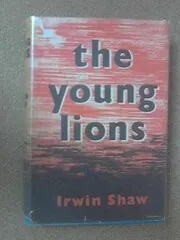
The Young Lions
by Irwin Shaw
1948
Shaw follows three soldiers through World War II, a German sergeant, a Jewish American infantryman, and a disillusioned American in uniform. Their crossing stories make the war feel vast, intimate, and brutally human.

Mixed Company
by Irwin Shaw
1950
This large collection gathers stories of city life, marriage, ambition, war, and Jewish identity from across Shaw's early career. The range is wide, but the mood stays sharp, humane, and alert to how people fail each other.
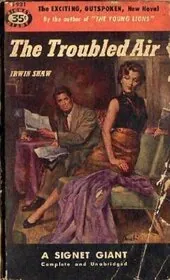
The Troubled Air
by Irwin Shaw
1951
Radio producer Clement Archer is ordered to fire colleagues accused of being communists or face public ruin himself. Shaw turns the blacklist era into a tense moral drama about fear, compromise, and conscience.
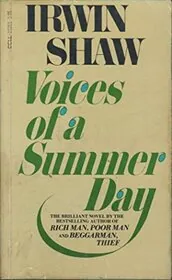
Voices of a Summer Day
by Irwin Shaw
1951
During his son's baseball game, Benjamin Federov looks back over fifty years of American life, family, love, and war. The novel moves through memory with warmth, regret, and the ache of time passing.
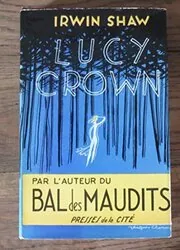
Lucy Crown
by Irwin Shaw
1956
In 1937, Lucy Crown is trapped in a chilly marriage and drawn to her frail son's young companion. One brief affair reshapes a family, and the novel follows the damage, distance, and longing that linger for years.

Tip on a Dead Jockey
by Irwin Shaw
1957
Set largely among Americans abroad, these stories deal in bad bets, compromised loyalties, and lives slightly off balance. The title piece follows a washed-up former pilot lured toward risky, shady work.
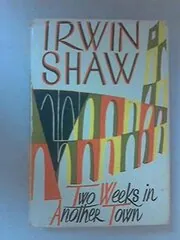
Two Weeks In Another Town
by Irwin Shaw
1960
Actor John Andrus thinks a trip to Rome may be his last good break. Instead he lands in a whirl of movie-set politics, old resentments, and romantic complications that make every day less certain.

Selected Short Stories of Irwin Shaw
by Irwin Shaw
1961
A curated introduction to Shaw's short fiction, this volume brings together many of his most anthologized pieces. Expect urban marriages, wartime tension, lost chances, and the clean, driving storytelling that made him famous.
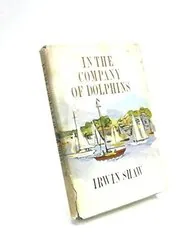
In the Company of Dolphins
by Irwin Shaw
1964
Shaw turns to nonfiction in this easygoing memoir of a Mediterranean sailing trip with his family. From St. Tropez to Venice, it mixes travel, small mishaps, and the pleasure of seeing Europe from the water.

Love on a Dark Street
by Irwin Shaw
1965
These stories circle around love, loneliness, and the awkward ways people miss one another. Moving between America and Europe, Shaw writes about marriages, affairs, and private disappointments without losing his eye for comedy.
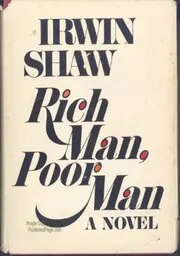
Rich Man, Poor Man
by Irwin Shaw
1969
Rudolph, Tom, and Gretchen Jordache grow up in a hard family on the Hudson and push toward very different futures. This big postwar saga tracks love, money, class, and the bruising ways families shape a life.

Whispers In Bedlam
by Irwin Shaw
1972
Three novellas trace people pushed into strange situations and hard choices. The stories are brisk, ironic, and often unsettling, with Shaw watching how quickly confidence can turn into confusion or danger.
Evening In Byzantium
by Irwin Shaw
1973
At Cannes, a once celebrated filmmaker tries to rescue a career that has been slipping away. Behind the Riviera glamour, Shaw builds a tense, weary story about ambition, memory, and the private cost of success.

God Was Here But He Left Early
by Irwin Shaw
1973
Five long stories look at grief, desperation, and the odd turns that unsettle ordinary lives. It is a later collection, darker in mood, but still full of Shaw's quick pacing and sharp emotional observation.
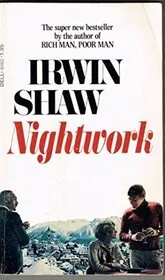
Nightwork
by Irwin Shaw
1975
Grounded pilot Douglas Grimes is stuck working nights at a shabby hotel until a dead guest leaves a fortune within reach. Easy money draws him into European schemes, elegant criminals, and trouble that keeps getting worse.
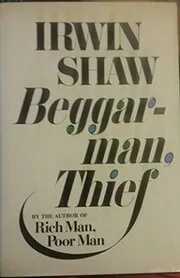
Beggarman, Thief
by Irwin Shaw
1977
After violence pulls the Jordache clan back together, Tom's son Wesley goes looking for answers about his father's death. The sequel widens the family saga with old grudges, new dangers, and another generation under pressure.
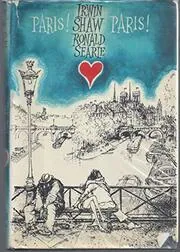
Paris! Paris!
by Irwin Shaw
1977
Part travelogue, part love letter, this book wanders through Paris after the war, from cafe tables to side streets and changing seasons. Shaw writes about the city's moods, habits, and pleasures with a sharp, affectionate eye.

Short Stories
by Irwin Shaw
1978
Spanning five decades and sixty-three pieces, this big collection shows Shaw at work across war stories, city tales, family dramas, and quiet heartbreaks. It is the broadest single view of his short fiction.
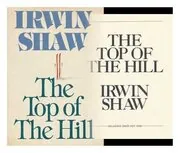
The Top of the Hill
by Irwin Shaw
1979
A restless New York businessman becomes addicted to danger, from skydiving to extreme skiing. As he sheds his job, marriage, and old life, the search for exhilaration slowly turns into a search for meaning.
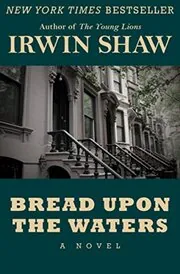
Bread Upon the Waters
by Irwin Shaw
1981
A Manhattan family helps a mugging victim and learns he is a powerful Wall Street lawyer. His gratitude opens doors, but every favor comes with a price, and the Strands begin losing sight of what matters.
Acceptable Losses
by Irwin Shaw
1982
Roger Damon is a successful literary agent until an anonymous caller threatens to expose old sins. As he digs through his past for answers, the search puts his family, friends, and carefully built life at risk.

Retreat
by Irwin Shaw
1988
This collection brings together stories of war, travel, marriage, and moral unease. The title piece, set around the German retreat from Paris, gives the book a haunted edge, but the rest ranges widely in place and tone.
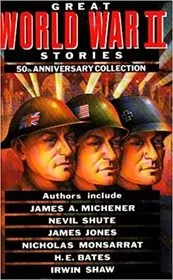
Great World War II Stories
by Irwin Shaw, JG Ballard, Nevil Shute, Ewen Montagu, James Jones, W. Stanley Moss, James A. Michener, Richard Hillary, Kurt Vonnegut, Evelyn Waugh, Norman Mailer, Charles James Rolo, Bruce Marshall, Paul Brickhill, Graham Brooks, Cornelius Ryan, R. J. Minney, Lindsay Baly, P. R. Reed, Guy Gibson, Nella Last, Joseph Heller, Martha Gellhorn, Raymond Paull, H. E. Bates, Ronald Seth, John Prebble, Nancy Wake, F. J. Salfeld, John Steinbeck, Nicholas Monsarrat, R. L. Crimp, James Aldridge, Robert J. Casey & John Hersey
1989
An anthology of significant short fiction about World War II. Michener provides the introduction and selects stories that capture the global scale and human cost of the conflict.

Welcome to the city and other stories
by Irwin Shaw
2002
Shaw's second collection turns a hard look on Depression-era America, especially working people squeezed by money and class. The stories are political without preaching, and full of city pressure, ambition, and disappointment.
Where to start with Irwin Shaw
If you want his biggest war novel: The Young Lions
If you want a sweeping family saga: Rich Man, Poor Man → Beggarman, Thief
If you like show business and Europe: Two Weeks In Another Town → Evening In Byzantium
If you want short fiction first: Sailor Off the Bremen and Other Stories → Tip on a Dead Jockey → Short Stories
Irwin Shaw sub-series and character series
Irwin Shaw collections, short stories, and related book types
Plays
Collections
Non-Fiction
Standalone Irwin Shaw books
by Irwin Shaw, JG Ballard, Nevil Shute, Ewen Montagu, James Jones, W. Stanley Moss, James A. Michener, Richard Hillary, Kurt Vonnegut, Evelyn Waugh, Norman Mailer, Charles James Rolo, Bruce Marshall, Paul Brickhill, Graham Brooks, Cornelius Ryan, R. J. Minney, Lindsay Baly, P. R. Reed, Guy Gibson, Nella Last, Joseph Heller, Martha Gellhorn, Raymond Paull, H. E. Bates, Ronald Seth, John Prebble, Nancy Wake, F. J. Salfeld, John Steinbeck, Nicholas Monsarrat, R. L. Crimp, James Aldridge, Robert J. Casey & John Hersey
1989
Author bio
Irwin Shaw was born Irwin Gilbert Shamforoff in the South Bronx on February 27, 1913, the son of Jewish immigrant parents. Soon after, his family moved to Brooklyn, and that borough stayed central to his imagination. He later changed his surname while in college and graduated from Brooklyn College in 1934.
He did not come to fiction by waiting around for inspiration. In his early twenties he was already writing radio scripts for popular shows like Dick Tracy, The Gumps, and Studio One. At twenty-three he made a sudden splash with Bury the Dead, an antiwar play in which dead soldiers refuse to stay buried.
Short fiction mattered just as much to him.
During the late 1930s and 1940s he became one of the familiar fiction names in American magazines, especially The New Yorker. Stories like The Girls in Their Summer Dresses and The Eighty-Yard Run show what he could do so well, clear setup, sharp social observation, and ordinary people caught at the exact moment their lives start to tilt.
Then the war changed the scale of everything.
Shaw served in the U.S. Army as a warrant officer with a documentary film unit in Europe during World War II. What he saw there fed directly into The Young Lions, his first novel, a large, unsentimental war book that follows men on different sides of the conflict. He kept returning to war and its aftershocks throughout his career, not just battlefield danger, but guilt, fear, anti-Semitism, ambition, and the way public events get under private skin.
His next novel, The Troubled Air, took on McCarthyism and the pressure of political conformity in American broadcasting. Around the same time, Shaw himself was caught in the blacklist era, and in 1951 he left the United States for Europe. He spent much of the next twenty-five years living in Paris and Switzerland, and that expatriate life shows up again and again in his work.
Europe stayed with him.
Books from the next stretch of his career often mix American restlessness with European glamour, fatigue, or danger. Lucy Crown is tight domestic drama. Two Weeks In Another Town and Evening In Byzantium move through film circles and worn-out ambitions. Rich Man, Poor Man, probably his best-known later novel, widens out into a big family saga about the Jordaches, money, class, and the long reach of childhood. Its sequel, Beggarman, Thief, returns to the same damaged family from a later angle.
Shaw was married to Marian Edwards, and they had a son, Adam, who became a writer too. Even when his books grew larger and more commercial, he kept the habits of a short story writer. He liked pressure, quick turns, and people forced to show who they were. Readers tend to come to him for different reasons, the sweep of The Young Lions, the family sprawl of Rich Man, Poor Man, the cool sadness of Lucy Crown, or the bite and polish of the stories. But the thread through all of it is his interest in what success, war, sex, money, and memory do to ordinary human beings.
He died in Davos, Switzerland, on May 16, 1984. What remains is a body of work that moves easily from Broadway to battlefields, from Brooklyn streets to the Riviera, and from compact short stories to big, driving novels. That range is part of the appeal. So is the fact that he almost always tells the story straight.





Edited by
Software engineer whose passion for tracking book recommendations from podcasts inspired the creation of MRB.
Lead investor at 3one4 Capital whose startup expertise and love for books helped shape MRB and its growth.
Comments
Did we miss something? Have feedback?
Help us improve this page by sharing your thoughts