
India Trilogy Books in Order
Part ofVS Naipaul Books in OrderExplore the India Trilogy by V. S. Naipaul in order, with book summaries, travel background, major themes, and simple guidance on how to approach this influential nonfiction series.
Last updated:
As an Amazon Associate, we earn from qualifying purchases (at no extra cost to you).
India Trilogy books in publication order
3 books
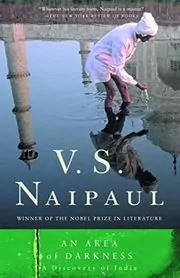
An Area of Darkness
by VS Naipaul
1964
Naipaul’s first India book records his early‑1960s journey through the subcontinent, from bustling cities to Himalayan valleys, as he confronts poverty, bureaucracy and caste, and measures the romantic India of his imagination against the difficult country he actually encounters.
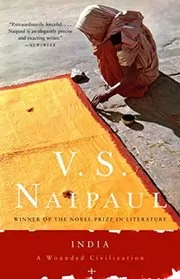
A Wounded Civilization
by VS Naipaul
1976
Written on a later visit during the Emergency, this second India volume steps back from day‑to‑day travel to examine history, religion and social habits, asking how an old civilization marked by defeat and hierarchy can find the resources to renew itself.
A Million Mutinies Now
by VS Naipaul
1990
In the trilogy’s final book, Naipaul travels through India’s major cities, listening to businessmen, migrants, militants and writers describe their own struggles. The result is a dense, interview‑driven portrait of a country full of small acts of rebellion and self‑assertion.
India Trilogy books in chronological order
Series background & context
The India Trilogy brings together three long works of nonfiction that follow Naipaul’s changing relationship with the country of his ancestors over nearly three decades. Each book grows out of a different journey, and together they trace both India’s transformations and his own.
An Area of Darkness begins with his first extended visit in the early 1960s. Travelling from Bombay and the plains up into Kashmir, he writes as a newcomer trying to match childhood images of India with the crowded trains, slums, bureaucracies and mountain landscapes he actually encounters. The book is intensely personal, full of unease and homesickness as he confronts poverty, caste and the distance between romantic memory and lived reality.
More than a decade later, India: A Wounded Civilization returns during the years of political Emergency. This time he looks less at day‑to‑day travel and more at what he sees as deep historical patterns in religion, social hierarchy and ideas of destiny. The tone is cooler, sometimes bleak, as he asks how a civilization that has absorbed so much conquest and disruption can renew itself.
India: A Million Mutinies Now completes the sequence with a much wider canvas. Naipaul moves anti‑clockwise through major cities, listening to traders, activists, officials, migrants, religious converts and small entrepreneurs describe their own lives. Rather than stand above them, he lets their voices lead, building a layered picture of a country full of small acts of rebellion and self‑assertion.
Across the trilogy, the focus shifts from his private disillusionment to other people’s struggles to define themselves in a changing democracy. Themes of caste, faith, language and political ambition run through every volume, but the later book is more open to India’s energy and possibility, even while it notes corruption and conflict. Readers see the same places revisited years later, altered by new roads, television, money and expectations.
The trilogy rewards being read in order.
You watch both India and the observer age together, in writing that blends travel, reportage and autobiography into a single, insistent voice, sometimes harsh, sometimes reflective, but always trying to understand how a modern nation lives with an immense past.














Edited by
Software engineer whose passion for tracking book recommendations from podcasts inspired the creation of MRB.
Lead investor at 3one4 Capital whose startup expertise and love for books helped shape MRB and its growth.
Comments
Did we miss something? Have feedback?
Help us improve this page by sharing your thoughts