
Ian Buruma Books in Order
Explore Ian Buruma's books in order, with concise summaries, background on his writing across Asia and Europe, plus clear suggestions for where to begin.
Last updated:
As an Amazon Associate, we earn from qualifying purchases (at no extra cost to you).
Ian Buruma books in publication order
23 books
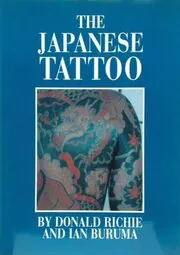
Japanese Tattoo
by Ian Buruma
1980
Donald Richie's text and Ian Buruma's photographs explore the history, symbolism, craft, and social meaning of tattooing in Japan. The book looks at traditional designs and the people who carried a once-stigmatized art on their skin.
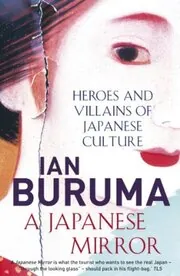
Behind the Mask / A Japanese Mirror
by Ian Buruma
1984
Buruma looks beneath familiar images of Japan through its popular culture, sexual myths, gangsters, performers, sacred figures, and social roles. It is an observant tour of the fantasies and contradictions shaping modern Japanese life.
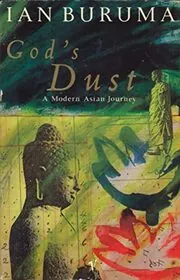
God's Dust
by Ian Buruma
1989
Based on travels across Asia, these essays examine countries balancing modernization with older ideas of culture and national identity. Buruma visits Burma, Thailand, the Philippines, Malaysia, Singapore, Taiwan, South Korea, and Japan.
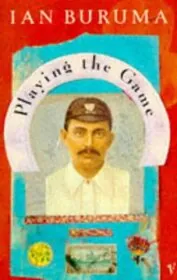
Playing the Game
by Ian Buruma
1991
A Dutch journalist in India becomes absorbed by the life of K. S. Ranjitsinhji, the princely cricketer who played for England. The novel uses cricket to probe class, race, empire, and the fragile business of belonging.
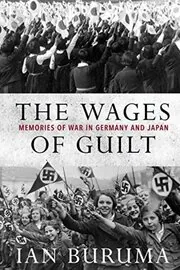
The Wages of Guilt
by Ian Buruma
1994
Buruma compares Germany and Japan's efforts to remember, deny, and reckon with their wartime crimes. Through encounters with veterans, survivors, artists, politicians, and activists, he shows how unresolved history shapes national identity.
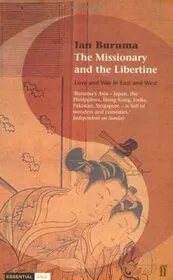
The Missionary And The Libertine
by Ian Buruma
1996
In essays on Asia and the West, Buruma takes apart the fantasies each side projects onto the other. He ranges through politics, film, sexuality, nationalism, and public life, arguing that cultural differences are often exaggerated.
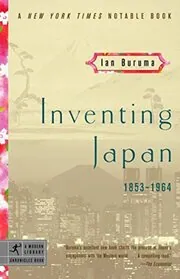
Inventing Japan
by Ian Buruma
1999
This concise history follows Japan from Commodore Perry's arrival in 1853 to the 1964 Tokyo Olympics. Buruma charts the country's rushed modernization, imperial expansion, wartime collapse, and difficult emergence as a postwar democracy.
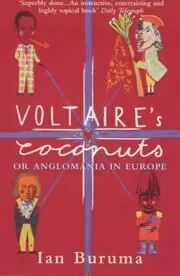
Voltaire's Coconuts / Anglomania In Europe
by Ian Buruma
1999
Buruma explores Europe's long fascination with England through writers, exiles, reformers, and admirers from Voltaire onward. The result is a lively cultural history of British liberty, eccentricity, class, and the gap between England's image and reality.
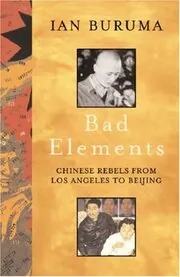
Bad Elements
by Ian Buruma
2001
Buruma follows Chinese dissidents, exiles, activists, and would-be democrats from Beijing to Taiwan, Singapore, and the United States. Their lives challenge easy assumptions about Chinese unity, political obedience, and the prospects for individual freedom.
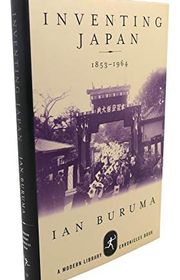
Inventing Japan, 1853-1964
by Ian Buruma
2003
Buruma recounts the making of modern Japan, from forced opening to the West in 1853 through empire, defeat, occupation, and the 1964 Olympics. He focuses on the political choices and myths behind a rapid national transformation.
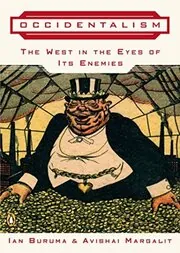
Occidentalism
by Ian Buruma
2004
Written with Avishai Margalit, this study examines hostile fantasies about the West, from anti-modern nationalism to religious extremism. It traces how images of a soulless, decadent West have fueled political resentment and violence.
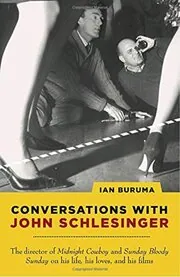
Conversations with John Schlesinger
by Ian Buruma
2006
Buruma interviews his uncle, director John Schlesinger, about family, sexuality, film, and a career that ranged from British cinema to Hollywood. Schlesinger recalls making *Midnight Cowboy*, working with major stars, and navigating fame.
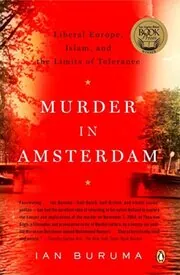
Murder in Amsterdam
by Ian Buruma
2006
After filmmaker Theo van Gogh was killed in Amsterdam in 2004, Buruma returned to investigate the crime and its aftermath. The book explores radicalization, immigration, political Islam, free speech, and the limits of Dutch tolerance.
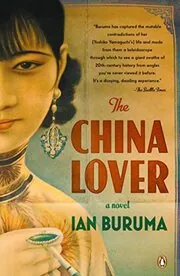
The China Lover
by Ian Buruma
2008
This historical novel reimagines the life of Yamaguchi Yoshiko, a Japanese star known by different names in China, Japan, and America. Her shifting identity mirrors the wars, occupations, ambitions, and divided loyalties of modern East Asia.
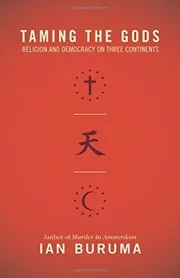
Taming the Gods
by Ian Buruma
2010
Buruma explores the uneasy relationship between religion and liberal democracy in the United States, Europe, China, and Japan. He argues that faith can have a public role, but political and religious authority must remain separate.
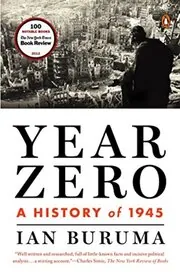
Year Zero
by Ian Buruma
2013
Buruma examines 1945 as a global turning point, when liberation, starvation, revenge, and political rebuilding followed World War II. Moving between Europe and Asia, he shows how the uncertain postwar order began amid immense human upheaval.
Theater of Cruelty
by Ian Buruma
2014
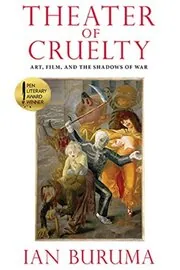
This essay collection considers war, violence, art, film, and public memory, from occupied Paris and Anne Frank to Japanese militarism and popular culture. Buruma asks how artists and societies confront cruelty without looking away.
Their Promised Land
by Ian Buruma
2016
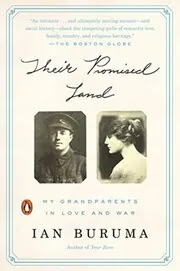
Drawing on his grandparents' letters, Buruma tells the story of Winifred and Bernard Schlesinger's marriage across two world wars. Their family history becomes a moving exploration of Englishness, Jewish identity, assimilation, and loyalty.
A Tokyo Romance
by Ian Buruma
2018
In this memoir, Buruma recalls arriving in Tokyo in 1975 and plunging into its underground theater, film, nightlife, and art scenes. It is a candid story of an outsider finding freedom while remaining visibly foreign.
The Churchill Complex
by Ian Buruma
2020
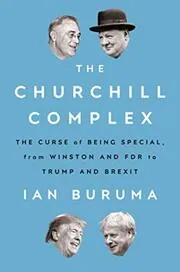
Buruma traces the Anglo-American special relationship from Roosevelt and Churchill through Brexit and Donald Trump. Looking at prime ministers and presidents in pairs, he asks how nostalgia, power, and national myth changed an unequal alliance.
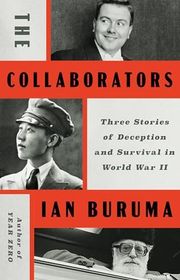
The Collaborators
by Ian Buruma
2023
Buruma investigates three elusive figures linked to wartime collaboration: Felix Kersten, Kawashima Yoshiko, and Friedrich Weinreb. Their conflicting stories reveal how survival, self-invention, and political myth can blur the line between villainy and heroism.
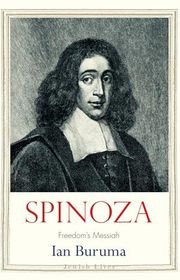
Spinoza: Freedom's Messiah
by Ian Buruma
2024
Buruma examines Baruch Spinoza's life in seventeenth-century Amsterdam and the ideas that made him a radical outsider. The biography considers exile, Jewish identity, religious conflict, and Spinoza's lasting defense of freedom of thought.
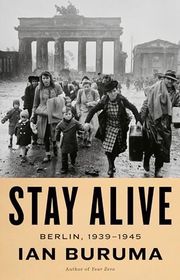
Stay Alive: Berlin, 1939-1945
by Ian Buruma
2026
Buruma reconstructs everyday life in wartime Berlin through letters, diaries, archives, and eyewitness accounts. Against a backdrop of bombing, hunger, fear, and repression, he follows the compromises and acts of courage that survival demanded.
Where to start with Ian Buruma
For postwar history: Year Zero → The Wages of Guilt → Stay Alive: Berlin, 1939-1945
For Japan and East Asia: Inventing Japan → A Tokyo Romance → Behind the Mask / A Japanese Mirror
For politics and public life: Murder in Amsterdam → Taming the Gods → The Churchill Complex
For intimate lives within history: Their Promised Land → The Collaborators → Spinoza: Freedom's Messiah
Ian Buruma collections, short stories, and related book types
Non-Fiction Books
Standalone Ian Buruma books
Author bio
Ian Buruma was born in The Hague, Netherlands, on December 28, 1951, and grew up in a family with Dutch and British roots. That mixed inheritance, along with family memories of war and displacement, would later give his writing a personal stake in questions of belonging, national identity, and the stories countries tell about themselves.
He studied Sinology at Leiden University from 1971 to 1975, then went to Tokyo to study Japanese cinema at Nihon University. Japan had already caught his attention after he saw experimental Japanese theater in Europe. Tokyo was not an abstract subject for long. It became the place where he learned how much culture can reveal about politics, desire, status, and everyday life.
During the late 1970s, Buruma worked in Tokyo as a film critic, photographer, and journalist. He took part in underground theater and butoh dance, made documentaries, and moved through a city full of artists, performers, and people remaking themselves. Those years later became the lively center of A Tokyo Romance, his memoir of arriving in Japan young, restless, and ready to be surprised.
Then journalism took him farther.
In the 1980s, he worked as cultural editor of the Far Eastern Economic Review in Hong Kong and reported across Asia as a freelance writer. His early books, including Behind the Mask and God's Dust, look beyond tidy ideas of an unchanging East. He writes about popular culture, nationalism, sexuality, religion, modernization, and the odd ways people hold on to tradition while embracing change.
War and its long aftermath have remained another major thread. In The Wages of Guilt, Buruma compares how Germany and Japan remembered, argued over, and sometimes avoided responsibility for the Second World War. Year Zero widens the frame to 1945, following ruined cities, hunger, revenge, liberation, reconstruction, and the beginnings of the postwar world in Europe and Asia. His father, who survived forced labor in wartime Berlin, gives that history an intimate edge.
He is interested in the gray areas.
That interest runs through Murder in Amsterdam, his investigation of Theo van Gogh's killing and the pressures surrounding Islam, free expression, immigration, and Dutch liberalism. It also shapes The Collaborators, which follows three wartime figures whose lives became tangled in deception, survival, mythmaking, and betrayal. Buruma does not treat history as a simple contest between heroes and villains. He is more concerned with how people explain themselves, and why others choose to believe them.
His books also range beyond Asia and the Second World War. Their Promised Land uses his grandparents' letters to tell a family story shaped by love, Jewish identity, English life, and two world wars. The Churchill Complex examines the changing relationship between Britain and the United States. In Spinoza: Freedom's Messiah, he turns to the Dutch philosopher's defense of free thought and speech.
Buruma has edited and written for major journals, served as editor of The New York Review of Books, and has taught journalism and human rights at Bard College. His work has received the Los Angeles Times Book Prize, the Erasmus Prize, and the PEN/Diamonstein-Spielvogel Award for Theater of Cruelty. Across journalism, history, memoir, and fiction, he keeps returning to the same useful question: what happens when private lives collide with the big ideas of their time?







Edited by
Software engineer whose passion for tracking book recommendations from podcasts inspired the creation of MRB.
Lead investor at 3one4 Capital whose startup expertise and love for books helped shape MRB and its growth.
Comments
Did we miss something? Have feedback?
Help us improve this page by sharing your thoughts