
Ian McEwan Books in Order
This page collects Ian McEwan books in order, with summaries, background on his novels, stories and screenplays, plus a simple guide to where to start reading.
Last updated:
As an Amazon Associate, we earn from qualifying purchases (at no extra cost to you).
Ian McEwan books in publication order
31 books
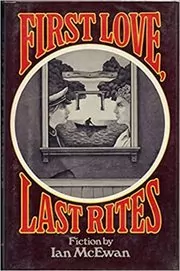
First Love, Last Rites
by Ian McEwan
1975
McEwan’s debut collection gathers eight unsettling stories of adolescence and desire, where ordinary English settings tilt toward the grotesque. From first love to family tensions, each tale probes the edge between intimacy, cruelty and dark fantasy.
Recommended by
1 person Christopher Hitchens recommended this book
Christopher Hitchens
"By then, 'everyone' had been mesmerized by [this book]." - Christopher Hitchens
Christopher Hitchens's recommendation of this book
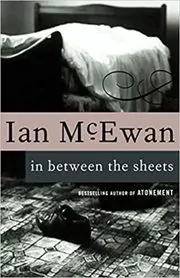
In Between the Sheets
by Ian McEwan
1978
This second collection of short fiction pushes McEwan’s early obsessions even further, with strange, dreamlike stories of fraught relationships, power games and erotic missteps, where everyday life keeps sliding into the uncanny and unsettling.
Recommended by
1 person- Christopher Hitchens recommended this book
Christopher Hitchens
"By then, 'everyone' had been mesmerized by [this book]." - Christopher Hitchens
Christopher Hitchens's recommendation of this book
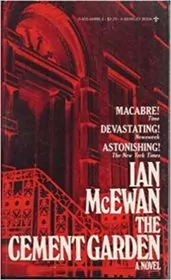
The Cement Garden
by Ian McEwan
1978
When four siblings lose both parents in quick succession, they encase their mother’s body in cement in the cellar to keep authorities away. As isolation deepens in their decaying house, childhood games slide toward taboo and the family dynamic warps into something perilous.
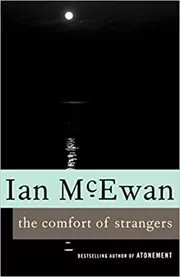
The Comfort of Strangers
by Ian McEwan
1981
A drifting English couple on holiday in a nameless, canal-laced city fall under the spell of Robert and Caroline, a charismatic but disturbing local pair. What begins as a slightly menacing friendship becomes a claustrophobic tale of control, complicity and violence.
The Imitation Game
by Ian McEwan
1981
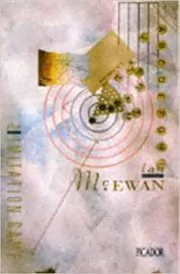
Collecting several of McEwan’s early television plays, this volume centres on stories like The Imitation Game, in which a young woman joins the wartime signal corps and glimpses the secretive world of Bletchley Park while colliding with class and gender barriers.
Or Shall We Die?
by Ian McEwan
1983
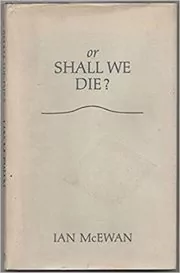
Written as the text for Michael Berkeley’s pacifist oratorio, this meditation on the nuclear arms race asks whether humanity will change or destroy itself. The choral verses move between apocalyptic imagery and a plea for gentler, more humane ways of thinking about power.
The Ploughman's Lunch
by Ian McEwan
1985
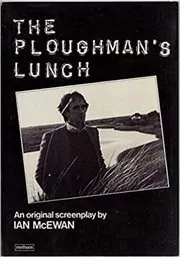
As a published screenplay, this drama follows ambitious journalist James Penfield through Thatcher‑era London and the Falklands War. Reporting on nationalism while rewriting his own past, he navigates media spin, political opportunism and the cost of self‑invention.
The Child in Time
by Ian McEwan
1987
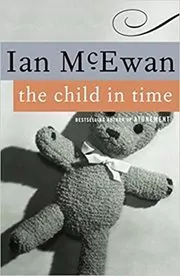
When children’s author Stephen Lewis momentarily looks away in a supermarket, his three‑year‑old daughter vanishes. Years later he drifts through government committees, a fractured marriage and strange experiences of time slipping, in a novel about loss, politics and the elasticity of reality.
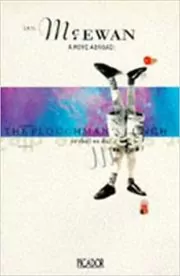
A Move Abroad
by Ian McEwan
1989
This volume brings together McEwan’s text for the anti‑nuclear oratorio Or Shall We Die? and the screenplay The Ploughman’s Lunch. Read together, they show him moving from fiction into public, performance‑driven works about power, memory and the stories nations tell themselves.
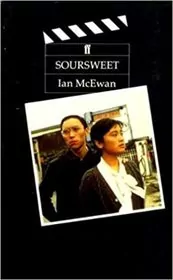
Soursweet
by Ian McEwan
1989
Here McEwan adapts Timothy Mo’s novel about a young Hong Kong couple who move to 1960s England, work gruelling hours in restaurants and dream of their own business. The screenplay balances family comedy with rising danger as gambling debts pull them into the orbit of Triads.
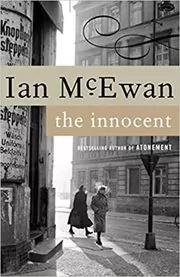
The Innocent
by Ian McEwan
1990
In 1950s Berlin, naïve British engineer Leonard Marnham helps build a secret tunnel to tap Soviet phone lines. His passionate affair with German divorcée Maria draws him into a grisly crime and cover‑up, forcing him to confront guilt, loyalty and the end of innocence.
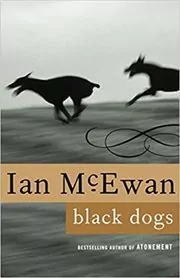
Black Dogs
by Ian McEwan
1992
Framed as a son‑in‑law piecing together family history, this novel traces June and Bernard Tremaine from post‑war idealism through disillusionment with Communism. A terrifying encounter with two black dogs in rural France becomes a symbol of enduring evil and competing ways of seeing the world.
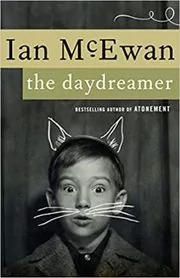
The Daydreamer
by Ian McEwan
1994
Aimed at younger readers, this linked sequence of stories follows Peter Fortune, a quiet boy whose daydreams transform him into a cat, a baby and even an adult. Each adventure plays with identity and empathy as he discovers how strange other people’s lives can feel.
The Short Stories
by Ian McEwan
1995
This omnibus gathers the stories from First Love, Last Rites and In Between the Sheets, charting McEwan’s evolution from shocking early pieces to more controlled experiments. It’s a compact way to see his fascination with adolescence, cruelty and desire taking shape.
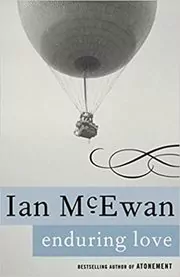
Enduring Love
by Ian McEwan
1997
After a freak hot‑air‑balloon accident in the English countryside ends in tragedy, science writer Joe Rose finds himself stalked by Jed Parry, a stranger convinced they share a spiritual bond. The novel turns escalating obsession into a test of reason, love and belief.
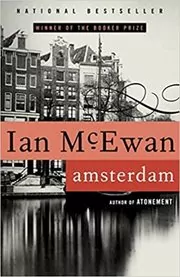
Amsterdam
by Ian McEwan
1998
Two old friends—a composer and a newspaper editor—reunite at a former lover’s funeral and make a private pact to spare each other future suffering. As career pressures and political scandal mount, their agreement curdles into rivalry and farce in this dark, tightly plotted novel.
Atonement
by Ian McEwan
2001
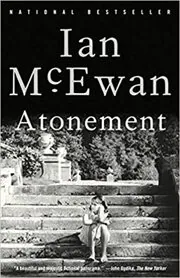
On a hot 1935 afternoon at an English country house, young Briony Tallis misreads what she sees between her sister Cecilia and Robbie, the housekeeper’s son. Her accusation reverberates through war, exile and old age in a story about guilt, memory and storytelling itself.
Recommended by
1 person Ann Patchett recommended this book
Ann Patchett
Ann Patchett recommended this book on the Parnassus Books website.
Ann Patchett's recommendation of this book
Saturday
by Ian McEwan
2005
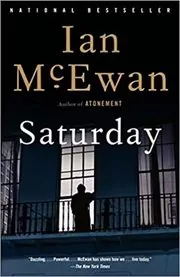
Set over a single Saturday in 2003, as London marches against the Iraq war, the novel follows neurosurgeon Henry Perowne through domestic routines, surgery and a chance encounter with a volatile stranger. By nightfall, global anxieties slam into his seemingly secure family life.
On Chesil Beach
by Ian McEwan
2007
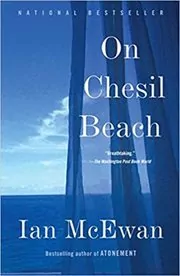
Set on an English seaside honeymoon in 1962, this novella follows nervous newlyweds Edward and Florence through one disastrous wedding night. A few misread gestures and unspoken fears threaten to derail a love story shaped by class and sexual taboo.
Recommended by
1 person- Christopher Hitchens recommended this book
Christopher Hitchens
"Evokes [the author's] homeland's natural beauty and the straitened sexual manners of the early 1960s." - Christopher Hitchens
Christopher Hitchens's recommendation of this book
For You
by Ian McEwan
2008
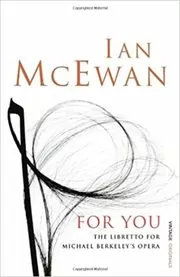
Written as an opera libretto for composer Michael Berkeley, For You centres on Charles Frieth, an ageing, self‑absorbed composer‑conductor. As he juggles a frail wife, a new affair and a devoted housekeeper, desire, jealousy and obsession build toward a tragic, operatic reckoning.

Conversations with Ian McEwan
by Ian McEwan
2010
Gathering interviews conducted over more than three decades, this volume lets McEwan talk through his novels, influences and working habits in his own words. Conversations range from early “Ian Macabre” stories to later books about science, politics and family life.
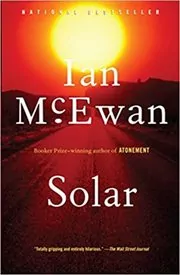
Solar
by Ian McEwan
2010
This satire tracks Michael Beard, a Nobel‑winning but washed‑up physicist whose chaotic private life collides with a lucrative solar‑energy scheme. Blending farce with climate‑change politics, the novel follows his attempts to reinvent himself while cutting ethical corners at every turn.
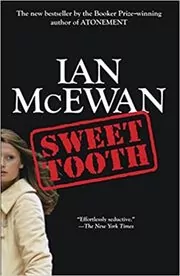
Sweet Tooth
by Ian McEwan
2012
In early‑1970s Britain, Cambridge graduate Serena Frome is recruited by MI5 to steer secret funding to promising writers as part of a cultural Cold War project. When she falls for her chosen novelist, love, loyalty and fiction itself tangle in unexpected ways.
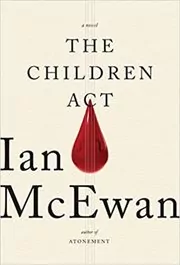
The Children Act
by Ian McEwan
2014
High Court judge Fiona Maye specialises in difficult family cases, but her cool professionalism is shaken when she must decide whether a gravely ill teenage Jehovah’s Witness should receive a life‑saving blood transfusion. Her visit to the boy’s hospital bed changes both their lives.
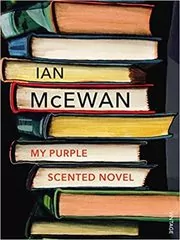
My Purple Scented Novel
by Ian McEwan
2016
This brief, razor‑sharp story is told by a middling novelist who calmly recounts how he stole the work and life of his more successful friend. It’s a sly confession about envy, authorship and the stories writers tell to excuse themselves.
Nutshell
by Ian McEwan
2016
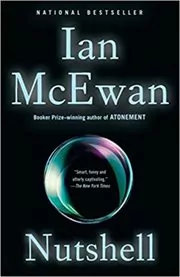
A heavily pregnant woman and her lover plot a murder in a crumbling London house, narrated by the sharp, unnervingly eloquent foetus listening from the womb. This short novel riffs on Hamlet while musing on betrayal, conscience and a world in crisis.
Machines Like Me
by Ian McEwan
2019
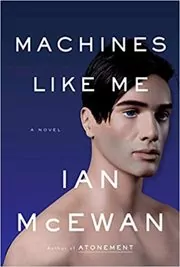
Set in an alternate 1980s London where Alan Turing lived and technology leapt ahead, this novel follows drifter Charlie, his neighbour Miranda and Adam, a purchased android whose emerging conscience turns their triangle into a debate about love, agency and responsibility.
Science
by Ian McEwan
2019
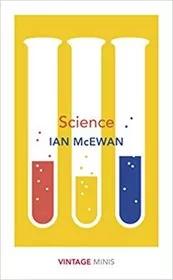
This pocket‑sized volume gathers passages from several novels to showcase McEwan’s fascination with science. Moving from Darwin and evolutionary thought to artificial intelligence and climate change, it reflects on how scientific ideas shape ordinary lives, ethics and the future.
The Cockroach
by Ian McEwan
2019
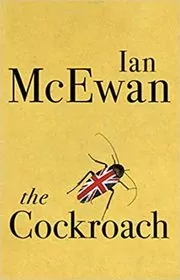
In this political fable, a cockroach wakes to find itself inhabiting the body of the British prime minister and sets out to ram through Reversalism, a deranged economic policy that reverses the flow of money. The result is a brisk, bitter comedy about populist politics.
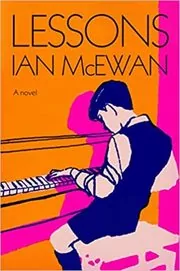
Lessons
by Ian McEwan
2022
Lessons follows Roland Baines across seven decades, from a 1950s military childhood abroad and a damaging affair with his piano teacher to adult relationships shadowed by history, Chernobyl, Brexit and COVID‑19. It’s a long, reflective study of chance, regret and endurance.

The Compass of the Moon and Stars
by Ian McEwan
2024
The first book in a children’s fantasy series introduces Max and Lottie, siblings sent to live with their grandfather in the village of Rosslyn after a family tragedy. A mysterious compass draws them toward Stonehenge, ancient druids and a secret order guarding hidden knowledge.
Where to start with Ian McEwan
Ranked by consensusBest Ian McEwan BooksThe 13 books expert sources name most oftenIf you’re new to Ian McEwan: Atonement → On Chesil Beach → Enduring Love
If you want his darker early fiction: First Love, Last Rites → The Cement Garden → The Comfort of Strangers
If you like science and ideas: Enduring Love → Solar → Machines Like Me → Science
If you’re curious about politics and institutions: Sweet Tooth → The Children Act → The Cockroach
If you want a sweeping life story: Lessons → The Child in Time
Ian McEwan sub-series and character series
The Compass of the Moon and Stars books in order
Explore this seriesThe Compass of the Moon and Stars books in chronological order
Ian McEwan collections, short stories, and related book types
Short Stories/Novellas
Short Story Collections
Non-Fiction
Standalone Ian McEwan books
Author bio
Ian McEwan was born in Aldershot, Hampshire, on 21 June 1948, the son of a Scottish army officer. He spent much of his childhood on British military bases in places such as Singapore, Germany and Libya, an itinerant early life that later fed into his sense of politics pressing in on private lives. As a teenager he was sent to a state‑run boarding school in Suffolk, an experience he has described as cold and lonely, but one that sharpened his eye for the small social details that now fill his fiction.
At the University of Sussex he studied English literature, graduating in 1970, then became one of the first students on the creative‑writing MA at the University of East Anglia under novelist Malcolm Bradbury. Those seminars, spaced weeks apart, gave him close reading but little interference, and he has often said that freedom helped him find a voice that felt wholly his own.
His earliest published work was short, dark and deliberately unsettling.
McEwan’s debut collection of stories, First Love, Last Rites (1975), won the Somerset Maugham Award, and together with the follow‑up collection In Between the Sheets it earned him a reputation for Gothic, transgressive tales and the nickname “Ian Macabre”. His first two novels, The Cement Garden and The Comfort of Strangers, pushed that fascination with sex, violence and taboo into longer form, following damaged families and predatory relationships in a stripped‑back, unsettling style; both were later adapted for film.
During the 1980s he moved restlessly across forms. He wrote plays and screenplays for television and cinema, including The Imitation Game and The Ploughman’s Lunch, and supplied the text for Michael Berkeley’s oratorio Or Shall We Die?, a pacifist work about the nuclear arms race and humanity’s choice between change or extinction. At the same time he turned to more overtly political and emotional fiction in The Child in Time, which links the kidnapping of a small child to questions of grief, time and state power and won the Whitbread Novel Award in 1987.
By the 1990s McEwan was firmly established as a leading British novelist. The Innocent and Black Dogs wove Cold War Berlin and post‑war Europe into intimate stories about love, ideology and fear, while Enduring Love framed a tale of religious obsession around a freak hot‑air‑balloon accident that explodes an ordinary afternoon picnic. In 1998 he won the Booker Prize for Amsterdam, a taut novel about two old friends, a composer and a newspaper editor, whose euthanasia pact spirals into rivalry and farce.
A few years later, Atonement made him a truly global name.
Atonement (2001) moves between a 1930s country house, the retreat to Dunkirk and wartime London as it follows a young girl’s disastrous accusation and her lifelong attempt to write her way towards forgiveness; the 2007 film adaptation carried the story to cinema audiences worldwide. Subsequent novels such as Saturday, On Chesil Beach and The Children Act continue to explore how private choices collide with public events, from anti‑war marches in London to shifting sexual mores and the moral pressures of family law.
In the 2010s and 2020s he has kept pushing into new territory. Solar skewers climate‑change politics through the misadventures of a disgraced Nobel‑winning physicist; Sweet Tooth revisits Cold War Britain through a young MI5 recruit sent to secretly fund a novelist; Nutshell retells Hamlet from the point of view of an unborn child; Machines Like Me imagines an alternative 1980s shaped by advanced artificial intelligence; and The Cockroach offers a brisk, bitterly comic fable about a cockroach prime minister and a topsy‑turvy economic doctrine. His later work, including the sprawling, semi‑autobiographical Lessons and the forthcoming future‑set novel What We Can Know, returns again and again to questions of memory, responsibility and the kind of world future generations will inherit.
Alongside the darker books he has written for younger readers, notably The Daydreamer and the more recent fantasy series beginning with The Compass of the Moon and Stars, in which siblings Max and Lottie are drawn into the mysteries of Stonehenge and ancient druids. A slim volume called Science gathers passages from earlier novels to trace his fascination with scientific history, artificial intelligence and climate change in a compact, essay‑like form.
McEwan’s personal life has carried its own twists. He has two sons from his first marriage to Penny Allen, and in 1997 he married journalist and novelist Annalena McAfee; after many years in Oxford they now live in London. In 2002 he discovered that he had an older brother, Dave Sharp, who had been given up for adoption during the Second World War, a family secret he has said reshaped how he thought about his parents and about buried histories more generally.
Across all this work, he remains drawn to moments when everyday life is suddenly, irreversibly interrupted. The settings shift—from boarding‑school corridors to courtrooms, from quiet kitchens to speculative futures—but the pull is the same: ordinary people tested by chance, desire and the stories they tell themselves.





Edited by
Software engineer whose passion for tracking book recommendations from podcasts inspired the creation of MRB.
Lead investor at 3one4 Capital whose startup expertise and love for books helped shape MRB and its growth.
Comments
Did we miss something? Have feedback?
Help us improve this page by sharing your thoughts