
How to Books in Order
Part ofMunro Leaf Books in OrderSee the How to books by Munro Leaf in order, with quick summaries, series background, and help choosing the best place to start with these playful guides.
Last updated:
As an Amazon Associate, we earn from qualifying purchases (at no extra cost to you).
How to books in publication order
9 books
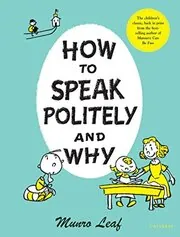
How to Speak Politely and Why
by Munro Leaf
1934
A playful guide to speaking clearly and politely, with simple lessons on grammar, word choice, and everyday usage. Leaf's stick figures turn rules about can, may, and better speech into something light and readable.
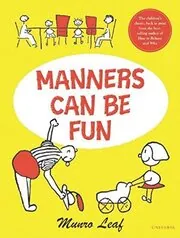
Manners Can Be Fun
by Munro Leaf
1936
Leaf explains manners as the art of living pleasantly with other people. Using plain language and funny drawings, he walks kids through courtesy at home, on the playground, and out in the world.
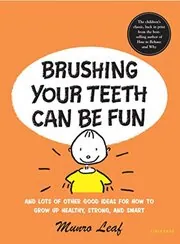
Brushing Your Teeth Can Be Fun
by Munro Leaf
1943
Leaf turns toothbrushing and basic health habits into a cheerful lesson instead of a chore. It is a simple, practical reminder that growing up strong and healthy starts with small things you do every day.
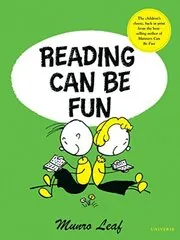
Reading Can Be Fun
by Munro Leaf
1953
This brisk little book makes the case for reading by showing how words, letters, and books open up the world. Leaf treats literacy as an adventure, not a lecture, and that is the charm.
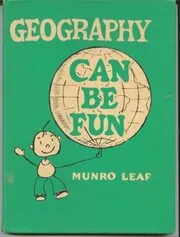
Geography Can Be Fun
by Munro Leaf
1962
Leaf takes big ideas about places, maps, and how people live around the world and breaks them into easy, child-sized pieces. It is a friendly introduction to geography with his usual plainspoken humor.
Metric Can Be Fun!
by Munro Leaf
1976
A light introduction to the metric system that uses everyday examples to make unfamiliar measurements less mysterious. Leaf's goal is simple, to show kids that meters, liters, and grams need not feel intimidating.
Being An American Can Be Fun
by Munro Leaf
2000
Leaf explains citizenship and the basics of American government in clear language children can follow. It is a civics primer built to make public life feel understandable, practical, and worth caring about.
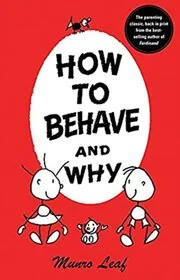
How to Behave and Why
by Munro Leaf
2002
Instead of handing out rules, Leaf asks what helps people live together happily. His answer is four sturdy ideas, honesty, fairness, strength, and wisdom, explained with humor and surprising directness.
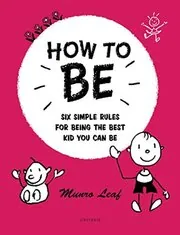
How to Be: Six Simple Rules for Being the Best Kid You Can Be
by Munro Leaf
2015
This later collection gathers short selections from Leaf's best-known guides to growing up well. It brings together his advice on behavior, speech, reading, and health in one easy entry point.
How to books in chronological order
Series background & context
Munro Leaf's How to books are less a plotted series than a shelf of compact guides about growing up. What links them is not one continuing story, but one steady voice. In books like How to Behave and Why, How to Speak Politely and Why, and Manners Can Be Fun, Leaf takes ordinary problems of childhood and treats them as things worth explaining plainly.
The main character, in a way, is the reader.
Leaf usually works with unnamed children, quick examples, and his loose stick-figure drawings rather than a fixed cast. These books do not ask you to follow a hero from one volume to the next. Instead, each one drops you into a familiar situation and says, more or less, let's think this through. The child on the page could be almost any child at home, at school, on the playground, or out in public.
That everyday setting matters. The tension in these books is not about dragons or villains. It is about the smaller but real challenges of learning how to live with other people. How should you speak? Why do manners matter? What is the point of reading? Why bother brushing your teeth? Leaf keeps returning to the places where children actually bump into rules, habits, and other people every day.
The tone is one of the best reasons the series still works. Leaf can sound old-fashioned, but he is rarely a scold. He likes reasons. The word "why" shows up again and again because he is not satisfied with handing children a list of commands. He wants to explain what good behavior does for you, and for everyone around you. That gives the books a practical, almost conversational feel.
The range of subjects also gets wider than the title might suggest. Alongside etiquette books, this group includes guides to reading, health, geography, citizenship, and even the metric system. That breadth makes the series feel like a small home and school library of life skills. You do not need to read them in a strict order, but How to Behave and Why and Manners Can Be Fun are good starting points because they show the series at its clearest.
Later collections like How to Be: Six Simple Rules for Being the Best Kid You Can Be show how naturally these books fit together. What carries across the whole run is Leaf's belief that children can handle direct language, simple examples, and a little humor. These are not adventure stories. They are brisk, funny, slightly stern companions for everyday growing up, and that is exactly their charm.


%2C%20Book%203.jpg)
%2C%20Book%204.jpg)
%2C%20Book%202.jpg)
Edited by
Software engineer whose passion for tracking book recommendations from podcasts inspired the creation of MRB.
Lead investor at 3one4 Capital whose startup expertise and love for books helped shape MRB and its growth.
Comments
Did we miss something? Have feedback?
Help us improve this page by sharing your thoughts