
Harvest Trilogy Books in Order
Part ofMichael Hicks Books in OrderFind the Harvest Trilogy by Michael Hicks in order, with quick summaries, series background, and tips on where to start this biotech thriller.
Last updated:
As an Amazon Associate, we earn from qualifying purchases (at no extra cost to you).
Harvest Trilogy books in publication order
3 books
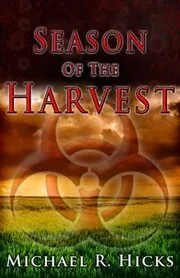
Season Of The Harvest
by Michael Hicks
2011
FBI agent Jack Dawson hunts his best friend's killer and finds himself staring at stolen seeds, ruined evidence, and a terrifying biotech secret. To stay alive, he must trust Naomi Perrault, the very scientist he suspected all along.
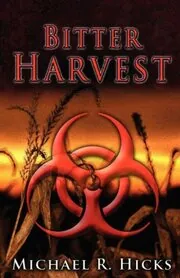
Bitter Harvest
by Michael Hicks
2012
A year after the first disaster, Jack Dawson and Naomi Perrault are out of power and out of time. As hidden research resurfaces and horrors erupt across the globe, they realize the real nightmare is only beginning.
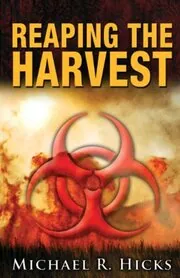
Reaping the Harvest
by Michael Hicks
2013
Jack Dawson wakes from a coma to a world already collapsing under the harvester threat. While nations resort to desperate measures, Naomi races to build a weapon that might save humanity, if it does not damn them first.
Harvest Trilogy books in chronological order
Series background & context
The Harvest Trilogy is Michael Hicks in technothriller mode, with a strong streak of horror running underneath. Instead of starships and alien empires, these books stay much closer to home and ask a nastier question: what happens when biotech research goes terribly wrong, and the people in charge either cannot stop it or will not? The answer is ugly, fast-moving, and increasingly global.
The trilogy starts with Season Of The Harvest, where FBI Special Agent Jack Dawson is trying to solve the brutal murder of his best friend. That investigation pulls him toward Naomi Perrault, a brilliant geneticist tied to a group that looks, at first glance, like eco-terrorists. Very quickly the story shifts from murder mystery into conspiracy thriller. Stolen seeds, destroyed evidence, shadowy agencies, and engineered crops all point toward a threat much bigger than one killing.
Jack and Naomi carry the series, but they do it in very different ways. Jack is the practical field man, always moving toward danger because he has no good alternative. Naomi is the scientist who understands more of the underlying problem, which means she also has to live with more guilt and responsibility as the situation spirals. Their uneasy alliance gives the trilogy its backbone. They do not enter the story trusting each other, and the pressure rarely lets them slow down enough to feel safe.
By Bitter Harvest and Reaping the Harvest, the books widen from conspiracy to outright catastrophe. Hicks sends the action across multiple countries, brings in more military and scientific voices, and steadily raises the body count. The horror in these novels is not supernatural. It comes from food systems, research gone off the rails, and the terrifying idea that ordinary life can become a weapon against the species that built it.
These books are grim in a very readable way.
Readers should expect chase scenes, investigations, lab secrets, government failures, and bursts of body horror as the consequences of the seed project become impossible to contain. The science is there to drive the stakes, not to bog the story down, so the trilogy keeps a thriller pace even when the ideas get big. Jack is usually trying to survive the next hour. Naomi is trying to save the next decade.
If you like fast, high-pressure stories where science, politics, and survival all collide, the Harvest Trilogy is a strong change of pace from Hicks's space fiction. It keeps his taste for action and big stakes, but turns them toward a much more immediate kind of nightmare, one rooted in the food on the table and the systems people trust without thinking twice.















Edited by
Software engineer whose passion for tracking book recommendations from podcasts inspired the creation of MRB.
Lead investor at 3one4 Capital whose startup expertise and love for books helped shape MRB and its growth.
Comments
Did we miss something? Have feedback?
Help us improve this page by sharing your thoughts