
Gonzo Papers Books in Order
Part ofHunter S Thompson Books in OrderSee the Gonzo Papers series by Hunter S. Thompson in order, with short volume notes, essay highlights, and tips on how to approach these sprawling collections.
Last updated:
As an Amazon Associate, we earn from qualifying purchases (at no extra cost to you).
Gonzo Papers books in publication order
7 books

The Great Shark Hunt
by Hunter S. Thompson
1979
The first Gonzo Papers volume collects two decades of essays, from early Air Force sports stories to landmark pieces on counterculture, politics, and sport. Together they show how his reporting evolved into the full‑blown gonzo style.
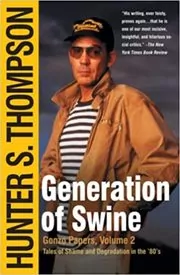
Generation of Swine
by Hunter S. Thompson
1988
Volume two of the Gonzo Papers collects Thompson’s San Francisco Examiner columns from the mid‑1980s. Short, angry, and often very funny, they tackle Iran‑Contra, televangelists, Gary Hart, and the 1988 election as symptoms of what he saw as a decaying political culture.

Songs of the Doomed
by Hunter S. Thompson
1990
This third Gonzo Papers volume arranges stories, essays, and letters by decade, jumping from 1950s sketches to 1980s columns. Along the way it revisits Las Vegas, the campaign trail, and unfinished novels while circling his favorite subject: the slow death of the American Dream.
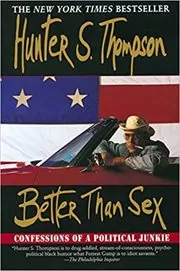
Better Than Sex
by Hunter S. Thompson
1994
Subtitled Confessions of a Political Junkie, this book gathers faxes, letters, and pieces about the 1992 presidential race. Thompson riffs on Bill Clinton, the media, and his own failed sheriff campaign, blurring private correspondence with public commentary.

Gonzo
by Hunter S. Thompson
2007
An oral biography assembled from interviews with more than a hundred friends, family members, and collaborators. Voices like Ralph Steadman, Johnny Depp, and Sonny Barger recall Thompson’s creative highs, self‑destruction, and long, messy friendship with Rolling Stone.
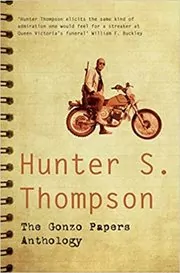
The Gonzo Papers Anthology
by Hunter S. Thompson
2007
This omnibus edition bundles three Gonzo Papers volumes into one door‑stopping collection. It’s an easy way to follow Thompson’s essays from the 1960s through the 1980s, watching his tone shift from ambitious correspondent to burned‑out yet still ferocious columnist.
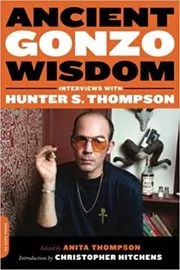
Ancient Gonzo Wisdom
by Hunter S. Thompson
2009
This collection of interviews gathers Thompson in conversation across several decades. From early talk of Hell’s Angels to later debates about Nixon, guns, drugs, and football, it lets readers hear his cadence, tangents, and jokes without the filter of his prose.
Gonzo Papers books in chronological order
Series background & context
The Gonzo Papers series gathers the pieces that made Hunter S. Thompson a working journalist long before and long after he became a literary icon. Published between 1979 and 1994, the four volumes collect hard‑to‑find newspaper and magazine work, along with a scattering of unfinished fiction and personal notes. Instead of one long narrative, you get a thick collage of politics, sports, travel, and chaos.
Volume one, The Great Shark Hunt, sweeps from his first Air Force sports stories through South American dispatches, early political coverage, and landmark gonzo pieces. You watch him move from relatively straight reporting into the cracked, furious style of The Kentucky Derby Is Decadent and Depraved, early Watergate essays, and glimpses of Fear and Loathing in Las Vegas and Fear and Loathing on the Campaign Trail '72 in progress.
Generation of Swine shifts into the Reagan era. Drawn mostly from his San Francisco Examiner columns, it offers quick hits on Iran‑Contra, televangelist scandals, media hysteria, and the 1988 presidential race. The tone is jumpy and blackly funny, full of nicknames, invented asides, and a constant sense that the country has drifted into something cheap and mean.
Volume three, Songs of the Doomed, arranges material by decade rather than topic. It splices together 1950s sketches, 1960s reportage, 1970s fallout, and 1980s pieces, plus excerpts from unfinished novels like Prince Jellyfish and early pages of The Rum Diary. The structure lets you see how certain obsessions – outlaws, politics, bad cops, freak parades – keep resurfacing as the years roll past.
The fourth volume, Better Than Sex, is more raw and personal. Built largely from faxes and letters wrapped around the 1992 Clinton campaign, it shows Thompson watching politics on television from Owl Farm, raging about broken promises, and folding his own failed run for sheriff back into the story.
Across the Gonzo Papers the settings change, but the feeling of being inside his head stays the same. The books are ideal if you want to see how his voice worked on tight deadlines, reacting to events week by week instead of in long, polished narratives.
You can read them straight through or dip in by year or topic, but either way the series works like a jagged, funny, sometimes exhausting history of America from the late 1950s into the early 1990s.

Edited by
Software engineer whose passion for tracking book recommendations from podcasts inspired the creation of MRB.
Lead investor at 3one4 Capital whose startup expertise and love for books helped shape MRB and its growth.
Comments
Did we miss something? Have feedback?
Help us improve this page by sharing your thoughts