
Gladys Taber Books in Order
Explore Gladys Taber's books in order, with Stillmeadow reading paths, short summaries, series background, and friendly where-to-start help for new readers.
Last updated:
As an Amazon Associate, we earn from qualifying purchases (at no extra cost to you).
Gladys Taber books in publication order
46 books
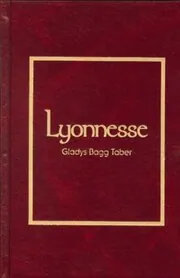
Lyonnesse
by Gladys Taber
1929
This early poetry collection shows Taber before Stillmeadow made her famous. It offers a more literary beginning to her career, while already hinting at her feeling for mood, memory, and place.

Late Climbs the Sun
by Gladys Taber
1934
Taber's first novel is a character-driven story about emotional strain, shifting relationships, and the quiet pressures of ordinary life. It has the close observation and inward focus that marked her early fiction.

Tomorrow May Be Fair
by Gladys Taber
1935
During the Depression, a jobless man feels unable to claim the woman he loves. Moving from New York to rural Connecticut, the novel follows hardship, pride, and the search for a decent future.

The Evergreen Tree
by Gladys Taber
1937
This family saga follows the Prescotts in a small Wisconsin town as they rise after the war and face the crash that follows. At its center is a mother holding the family together through change.
Harvest at Stillmeadow
by Gladys Taber
1940
Drawn from Taber's early magazine columns, this book introduces Stillmeadow Farm and the life built there. Housekeeping, gardening, animals, and hard work all become part of a warm country record.
Mrs. Daffodil
by Gladys Taber
1940
A lightly fictionalized portrait of life much like Taber's own, this novel follows a country columnist juggling deadlines, guests, household muddles, and animals. It is cozy, funny, and full of old-house charm.

Give Us This Day
by Gladys Taber
1944
In a New England town, the Warren family is thrown off course when the father leaves his university post and old feelings return. Taber balances marital strain, young love, and family trouble with a warm domestic eye.

The Heart Has April Too
by Gladys Taber
1944
This midcentury novel turns on love, disappointment, and the possibility of renewal. Taber writes about people trying to trust feeling again when spring seems to promise more than life usually gives.
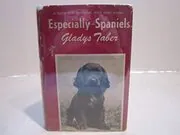
Especially Spaniels
by Gladys Taber
1945
Part guide, part affectionate tribute, this book draws on Taber's long experience with cocker spaniels. She writes about their care, training, breeding, and the comic, loyal energy that made her love the breed.

Give Me the Stars
by Gladys Taber
1945
A warm, character-centered novel about love, family duty, and the hopes people carry through uncertain times. Taber keeps the focus on relationships, showing how private choices ripple through ordinary lives.
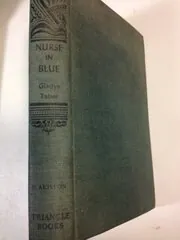
Nurse in Blue
by Gladys Taber
1945
Janet, a Navy nurse working in a New York base hospital during World War II, is pulled between two very different men. The book blends wartime pressure, romance, and questions about what kind of future to choose.

The Family on Maple Street
by Gladys Taber
1946
This novel follows an American family through the years just before and during World War II. Domestic worries, changing loyalties, and the pressure of history all arrive on one ordinary street.

Flower Arranging for the American Home
by Gladys Taber
1947
This practical guide shows how to use flowers simply and well in everyday rooms. Taber and Ruth Kistner focus on arrangements that suit real homes rather than formal showpieces.

Stillmeadow Kitchen
by Gladys Taber
1947
An early Stillmeadow cookbook that brings together recipes, kitchen habits, and the atmosphere of Taber's farmhouse table. It offers food, but also the sense of companionship that made her domestic writing so appealing.
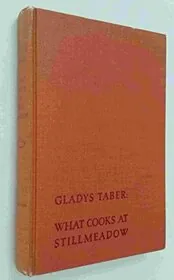
What Cooks at Stillmeadow
by Gladys Taber
1947
A gathering of favorite Stillmeadow recipes, this book mixes practical cooking with the warmth of farm and family life. It is as much about kitchen atmosphere as it is about what ends up on the table.
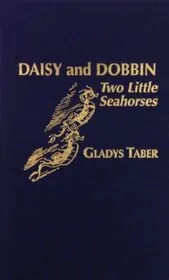
Daisy and Dobbin, Two Little Seahorses
by Gladys Taber
1948
A children's story about two little seahorses discovering their underwater world. Gentle adventure and curiosity carry the book, making it a small ocean tale with a tender touch.
The Book of Stillmeadow
by Gladys Taber
1948
Organized month by month, this classic Stillmeadow book turns an old Connecticut farmhouse into a whole world. Taber writes about home, animals, neighbors, and postwar quiet with warmth and steadiness.
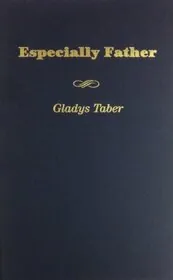
Especially Father
by Gladys Taber
1949
Taber remembers her energetic, difficult, much-loved father in this intimate family memoir. The book also opens onto her childhood, giving readers a clearer sense of the people who shaped her.

The First Book of Dogs
by Gladys Taber
1949
A clear, inviting introduction to dogs for younger readers, covering breeds, habits, and why dogs make such faithful companions. Taber writes with the easy authority of someone who truly knew them.
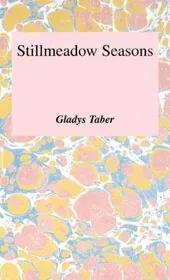
Stillmeadow Seasons
by Gladys Taber
1950
Taber circles through the year at Stillmeadow, finding meaning in weather, garden work, animals, and the old house itself. The book deepens the sense of place that made the series so loved.
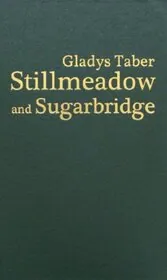
Stillmeadow and Sugarbridge
by Gladys Taber
1953
In these letters with Barbara Webster of Sugarbridge, Taber shares country news, animals, weather, and the pleasures and annoyances of rural living. The book feels like an ongoing conversation between friends who truly notice the seasons.
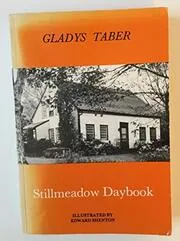
Stillmeadow Daybook
by Gladys Taber
1955
A year at Stillmeadow unfolds through daily observations, seasonal chores, and small household dramas. It is one of Taber's fullest portraits of the farm and the calm, practical life she made there.
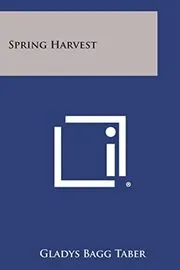
Spring Harvest
by Gladys Taber
1959
Set in a Midwestern college community during one spring term, this novel follows romances, family strains, and private reckonings. Taber lets several lives intersect as hopes change with the season.

Stillmeadow Sampler
by Gladys Taber
1959
Another welcoming visit to Stillmeadow, this book gathers day-to-day reflections on farm life in Connecticut. Animals, meals, weather, and neighborly moments all appear in a loose, companionable mix.
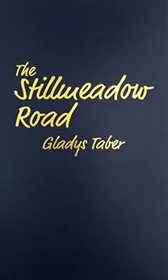
The Stillmeadow Road
by Gladys Taber
1962
Taber looks back on how Stillmeadow was found and made into a home. It is part memoir, part country chronicle, full of old-house problems, weather, animals, and the pleasures of rural Connecticut.
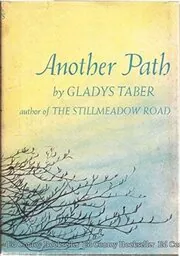
Another Path
by Gladys Taber
1963
After the sudden death of her lifelong friend Jill, Taber writes honestly about grief and the slow work of going on. It is a personal book meant to comfort readers walking the same hard road.
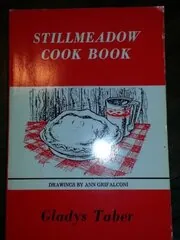
Stillmeadow Cook Book
by Gladys Taber
1965
More than a recipe collection, this cookbook brings readers into the Stillmeadow kitchen. Alongside practical dishes, Taber shares the homey atmosphere, memories, and everyday pleasure of feeding people well.

Letters of Inspiration
by Gladys Taber
1967
Built around the seasons, this late book gathers reflections on country living and the habits that make a life feel grounded. It reads like a small philosophy of home, weather, work, and gratitude.
Stillmeadow Calendar
by Gladys Taber
1967
A countrywoman's journal arranged through the months, this book follows the changing year at Stillmeadow. Chores, weather, visitors, and quiet thoughts all find a place in its steady seasonal rhythm.
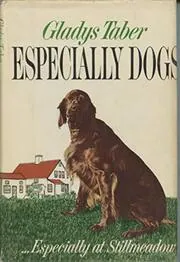
Especially Dogs
by Gladys Taber
1968
Taber writes with affection and experience about dogs, daily life with them, and the way they change a household. The book blends anecdote, observation, and the kind of dog wisdom earned by long practice.
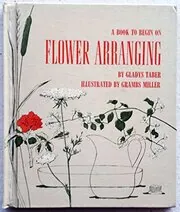
A Book to Begin On Flower Arranging
by Gladys Taber
1969
Written for beginners, this friendly guide shows how to arrange flowers using simple materials and a sharp eye for beauty. Taber makes the subject feel playful, practical, and close to home.

Stillmeadow Album
by Gladys Taber
1969
This large-format keepsake pairs photographs of Stillmeadow with Taber's recollections and descriptive notes. It lets readers see the house, rooms, grounds, and atmosphere that shaped so much of her writing.
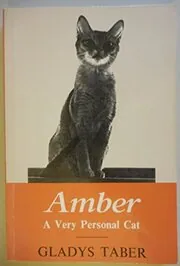
Amber, A Very Personal Cat
by Gladys Taber
1970
A loving portrait of Amber, the strong-willed cat who took over Taber's household and affections. It is part pet memoir, part meditation on how one animal can change the mood of a home.
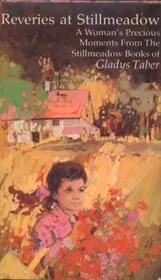
Reveries at Stillmeadow
by Gladys Taber
1970
A compact selection of favorite passages and reflective moments from the Stillmeadow books. It is less a full narrative than a chance to linger over the moods, memories, and comforts of Taber's world.
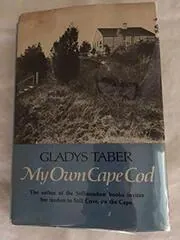
My Own Cape Cod
by Gladys Taber
1971
After years at Stillmeadow, Taber opens the door to her Cape Cod home at Still Cove. Arranged by seasons, the book mixes landscape, neighbors, tides, and the close-knit life of the Cape.
My Own Cook Book: From Stillmeadow and Cape Cod
by Gladys Taber
1972
This cookbook gathers favorite recipes from both Stillmeadow and Still Cove. Taber mixes practical meals with the memories, moods, and places that made them worth keeping.
Country Chronicle
by Gladys Taber
1974
A seasonal journal of life in the Connecticut countryside, filled with household notes, recipes, neighbors, and small natural wonders. It is one of Taber's later, most reflective books about living closely with the year.
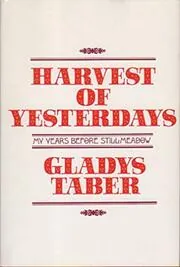
Harvest of Yesterdays
by Gladys Taber
1976
In this autobiography, Taber looks back on her wandering childhood, family history, and early steps toward writing. It fills in the life behind the Stillmeadow books without losing her plain, intimate voice.
The Best of Stillmeadow
by Gladys Taber
1976
This anthology draws together highlights from seven Stillmeadow books. It is a good sampler of Taber's country writing, with seasons, household wisdom, and the enduring pull of place.

Conversations with Amber
by Gladys Taber
1978
Taber returns to Amber with more affectionate stories and reflections on sharing a house with a very determined cat. It is funny, observant, and full of the strange negotiations pet lovers know well.
Still Cove Journal
by Gladys Taber
1981
Based on her Still Cove sketches, this posthumous journal follows a year on Cape Cod. Taber writes about weather, friendship, birds, water, and the quieter rhythms of her later life.

When Dogs Meet People
by Gladys Taber
1992
These dog-centered stories explore training, breeding, showing, and the everyday bargains between humans and their pets. It is a sentimental collection, but one grounded in real knowledge and affection.

A Star to Steer By
by Gladys Taber
1996
Set in a Wisconsin mill town, this novel follows a mill-owning family as labor unrest and a strike upset the local order. Taber brings both domestic tensions and class conflict into view.

One Dozen & One
by Gladys Taber
1996
This collection gathers thirteen short stories by Taber. The pieces move through family life, small-town feeling, and everyday turning points, with her usual warmth for ordinary people.

This is for Always
by Gladys Taber
1996
A rich girl and a poor young man are pulled apart when her family sends him to a hard northern lumber-camp job. The novel turns on class, pride, and whether love can survive the test.

The First Book of Cats
by Gladys Taber
2020
A child-friendly guide to cats that covers care, feeding, history, and the curious habits that make cats so distinctive. Short anecdotes and vivid illustrations help turn basic facts into pleasure.
Where to start with Gladys Taber
For classic Stillmeadow: Harvest at Stillmeadow → The Book of Stillmeadow → Stillmeadow Seasons
For the fullest country-house portrait: Stillmeadow Daybook → Stillmeadow Sampler → The Stillmeadow Road
For memoir and family background: Especially Father → Harvest of Yesterdays
For Cape Cod and later-life reflections: My Own Cape Cod → Still Cove Journal
For dog and cat lovers: Especially Spaniels → Amber, A Very Personal Cat → Conversations with Amber
Gladys Taber sub-series and character series
Gladys Taber collections, short stories, and related book types
Short Story Collections
Children's Books
Non-Fiction
Cookbooks
Poetry
Standalone Gladys Taber books
Author bio
Gladys Taber was born Gladys Bagg in Colorado Springs, Colorado, in 1899. Her father was a mining engineer, so the family moved often, and she grew up in places including New Mexico, California, Illinois, and Wisconsin. She also spent time on her grandfather's farm in Massachusetts, which stayed with her for the rest of her life.
She was looking for home long before she wrote so memorably about it.
After graduating from Wellesley College in 1920 and earning a master's degree from Lawrence College in 1921, Taber taught English and kept writing. In the early 1920s she married Frank Taber and later had a daughter, Constance. She also taught creative writing at Columbia University for a time, while building a career that started with poems, plays, and fiction.
She taught at Lawrence College and Randolph-Macon Woman's College before freelance writing and magazine work took over. By the late 1930s she was reaching a wide audience through women's magazines, especially Ladies' Home Journal and later Family Circle. Readers felt as if a sensible friend had taken a chair at the kitchen table and started talking.
Her early books included the play Lady of the Moon, the poetry collection Lyonnesse, and novels such as Late Climbs the Sun, Tomorrow May Be Fair, and Spring Harvest. Even then, she liked close attention to character and the pressures of ordinary life. Big plots were never really her thing.
Then came Stillmeadow.
In the 1930s she settled at a seventeenth-century farmhouse in Southbury, Connecticut, which she named Stillmeadow and shared with her lifelong friend Eleanor Mayer. That house, with its kitchen, garden, dogs, cats, and constant upkeep, became the center of her best-known work. Through columns and books such as Harvest at Stillmeadow, The Book of Stillmeadow, Stillmeadow Daybook, and The Stillmeadow Road, she turned domestic life into something vivid, companionable, and deeply place-based.
Readers came to her for more than recipes or country charm. They liked the steadiness of her voice. She wrote about cooking, gardening, old houses, bad weather, money worries, community, and the daily comedy of living with animals. Books like Especially Father, Especially Spaniels, Amber, A Very Personal Cat, and My Own Cape Cod show how personal her work could be without ever feeling showy.
Her writing moved through hard decades in American life, including the Depression and World War II, but she did not write as if peace could be found by pretending trouble was absent. Instead, she paid attention to what helped people endure. A meal on the table. A dog underfoot. A letter from a friend. A garden that needed weeding whether the headlines were good or bad.
After Eleanor Mayer died, Taber eventually left Stillmeadow and made a later home on Cape Cod, in Orleans, Massachusetts. That change gave her another landscape and another set of books, including My Own Cape Cod and, after her death in Hyannis in 1980, Still Cove Journal. The shoreline suited her. It gave her tides instead of stone walls, but the same deep attention to place.
She published well over fifty books, and many readers still come to her through copies handed down in families. That makes sense. Gladys Taber wrote about the kind of life people hope can still be made, ordinary, work-filled, animal-haunted, and held together by affection.





Edited by
Software engineer whose passion for tracking book recommendations from podcasts inspired the creation of MRB.
Lead investor at 3one4 Capital whose startup expertise and love for books helped shape MRB and its growth.
Comments
Did we miss something? Have feedback?
Help us improve this page by sharing your thoughts