
Stillmeadow Books in Order
Part ofGladys Taber Books in OrderThis page shows the Stillmeadow books by Gladys Taber in order, with summaries, series background, reading order, and simple help on where to start.
Last updated:
As an Amazon Associate, we earn from qualifying purchases (at no extra cost to you).
Stillmeadow books in publication order
14 books
Harvest at Stillmeadow
by Gladys Taber
1940
Drawn from Taber's early magazine columns, this book introduces Stillmeadow Farm and the life built there. Housekeeping, gardening, animals, and hard work all become part of a warm country record.

The Book of Stillmeadow
by Gladys Taber
1948
Organized month by month, this classic Stillmeadow book turns an old Connecticut farmhouse into a whole world. Taber writes about home, animals, neighbors, and postwar quiet with warmth and steadiness.
Stillmeadow Seasons
by Gladys Taber
1950
Taber circles through the year at Stillmeadow, finding meaning in weather, garden work, animals, and the old house itself. The book deepens the sense of place that made the series so loved.
Stillmeadow and Sugarbridge
by Gladys Taber
1953
In these letters with Barbara Webster of Sugarbridge, Taber shares country news, animals, weather, and the pleasures and annoyances of rural living. The book feels like an ongoing conversation between friends who truly notice the seasons.
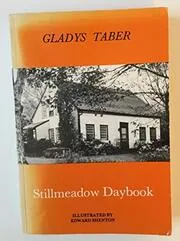
Stillmeadow Daybook
by Gladys Taber
1955
A year at Stillmeadow unfolds through daily observations, seasonal chores, and small household dramas. It is one of Taber's fullest portraits of the farm and the calm, practical life she made there.

Stillmeadow Sampler
by Gladys Taber
1959
Another welcoming visit to Stillmeadow, this book gathers day-to-day reflections on farm life in Connecticut. Animals, meals, weather, and neighborly moments all appear in a loose, companionable mix.

The Stillmeadow Road
by Gladys Taber
1962
Taber looks back on how Stillmeadow was found and made into a home. It is part memoir, part country chronicle, full of old-house problems, weather, animals, and the pleasures of rural Connecticut.
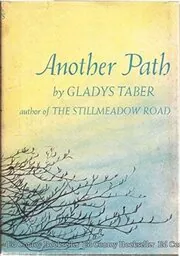
Another Path
by Gladys Taber
1963
After the sudden death of her lifelong friend Jill, Taber writes honestly about grief and the slow work of going on. It is a personal book meant to comfort readers walking the same hard road.
Stillmeadow Calendar
by Gladys Taber
1967
A countrywoman's journal arranged through the months, this book follows the changing year at Stillmeadow. Chores, weather, visitors, and quiet thoughts all find a place in its steady seasonal rhythm.
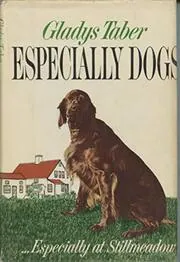
Especially Dogs
by Gladys Taber
1968
Taber writes with affection and experience about dogs, daily life with them, and the way they change a household. The book blends anecdote, observation, and the kind of dog wisdom earned by long practice.

Stillmeadow Album
by Gladys Taber
1969
This large-format keepsake pairs photographs of Stillmeadow with Taber's recollections and descriptive notes. It lets readers see the house, rooms, grounds, and atmosphere that shaped so much of her writing.
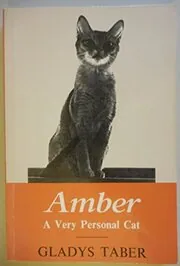
Amber, A Very Personal Cat
by Gladys Taber
1970
A loving portrait of Amber, the strong-willed cat who took over Taber's household and affections. It is part pet memoir, part meditation on how one animal can change the mood of a home.
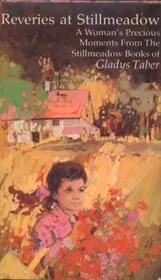
Reveries at Stillmeadow
by Gladys Taber
1970
A compact selection of favorite passages and reflective moments from the Stillmeadow books. It is less a full narrative than a chance to linger over the moods, memories, and comforts of Taber's world.
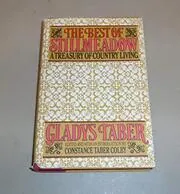
The Best of Stillmeadow
by Gladys Taber
1976
This anthology draws together highlights from seven Stillmeadow books. It is a good sampler of Taber's country writing, with seasons, household wisdom, and the enduring pull of place.
Stillmeadow books in chronological order
Series background & context
Stillmeadow is not a conventional novel series with cliffhangers and a fixed plot. It is a body of autobiographical country books built around Gladys Taber's seventeenth-century farmhouse in Southbury, Connecticut, and the life she made there with family, friends, dogs, cats, garden beds, and endless chores. The central character is really the place itself, but Gladys is always there on the page, observant, practical, funny in a dry way, and alert to how a home shapes the people inside it.
The house matters.
In books like Harvest at Stillmeadow, The Book of Stillmeadow, and Stillmeadow Seasons, the old farmhouse is never just scenery. It leaks, creaks, demands work, and gives back a strong sense of belonging. The setting gathers together kitchens, stone walls, flower borders, kennels, visiting neighbors, and the slow business of keeping order through New England weather. If you like books where cooking supper and getting in the wood are part of the real stakes, this series knows exactly what that feels like.
The structure changes from book to book, but the appeal stays steady. Some volumes move month by month through the year. Some work as journals. Stillmeadow and Sugarbridge opens into a letter exchange with another country writer, Barbara Webster. The Stillmeadow Road looks back at how the farm was found and claimed. Later books such as Stillmeadow Daybook, Stillmeadow Calendar, and Stillmeadow Album make the world even fuller, giving readers not just scenes but habits, memories, routines, and the look of the place itself. If you want a sampler rather than the whole run, The Best of Stillmeadow does exactly that.
These are cozy books, but they are not weightless.
Money can be tight. Animals get sick. Houses age. People grieve. War and social change press in from outside, even when the immediate scene is a kitchen table or a snowy road. Taber writes about all this without drama for its own sake. The continuing tension in Stillmeadow is the effort to make a decent, generous life in a world that rarely stays simple for long.
The series also branches into food and domestic arts. Stillmeadow Kitchen, What Cooks at Stillmeadow, and Stillmeadow Cook Book bring recipes into the picture, while the broader Stillmeadow mood carries into books about dogs, cats, and garden life. That mix is part of the charm. The books are not only about what happened at Stillmeadow, but how life there was actually lived, meal by meal, season by season, creature by creature.
Readers usually come to Stillmeadow for atmosphere, and stay for company. If you want fast plot, these books may feel gentle. If you want a strong sense of place, affectionate observation, animals everywhere, and the feeling of being welcomed into a well-used home, Stillmeadow is very hard to leave.








Edited by
Software engineer whose passion for tracking book recommendations from podcasts inspired the creation of MRB.
Lead investor at 3one4 Capital whose startup expertise and love for books helped shape MRB and its growth.
Comments
Did we miss something? Have feedback?
Help us improve this page by sharing your thoughts