
George Eliot Books in Order
Explore George Eliot books in order, with short summaries, author background, reading guidance, and simple tips for choosing where to start reading.
Last updated: 1 new book added
As an Amazon Associate, we earn from qualifying purchases (at no extra cost to you).
George Eliot books in publication order
11 books

Mr Gilfil's Love Story
by George Eliot
1857
Young chaplain Maynard Gilfil loves Caterina Sarti, an Italian ward at Cheverel Manor, but her heart is fixed elsewhere. Eliot turns a small country-house tragedy into a tender study of devotion and disappointment.
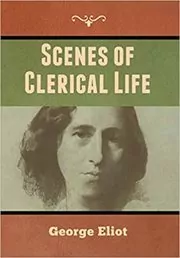
Scenes of Clerical Life
by George Eliot
1857
Eliot’s first fiction gathers three linked tales of Midlands clergy and the people around them. The stories mix village comedy with illness, grief, forgiveness, and the quiet costs of ordinary moral choices.
Recommended by
1 person Christopher Hitchens recommended this book
Christopher Hitchens
"The gold standard." - Christopher Hitchens
Christopher Hitchens's recommendation of this book
Adam Bede
by George Eliot
1859
Adam Bede, a steady young carpenter in Hayslope, loves Hetty Sorrel, who is drawn to the squire Arthur Donnithorne. Their choices pull Dinah Morris, a Methodist preacher, into a painful story of love and judgment.

The Lifted Veil
by George Eliot
1859
Latimer can glimpse the future and read the thoughts of others, a gift that quickly feels like a curse. His obsession with Bertha Grant gives this short gothic tale its chill and moral unease.
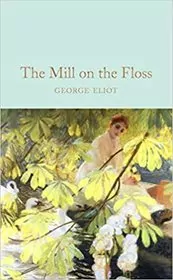
The Mill on the Floss
by George Eliot
1860
Maggie Tulliver grows up at Dorlcote Mill loving her stern brother Tom and chafing against family expectations. As money troubles and forbidden attachments gather, her need for love clashes with the rules around her.
Silas Marner
by George Eliot
1861
Betrayed and driven into isolation, the weaver Silas Marner builds a lonely life around his hoarded gold. When the money vanishes and a child appears at his hearth, his world begins to change.
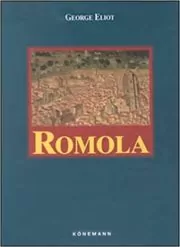
Romola
by George Eliot
1863
Set in Renaissance Florence, Romola follows the scholar’s daughter Romola de’ Bardi and the charming, slippery Tito Melema. Private betrayal and public unrest converge as Savonarola’s city strains under faith, politics, and fear.
Felix Holt, the Radical
by George Eliot
1866
In Treby Magna after the Reform Bill, idealistic Felix Holt crosses paths with Esther Lyon and the ambitious Harold Transome. An election fight exposes class anger, family secrets, and the limits of political slogans.
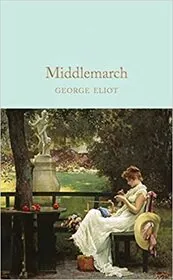
Middlemarch
by George Eliot
1871
In a provincial town before the Reform Bill, Dorothea Brooke and Dr. Tertius Lydgate both chase useful lives and make painful marriages. Eliot turns local gossip, politics, money, and ambition into a broad human drama.
Recommended by
1 person- Christopher Hitchens recommended this book
Christopher Hitchens
"[Appears] not to be written by [a human being]." - Christopher Hitchens
Christopher Hitchens's recommendation of this book
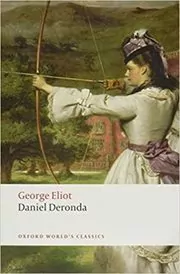
Daniel Deronda
by George Eliot
1876
Gwendolen Harleth’s desperate marriage and Daniel Deronda’s search for identity unfold side by side in Eliot’s final novel. Its social drama widens into questions of duty, Jewish heritage, and the kind of life a person can choose.
Recommended by
1 person- Christopher Hitchens recommended this book
Christopher Hitchens
"Can and should be defended from the faint praise and outright sneering which have been directed at it." - Christopher Hitchens
Christopher Hitchens's recommendation of this book
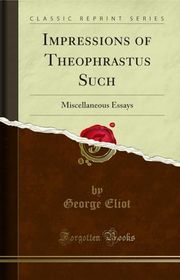
Impressions of Theophrastus Such
by George Eliot
1879
Speaking through an observant fictional persona, Eliot examines self-deception, public opinion, education, and the responsibilities attached to ideas. These reflective essays connect private character with social habits, questioning how people understand themselves and judge the lives of others.
Where to start with George Eliot
If you want the wide social canvas first: Middlemarch → The Mill on the Floss.
If you prefer a shorter doorway in: Silas Marner → Scenes of Clerical Life.
If you like rural lives and moral choices: Adam Bede → Felix Holt, the Radical.
If you want her historical or later work: Romola → Daniel Deronda.
If you want something strange and compact: The Lifted Veil → Mr Gilfil's Love Story.
Standalone George Eliot books
Author bio
George Eliot was the pen name of Mary Ann Evans, a Victorian writer who built her fiction out of villages, families, money worries, bad marriages, and hard moral choices. She was born on November 22, 1819, at South Farm on the Arbury estate in Warwickshire, near Nuneaton. When she was still a baby, her family moved to Griff House, between Nuneaton and Bedworth, and that Midlands landscape stayed with her.
Her father, Robert Evans, managed the Arbury estate, and his work gave her access to people from many levels of rural life. It also helped her reach books. Formal schooling for girls was limited, but Evans read widely, studied languages, and kept learning after she left school as a teenager to help at home after her mother’s death.
She didn’t begin as a novelist.
In Coventry, she met freethinking friends who pushed her toward new religious and political ideas. That shift cost her peace at home for a while, but it also opened a wider intellectual life. She translated demanding works of theology and philosophy, wrote reviews, and later moved to London, where she worked closely with the Westminster Review.
Her partnership with the writer and critic George Henry Lewes changed the shape of her life. Lewes was legally married to someone else, so their decision to live together brought gossip and distance from parts of her family. It also gave her a steady reader and supporter at the exact moment she was ready to try fiction.
The first step was Scenes of Clerical Life, published under the name George Eliot. The pseudonym helped separate her fiction from her known work as an editor and critic, and it also gave her books a fairer hearing in a market that often boxed women writers into lighter romance. Then came Adam Bede, The Mill on the Floss, Silas Marner, Romola, Felix Holt, the Radical, Middlemarch, and Daniel Deronda.
Her novels are patient with people, even when the people are making a mess.
Readers often start with Middlemarch for its wide portrait of a town, or with Silas Marner because it is shorter and more direct. The Mill on the Floss draws deeply on sibling love and childhood frustration. Daniel Deronda moves between drawing rooms, gambling tables, and questions of Jewish identity. Across the books, Eliot returns to sympathy, duty, self-deception, social pressure, and the small decisions that slowly shape a life.
Lewes died in 1878. In 1880, Evans married John Walter Cross, a longtime friend, and moved with him to Chelsea. She died in London on December 22, 1880. Her books are still read because they feel close to daily life: people want to be good, want to be loved, want to be seen clearly, and often don’t know how to manage all three at once.






Edited by
Software engineer whose passion for tracking book recommendations from podcasts inspired the creation of MRB.
Lead investor at 3one4 Capital whose startup expertise and love for books helped shape MRB and its growth.
Comments
Did we miss something? Have feedback?
Help us improve this page by sharing your thoughts