
Madame Karitska Books in Order
Part ofDorothy Gilman Books in OrderExplore the Madame Karitska books by Dorothy Gilman in order, with short summaries, series background, and guidance on where to start.
Last updated:
As an Amazon Associate, we earn from qualifying purchases (at no extra cost to you).
Madame Karitska books in publication order
2 books
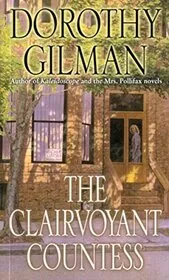
The Clairvoyant Countess
by Dorothy Gilman
1975
Madame Karitska can see what others miss, including signs of murder. After meeting Detective-Lieutenant Pruden, her unusual gift draws her into cases where common sense matters as much as vision.
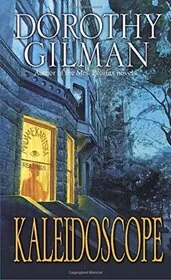
Kaleidoscope
by Dorothy Gilman
2002
Madame Karitska returns to sort through a cluster of strange cases, from a violinist’s death to a cult threat and a child accused of murder. Her visions point Detective-Lieutenant Pruden toward hidden patterns.
Madame Karitska books in chronological order
Series background & context
Madame Karitska is Dorothy Gilman’s other recurring sleuth, and she comes from a very different corner of the mystery shelf than Mrs. Pollifax. She is a countess with a complicated past, a shabby apartment, and a gift for clairvoyance. People come to her because they are afraid, grieving, curious, or desperate. Sometimes they want the future. Sometimes they want the truth.
The truth is usually messier.
The series begins with The Clairvoyant Countess, where Madame Karitska meets Detective-Lieutenant Pruden and is pulled into police work by way of her strange talent. Her visions do not turn the books into simple supernatural puzzles. Gilman gives Karitska something more useful than magic alone: she has patience, judgment, and a sharp sense of when to speak and when to hold back.
That restraint matters. Karitska can sense danger, hidden guilt, and the emotional weather around a person, but she is not written as an all-knowing oracle. She reads objects, rooms, and people, then fits what she sees into ordinary human behavior. Detective Pruden gives the stories a grounded police angle, while Karitska brings intuition and sympathy to cases that might otherwise stay cold or misunderstood.
Kaleidoscope returns to her world with a more layered structure. A violinist’s death, an attaché case, a child accused of murder, a frightened wife, a cult, and other mysteries move around her like pieces in a pattern. The title fits. Karitska’s job is not just to see one answer, but to notice how separate lives touch.
The tone is cozy but not sugary. The books include murder, obsession, fear, and violence, yet they are carried by conversation, atmosphere, and the comfort of watching a calm mind sort through distress. Gilman is interested in people who are wounded, lonely, or hiding something from themselves. Karitska gives them a place to be seen.
Read The Clairvoyant Countess first, then Kaleidoscope. There are only two books, so the order is easy, and it lets you see how Karitska’s friendship with Pruden and her role in the community deepen. Readers who enjoy psychic mystery without heavy horror, and who like a sleuth with warmth as well as mystery, will feel at home here.



Edited by
Software engineer whose passion for tracking book recommendations from podcasts inspired the creation of MRB.
Lead investor at 3one4 Capital whose startup expertise and love for books helped shape MRB and its growth.
Comments
Did we miss something? Have feedback?
Help us improve this page by sharing your thoughts