
Gary Gygax Books in Order
Explore Gary Gygax books in order, from Dungeons & Dragons rulebooks to Greyhawk novels, with quick summaries, series background, and where to start.
Last updated:
As an Amazon Associate, we earn from qualifying purchases (at no extra cost to you).
Gary Gygax books in publication order
29 books
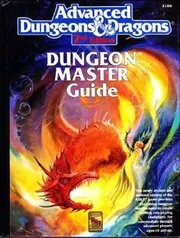
Dungeon Master's Guide
by Gary Gygax
1978
Gygax's famous referee's tome is packed with tables, treasures, rules calls, and campaign advice. It is demanding, opinionated, and full of the practical machinery that powered classic AD&D play.
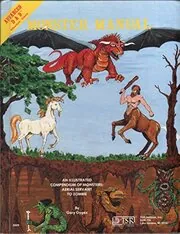
Monster Manual
by Gary Gygax
1978
The original AD&D bestiary gathers a huge cast of monsters into one book and gave generations of players their first look at iconic creatures. It is essential reading for the shape of fantasy gaming itself.
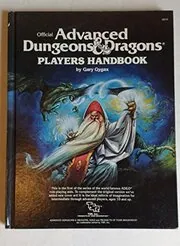
Players Handbook
by Gary Gygax
1978
One of the foundational AD&D books, this manual gives players the rules for races, classes, spells, equipment, and combat. It helped define what a fantasy roleplaying rulebook looks like.
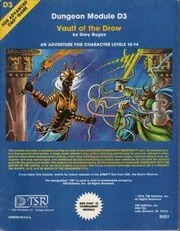
Vault of the Drow
by Gary Gygax
1978
This classic underworld adventure carries heroes into the domain of the drow, where stealth, politics, and survival matter as much as combat. It deepens the giant conspiracy into something far more sinister.
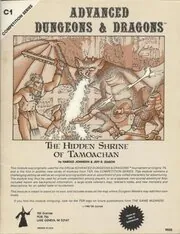
The Hidden Shrine of Tamoachan
by Gary Gygax
1980
Trapped in a jungle pyramid, adventurers must survive a maze of traps, cursed relics, and Mesoamerican-flavored horrors. The challenge is not just fighting through it, but escaping before the shrine finishes them.
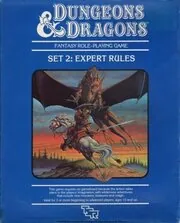
Dungeons and Dragons Fantasy Role Playing Game Set 2
by Gary Gygax
1981
The Expert Rules expand early D&D beyond the beginner dungeon crawl into wilderness journeys, sea travel, stronger monsters, and domain play. It is where a local campaign starts to feel like a whole world.
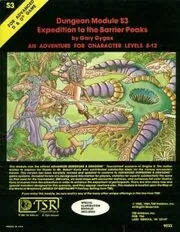
Expedition to the Barrier Peaks
by Gary Gygax
1981
A fantasy party explores a crashed spaceship full of robots, strange creatures, and dangerous technology. Few adventures show Gygax's love of genre-mixing more clearly, or more boldly.
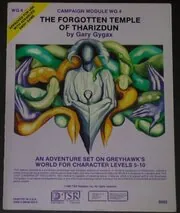
The Forgotten Temple Of Tharizdun
by Gary Gygax
1982
Following clues from earlier dangers, adventurers track monsters into a hidden mountain temple devoted to Tharizdun. The result is a bleak, eerie crawl through secret rites, madness, and a buried evil that does not stay quiet.
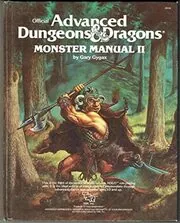
Monster Manual II
by Gary Gygax
1983
This sequel bestiary adds a fresh wave of creatures to AD&D, from strange planar beings to monsters drawn from Greyhawk play. It is a toolbox for making familiar campaigns feel unpredictable again.
The Land Beyond the Magic Mirror
by Gary Gygax
1983
A bizarre mirror-world adventure inspired by dream logic and nonsense fantasy, this module leads characters into a place of riddles, odd creatures, and hidden danger. It is whimsical on the surface, but rarely safe.
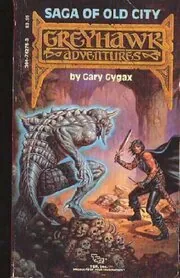
Saga of Old City
by Gary Gygax
1985
Gord grows up in the slums of Greyhawk, learns the trade of a thief, and gets swept into bigger adventures beyond the city. It is a coming-of-age fantasy with grime, speed, and a lot of sly energy.
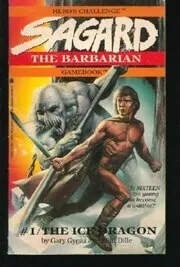
Sagard the Barbarian
by Gary Gygax
1985
This interactive fantasy gamebook casts the reader as Sagard, a young barbarian facing monsters, hard choices, and deadly fights. It mixes solo adventure storytelling with light roleplaying mechanics and branching paths.

Advanced Dungeons and Dragons Supermodule
by Gary Gygax
1986
This supermodule turns a string of classic adventures into one long campaign of giants, drow, and deep underworld peril. It starts with surface raids and keeps descending toward the realm of the Spider Queen.
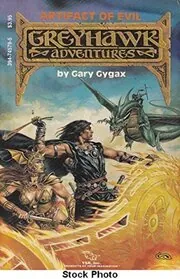
Artifact of Evil
by Gary Gygax
1986
Gord is pulled into a race to find a dangerous artifact before darker powers can claim it. The novel widens Greyhawk from back alleys to a larger contest involving famous wizards, demons, and the balance of the world.
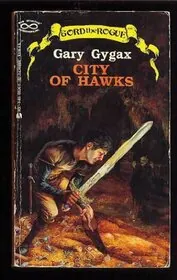
City of Hawks
by Gary Gygax
1987
Gord returns to the Free City of Greyhawk and its dangerous underworld, where old enemies and deeper secrets wait. The book mixes city intrigue with revelations that make Gord's place in the larger story feel far more significant.
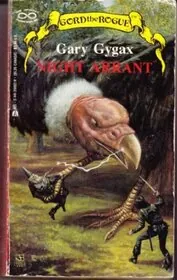
Night Arrant
by Gary Gygax
1987
A collection of Gord the Rogue stories, this book drops back into his younger years and his life in and around Greyhawk. The adventures are brisk, streetwise, and full of thieves, monsters, and narrow escapes.
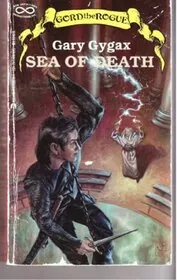
Sea of Death
by Gary Gygax
1987
Gord crosses the deadly Sea of Dust in search of a hidden key and the truth behind a greater threat. The novel blends hard travel, strange ruins, and high stakes in one of the series' broadest quests.
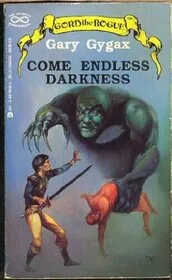
Come Endless Darkness
by Gary Gygax
1988
Gord's struggle against the forces threatening Oerth turns darker and more desperate here. The stakes move well beyond city intrigue, as allies and enemies alike are drawn into a widening war of cosmic power.
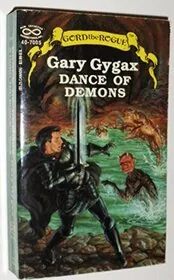
Dance of Demons
by Gary Gygax
1988
The Gord saga races toward its climax with journeys into the Abyss and a direct confrontation with demonic power. It is the biggest and most cosmic book in the sequence, with the fate of worlds hanging in the balance.
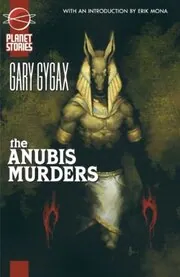
The Anubis Murders
by Gary Gygax
1989
When powerful sorcerers begin dying, Magister Setne Inhetep follows the trail from Aegypt to misty Avillonia. It is a fantasy murder mystery driven by old gods, rival wizards, and a mounting sense of menace.
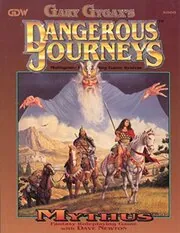
Mythus
by Gary Gygax
1992
The core fantasy rulebook for Dangerous Journeys, Mythus lays out Gygax's later, denser take on roleplaying. It introduces the world of Aerth and a system built for detailed characters, magic, and long campaigns.
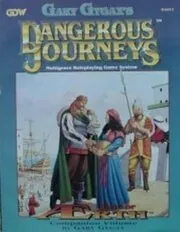
The Epic of Aerth
by Gary Gygax
1992
A setting book for Dangerous Journeys, this volume maps out Aerth, an alternate Earth shaped by legend, history, and sorcery. It gives referees cultures, geography, and hooks for globe-spanning fantasy campaigns.
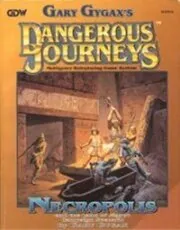
The Necropolis
by Gary Gygax
1992
A deadly adventure set around an ancient city of the dead, this module sends heroes into tombs, traps, and old evils beneath desert sands. The mood is ominous, and survival is never guaranteed.
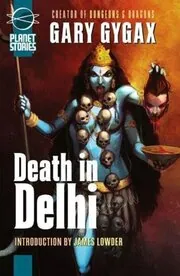
Death in Delhi
by Gary Gygax
1993
Setne Inhetep and the amazon warrior Rachelle travel to Delhi to recover the Maharajah's stolen crown jewels. Pirates, assassins, black magic, and court intrigue turn the search into a dangerous international mystery.
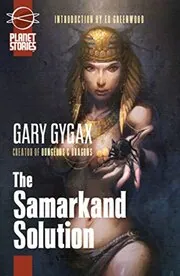
The Samarkand Solution
by Gary Gygax
1993
Magister Setne Inhetep stumbles into a murder by magic while visiting the city of On. The case widens into a conspiracy of priests, merchants, and sorcerers that could threaten the whole Triple Kingdom of Aegypt.
Against the Giants
by Gary Gygax
1999
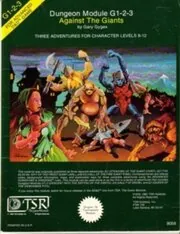
Raid the strongholds of hill, frost, and fire giants in one of Gygax's classic linked adventures. What starts as a brutal counterstrike slowly reveals a darker force pulling the raids together.
The Lejendary Rules for All Players
by Gary Gygax
1999
The player-facing entry point to Lejendary Adventure, this book covers character creation, abilities, and the basics of play. It is Gary Gygax building a new fantasy system with a different vocabulary and a more flexible feel.
Lejend Master's Lore
by Gary Gygax
2000
This is the game master's core book for Lejendary Adventure, packed with rules support, campaign guidance, and material players are not meant to see. It is where the system opens up from character play into world running.
Beasts of Lejend
by Gary Gygax
2020
A bestiary for the Lejendary Adventure game, this book expands the world with monsters, encounter details, and referee-ready lore. It is built to give campaigns more variety, stranger foes, and more texture at the table.
Where to start with Gary Gygax
If you want the roots of modern fantasy gaming: Monster Manual → Players Handbook → Dungeon Master's Guide
If you want classic adventure modules: Against the Giants → Expedition to the Barrier Peaks → The Forgotten Temple Of Tharizdun
If you want Greyhawk fiction first: Saga of Old City → Artifact of Evil → Night Arrant → Sea of Death
If you want fantasy mystery in an alternate Aegypt: The Anubis Murders → The Samarkand Solution → Death in Delhi
If you want Gygax after TSR: Mythus → The Epic of Aerth → The Necropolis
Gary Gygax sub-series and character series
Advanced Dungeons & Dragons books in order
Explore this seriesAdvanced Dungeons & Dragons books in chronological order
Dungeons & Dragons Game books in order
Explore this seriesDungeons & Dragons Game books in chronological order
Greyhawk: Gord the Rogue books in order
Explore this seriesGreyhawk: Gord the Rogue books in chronological order
Standalone Gary Gygax books
Author bio
Gary Gygax was born in Chicago in 1938, and a lot of his story starts with two places: city streets full of noise and imagination, and Lake Geneva, Wisconsin, where his family moved when he was still a boy. He loved games early, especially toy soldiers, chess, adventure stories, and the kind of fantasy that made you want to draw maps on scrap paper.
Before roleplaying games had a name, Gygax was already deep in the hobby world. In the 1960s he was writing rules, running miniature battles, trading ideas with other hobbyists, and helping build the convention scene that would grow into Gen Con. He liked history, but he also liked asking what would happen if a game slipped sideways into magic.
For a long stretch, this was all happening alongside ordinary work. He spent years at an insurance company, lost that job in 1970, and later ran a shoe repair business in Lake Geneva while continuing to design games at home. That mix of day job and late-night obsession mattered, because it was during those years that he co-wrote Chainmail with Jeff Perren and then worked with Dave Arneson on the game that became Dungeons & Dragons in 1974.
That changed everything.
Once D&D took off, Gygax became one of the busiest writers in the field. He co-founded TSR, helped shape the early business around the game, and wrote some of the books that still define the hobby's vocabulary, including Players Handbook, Dungeon Master's Guide, Monster Manual, and Monster Manual II. His writing could be dense, fussy, funny, and very specific, but it was never vague about one thing: games were supposed to open doors.
His home campaign world, Greyhawk, became one of the main places where those doors led. Some readers know him best through adventure books such as Against the Giants, Expedition to the Barrier Peaks, and The Forgotten Temple Of Tharizdun, which show how wide his tastes were. One is a hard-driving war against giant raiders, one drops a spaceship into a fantasy landscape, and one leans into strange cult horror high in the mountains.
He also wrote fiction, and that side of his work is easy to miss if you only know the rulebooks. The Gord the Rogue novels, especially Saga of Old City and Artifact of Evil, let him show Greyhawk from the street up, with thieves, taverns, caravans, monsters, and bigger powers moving in the background. Later, in The Anubis Murders, he tried something different again, mixing fantasy, mystery, and an alternate Aegypt into a detective story with spells.
He kept designing after leaving TSR in the mid-1980s. Projects like Mythus, The Epic of Aerth, and the later Lejendary Adventure books show a designer who never really stopped tinkering with systems, settings, and terminology. Some of that later work is more complicated than his early books, but it has the same restless energy.
Gygax spent much of his life in Lake Geneva, and he stayed active in gaming, writing, and convention life right up to his death there in 2008. What readers still tend to like about him is not polish for its own sake. It is the sense that behind every table, map, monster, or mystery, he wanted people to gather around a table and make something happen.
Edited by
Software engineer whose passion for tracking book recommendations from podcasts inspired the creation of MRB.
Lead investor at 3one4 Capital whose startup expertise and love for books helped shape MRB and its growth.
Comments
Did we miss something? Have feedback?
Help us improve this page by sharing your thoughts