
Dungeons & Dragons Books in Order
Part ofGary Gygax Books in OrderSee Gary Gygax's Dungeons & Dragons books in order, with quick summaries, game background, and straightforward where-to-start advice.
Last updated:
As an Amazon Associate, we earn from qualifying purchases (at no extra cost to you).
Dungeons & Dragons books in publication order
3 books
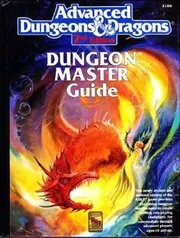
Dungeon Master's Guide
by Gary Gygax
1978
Gygax's famous referee's tome is packed with tables, treasures, rules calls, and campaign advice. It is demanding, opinionated, and full of the practical machinery that powered classic AD&D play.
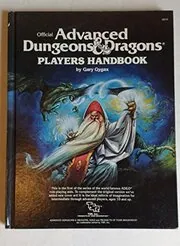
Players Handbook
by Gary Gygax
1978
One of the foundational AD&D books, this manual gives players the rules for races, classes, spells, equipment, and combat. It helped define what a fantasy roleplaying rulebook looks like.

Advanced Dungeons and Dragons Supermodule
by Gary Gygax
1986
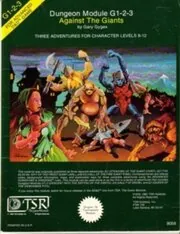
This supermodule turns a string of classic adventures into one long campaign of giants, drow, and deep underworld peril. It starts with surface raids and keeps descending toward the realm of the Spider Queen.
Dungeons & Dragons books in chronological order
Series background & context
On this Gary Gygax page, the Dungeons & Dragons shelf is best understood as the broader D&D-branded work that sits around the edges of his larger game design legacy. It is less about one continuous storyline and more about a mix of accessible game material, unusual adventures, and spin-off books that show how flexible the early game could be.
It is a looser shelf.
Some of that material points back to the more approachable side of the original game. Dungeons and Dragons Fantasy Role Playing Game Set 2 expands play beyond the earliest dungeon expeditions and nudges groups toward wilderness travel, stronger characters, and a bigger campaign map. It captures that old D&D feeling that the game should widen naturally as the party grows.
Other books take the brand in stranger directions. The Land Beyond the Magic Mirror is one of the best examples. Instead of standard swords-and-sorcery territory, it sends adventurers through a mirror-world full of dream logic, odd encounters, riddles, and danger wearing a playful face. It shows Gygax enjoying the chance to bend fantasy into something more whimsical and unpredictable without making it harmless.
Then you have Sagard the Barbarian, which pushes D&D outward into interactive fiction. Rather than reading about a hero from a distance, the reader takes the role of Sagard and makes choices along the way. That makes the series feel closer to a solo adventure at the table, with combat, risk, and branching paths replacing a fixed plot.
The common thread is freedom. These books are not trying to lock readers into one official version of the world or one tidy canon. They are invitations. One offers rules for the next stage of campaign play, another offers a bizarre one-off adventure space, and another turns the whole thing into a choose-your-path experience. Together they show how broad the D&D idea already was in Gygax's hands.
So if you come here expecting a single saga, you will not really get that. What you get instead is a cross-section of Gygax's willingness to experiment inside the fantasy game he helped create. Expect bold premises, fast hooks, and books that care more about getting you into an adventure than about smoothing every rough edge away.
Edited by
Software engineer whose passion for tracking book recommendations from podcasts inspired the creation of MRB.
Lead investor at 3one4 Capital whose startup expertise and love for books helped shape MRB and its growth.
Comments
Did we miss something? Have feedback?
Help us improve this page by sharing your thoughts