
Fred Rogers Books in Order
This page lists Fred Rogers books in order, with short summaries, reading guidance, series notes, and a clear place to start for children, parents, and fans.
Last updated:
As an Amazon Associate, we earn from qualifying purchases (at no extra cost to you).
Fred Rogers books in publication order
43 books

Mister Rogers' Songbook
by Fred Rogers
1973
This songbook collects favorite music from Mister Rogers' Neighborhood, with lyrics, arrangements, illustrations, and Rogers' notes. It lets families bring songs about feelings, growth, anger, and reassurance into daily life.

The Matter of the Mittens
by Fred Rogers
1973
On a hot day in Make-Believe, King Friday orders everyone to wear mittens, and Lady Elaine wants answers. The story turns a silly royal rule into a lesson about trust, questions, and reasons.

Henrietta Meets Someone New
by Fred Rogers
1974
Henrietta Pussycat worries when a new visitor comes to the Neighborhood of Make-Believe. As Colette arrives, Henrietta learns that someone new does not have to take away the comfort of home.

A Piece of Red Paper
by Fred Rogers
1979
A simple piece of paper becomes an invitation to notice color, shape, and possibility. This Neighborhood Library title encourages children to see creativity in ordinary materials and make something their own.

Speedy Delivery
by Fred Rogers
1979
Mr. McFeely, the Speedy Delivery man, wonders about the packages he is carrying. The story turns a familiar neighborhood visit into a playful look at curiosity, guessing, and the fun of surprises.

You Are Special
by Fred Rogers
1981
A compact collection of Rogers' thoughts on kindness, self-worth, love, and inner life. It gathers the plainspoken wisdom that made his television visits feel personal to children and adults alike.

Going to Day Care
by Fred Rogers
1985
This photo-based guide helps young children understand what day care may be like. Rogers addresses separation, new caregivers, routines, and the reassurance that children come home at the end of the day.
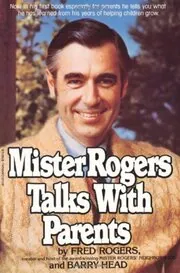
Mister Rogers Talks with Parents
by Fred Rogers
1985
Rogers speaks directly to parents about children's feelings, behavior, and need for dependable adults. The tone is practical and calm, with an emphasis on listening before rushing to solve every problem.

The New Baby
by Fred Rogers
1985
Using real-life photos, this First Experiences book helps children prepare for a baby joining the family. Rogers makes room for excitement, jealousy, worry, and the need to feel loved after big change.

Going to the Doctor
by Fred Rogers
1986
This First Experiences book shows what children may see and do at a doctor's office. Rogers helps make checkups, questions, bodies, and possible worries feel more understandable before a visit.

Going to the Potty
by Fred Rogers
1986
Rogers uses real-life photos and calm explanations to help children understand toilet training. The book respects the mix of pride, reluctance, accidents, and patience that often comes with learning this new skill.

Mister Rogers Playbook
by Fred Rogers
1986
This activity-rich guide offers games, projects, pretend play, cooking, crafts, and family ideas. Rogers treats play as serious work for children, helping them learn, express feelings, and connect with adults.

A Trolley Visit to Make-Believe
by Fred Rogers
1987
Mister Rogers sends the Trolley into the Neighborhood of Make-Believe, where young readers meet familiar characters along the way. The shaped board book makes the ride part of the fun.

Making Friends
by Fred Rogers
1987
Rogers helps young children think about meeting others, playing together, and feeling shy or unsure. The book treats friendship as something that grows through time, kindness, and learning how others feel.
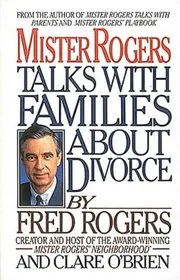
Mister Rogers Talks with Families about Divorce
by Fred Rogers
1987
This family resource helps adults talk with children about divorce in honest, reassuring ways. Rogers centers children's fears and questions while encouraging grown-ups to keep communication open during a hard transition.

Moving
by Fred Rogers
1987
This photo guide helps children face the stress of moving to a new home. Rogers talks about saying goodbye, packing familiar things, changing routines, and finding safety in a new place.

Wishes Don't Make Things Come True
by Fred Rogers
1987
Henrietta Pussycat feels jealous of Colette and starts to worry that her wishes can cause real trouble. Daniel helps her understand the difference between wishing, pretending, and what actually happens.

Daniel, Time to Get Ready for Bed
by Fred Rogers
1988
Daniel Striped Tiger faces the familiar work of getting ready for bed. The story gives bedtime worries a soft landing, with routine, reassurance, and the comfort of trusted grown-ups nearby.

Going to the Hospital
by Fred Rogers
1988
This First Experiences book uses photos to show what a hospital may look and feel like. Rogers helps children and parents talk about fear, care, illness, injury, and unfamiliar medical routines.

How Families Grow
by Fred Rogers
1988
Rogers and Barry Head look at homes, family rituals, toys, parental roles, and parent-child relationships. The book helps adults notice how family life shapes a child's sense of safety and belonging.

No One Can Ever Take Your Place
by Fred Rogers
1988
When Harriett Elizabeth Cow arrives in Some Place Else, Lady Elaine feels pushed aside. The Make-Believe story explores jealousy, welcome, and the reassurance that each person has a place of their own.

When a Pet Dies
by Fred Rogers
1988
Rogers helps children understand the death of a pet with honest, gentle language. The book makes space for sadness, memories, questions, and the comfort of talking with caring adults.

When Monsters Seem Real
by Fred Rogers
1988
A pretend dinosaur frightens children in the Neighborhood of Make-Believe, leading everyone to sort out what is real and what is not. Rogers uses play to talk about fear and imagination.

Going on an Airplane
by Fred Rogers
1989
This First Experiences book prepares children for flying with real-life photos and plain explanations. Rogers covers the strangeness of airplanes while encouraging curiosity, preparation, and trust in caring adults.

Going to the Dentist
by Fred Rogers
1989
Rogers helps children understand a dental visit before it happens. Photos and simple language explain the office, tools, open mouths, and trusting the dentist, making an unfamiliar experience less scary.

Bedtime
by Fred Rogers
1993
This gentle bedtime collection gathers songs and words for the end of the day. Rogers focuses on quiet, care, nighttime sounds, and the reassurance children need before sleep.
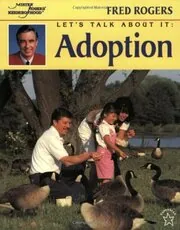
Let's Talk About It: Adoption
by Fred Rogers
1995
Rogers answers common questions children may have about adoption with clear, reassuring language. The book supports open family conversations about belonging, love, birth parents, and the many ways families are formed.

Dear Mister Rogers, Does It Ever Rain in Your Neighborhood?
by Fred Rogers
1996
This collection shares letters from children, parents, and teachers, along with Rogers' thoughtful replies. The questions range from ordinary curiosity to grief, fear, family worries, and the mysteries of growing up.

Let's Talk About It: Divorce
by Fred Rogers
1996
This gentle guide helps children face the fear, sadness, and anger that can come with divorce. Rogers keeps the focus on honest talk, continuing love, and the child's right to have feelings.
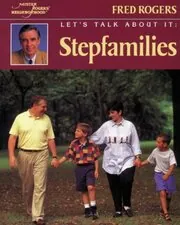
Let's Talk about It: Stepfamilies
by Fred Rogers
1997
Rogers helps children and adults talk about the mixed feelings that can come with joining a stepfamily. The book makes room for hope, confusion, loyalty, change, and the time new bonds need.

Giving Box
by Fred Rogers
2000
Inspired by the tradition of setting aside money for others, this gift book helps families build a habit of giving. Stories and guidance show children that even small contributions can matter.
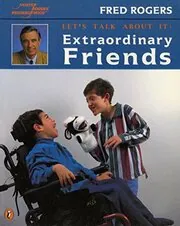
Let's Talk about It:Extraordinary Friends
by Fred Rogers
2000
This photo-based book introduces children with and without disabilities. Rogers encourages curiosity, respect, and friendship, helping young readers see that getting to know someone matters more than noticing differences first.

Mister Rogers' Playtime
by Fred Rogers
2001
Rogers offers simple activities and ideas that help children learn through play. The book encourages imagination, movement, making things, and shared time between children and the adults who care for them.
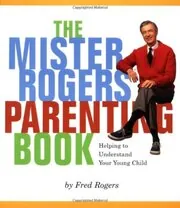
Helping To Understand Your Young Child
by Fred Rogers
2002
Rogers looks at young children's behavior through feelings, development, and family stress. Topics include rules, bedtime, moving, medical visits, television, and the everyday moments that test parents' patience.

The World According to Mister Rogers
by Fred Rogers
2003
Drawn from speeches, letters, interviews, scripts, and unpublished writing, this collection gathers Rogers' reflections on love, friendship, respect, honesty, and being yourself. It is a gentle book for revisiting his core ideas.

Life's Journeys According to Mister Rogers
by Fred Rogers
2005
This short collection focuses on change, courage, choices, and the ordinary passages of life. Rogers offers small, steady reminders for readers facing new seasons, hard decisions, or uncertain beginnings.
Mr. Rogers Parenting Resource Book
by Fred Rogers
2005
This parent-focused resource brings together Rogers' guidance on everyday family life and difficult moments. It helps adults understand children's feelings while offering practical ways to respond with honesty and care.
Many Ways to Say I Love You
by Fred Rogers
2006
A collection of Rogers' reflections on parenting, childhood, listening, and love. Drawn from speeches, writings, songs, and television work, it offers calm encouragement for adults raising or caring for children.
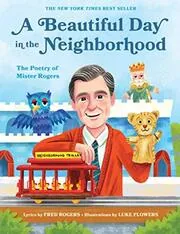
A Beautiful Day in the Neighborhood
by Fred Rogers
2019
This illustrated treasury gathers 75 songs from Mister Rogers' television work and presents them as poems. It is a friendly collection about feelings, routines, imagination, friendship, and growing up.
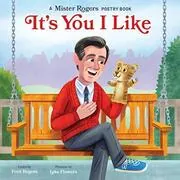
It's You I Like
by Fred Rogers
2020
Rogers' gentle song of acceptance becomes a small board book for young children. The focus is simple and steady: liking someone for who they are, not just what they do.
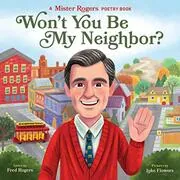
Won't You Be My Neighbor?
by Fred Rogers
2020
This board book turns Rogers' opening song into a simple neighborhood walk for very young readers. Bright illustrations and familiar characters make it a warm first introduction to kindness, welcome, and being a good neighbor.

Daniel Tiger's Neighborhood
by Fred Rogers
2021
This early-reader title brings children into Daniel Tiger's updated Neighborhood. Short sentences and familiar characters support new readers while carrying forward lessons about feelings, family, friendship, and everyday routines.

Fred Rogers
by Fred Rogers
2021
This interview collection follows Rogers across many years of conversations, including public television, childhood, kindness, and his final interview. It offers a direct look at how he explained his work in his own words.
Where to start with Fred Rogers
For core Mister Rogers wisdom: The World According to Mister Rogers → You Are Special → Life's Journeys According to Mister Rogers.
For families and parenting: Helping To Understand Your Young Child → Mr. Rogers Parenting Resource Book → Many Ways to Say I Love You.
For young children: Won't You Be My Neighbor? → It's You I Like → A Beautiful Day in the Neighborhood.
For first experiences: The New Baby → Going to Day Care → Going to the Potty → Going to the Doctor.
For Make-Believe stories: Henrietta Meets Someone New → Wishes Don't Make Things Come True → No One Can Ever Take Your Place.
Fred Rogers sub-series and character series
Fred Rogers Parenting books in order
Explore this seriesFred Rogers Parenting books in chronological order
Fred Rogers collections, short stories, and related book types
Collections
Poetry
Children's Books
The Last Interview
Author bio
Fred Rogers was born in Latrobe, Pennsylvania, on March 20, 1928, and grew up there in a close but sometimes lonely childhood. He was shy, often sick with asthma, and spent many hours with music and puppets. Those quiet tools later became the center of his public work.
He studied music at Rollins College in Florida, where he met Joanne Byrd, a pianist who became his wife. After college, he worked in television in New York, but the loud, slapstick side of early TV bothered him. He believed the screen could be gentler and more useful for children.
In 1953 he returned to Pittsburgh to work at WQED, a new public television station. Off camera, on The Children's Corner, he wrote music, worked puppets, and helped shape characters who would later move into the Neighborhood. He also studied child development and listened closely to people who understood young children.
That listening mattered.
Rogers earned a divinity degree from Pittsburgh Theological Seminary and became an ordained Presbyterian minister, but his ministry did not look like a pulpit on Sunday morning. It looked like a cardigan, sneakers, a trolley, and a calm adult speaking directly to one child at a time. Mister Rogers' Neighborhood began in 1968 and ran for decades, treating topics like anger, fear, death, divorce, friendship, and change as things children could handle when adults used honest words.
He wrote songs, scripts, picture books, parenting guides, and collections of short reflections. The World According to Mister Rogers, You Are Special, and Life's Journeys According to Mister Rogers gather the plain advice many adults remember from the show. Dear Mister Rogers, Does It Ever Rain in Your Neighborhood? shows another side of his work, the careful answers he gave to children's and parents' letters.
Small things were his method.
His books for children are often very practical. The First Experiences titles, including Going to the Doctor, Going to the Potty, and When a Pet Dies, use real situations to make big feelings less mysterious. The Make-Believe stories, like The Matter of the Mittens and Wishes Don't Make Things Come True, let puppets and pretend play carry feelings that might be hard to name out loud.
Rogers received many honors during his lifetime, including a Lifetime Achievement Emmy and the Presidential Medal of Freedom, but the work itself stayed modest. He wanted children to know that their feelings were real, that grown-ups could be trusted when they told the truth kindly, and that being special did not mean being better than someone else. It meant having a place that no one else could fill.
He died in Pittsburgh on February 27, 2003, at age 74. His home ground stayed western Pennsylvania, especially Latrobe and Pittsburgh, and his work kept traveling after him through books, recordings, reruns, the Fred Rogers Institute, Fred Rogers Productions, and later shows such as Daniel Tiger's Neighborhood. For many readers, the books are a way back into that steady voice. For new families, they are a simple reminder that feelings, questions, and small acts of care are worth taking seriously.











Edited by
Software engineer whose passion for tracking book recommendations from podcasts inspired the creation of MRB.
Lead investor at 3one4 Capital whose startup expertise and love for books helped shape MRB and its growth.
Comments
Did we miss something? Have feedback?
Help us improve this page by sharing your thoughts