
Frances Parkinson Keyes Books in Order
Browse Frances Parkinson Keyes books in order, with short summaries, Louisiana favorites, memoirs, and a simple guide to where to start.
Last updated:
As an Amazon Associate, we earn from qualifying purchases (at no extra cost to you).
Frances Parkinson Keyes books in publication order
57 books

Letters From a Senator's Wife
by Frances Parkinson Keyes
1924
Drawn from Keyes's magazine pieces, this book turns Washington life into something personal, funny, and revealing. It shows the ceremonies of politics from the angle of the woman expected to keep them running.

Queen Anne's Lace
by Frances Parkinson Keyes
1930
This early Keyes novel centers on love and social expectation in a carefully observed upper-class world. Personal happiness never comes free, and old assumptions keep getting in the way.
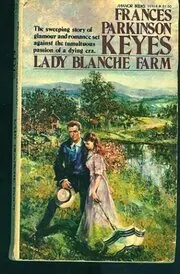
Lady Blanche Farm
by Frances Parkinson Keyes
1931
At an old Connecticut estate, generations of the Manning family live under the shadow of a deathbed curse. Romance, inheritance, and old family quarrels give this compact saga its bite.

Silver Seas & Golden Cities
by Frances Parkinson Keyes
1931
A travel book shaped by journeys through Latin lands, full of cities, landscapes, customs, and quick historical impressions. Keyes writes as a curious visitor who enjoys people as much as scenery.
Capital Kaleidoscope
by Frances Parkinson Keyes
1937
This memoir of Washington life shows Keyes as a senator's wife, hostess, observer, and working writer. It is full of political atmosphere without losing sight of the people behind it.

Pioneering people in northern New England
by Frances Parkinson Keyes
1937
A set of historical sketches about early northern New England, drawn from Keyes's deep interest in family and regional history. The tone is companionable, but the research is serious.

Written in heaven
by Frances Parkinson Keyes
1937
Keyes's life of Saint Therese of Lisieux presents the Little Flower with simplicity and feeling. It is devotional, but it also works as a lively biographical portrait.
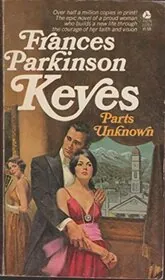
Parts Unknown
by Frances Parkinson Keyes
1938
A young American diplomatic couple moves from post to post, learning how travel can widen a life and strain a marriage. Keyes uses changing countries to test both romance and identity.
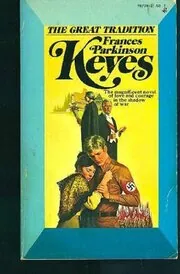
The Great Tradition
by Frances Parkinson Keyes
1939
Chris Marlow, half American and half German, moves through a Europe of privilege just as its surface begins to crack. Love, divided loyalties, and the rise of Nazism turn a glittering world dangerous.
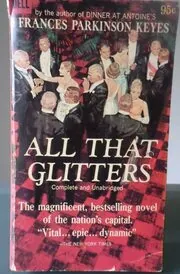
All That Glitters
by Frances Parkinson Keyes
1940
Through the lives of four women, Keyes tracks the social and political changes of Washington from 1927 to 1940. Drawing rooms, power plays, and private compromises all matter here.
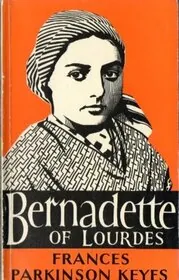
Bernadette of Lourdes
by Frances Parkinson Keyes
1940
Keyes retells the life of Bernadette Soubirous with a storyteller's eye for setting and character. The book balances the famous visions with the harder realities of Bernadette's life.

The sublime shepherdess
by Frances Parkinson Keyes
1940
This earlier life of Bernadette Soubirous presents the Lourdes visionary in vivid, approachable terms. Keyes keeps the focus on the girl herself as much as the miracle.
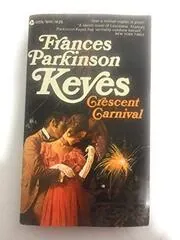
Crescent Carnival
by Frances Parkinson Keyes
1942
Three generations of two New Orleans families move through love, rivalry, religion, and Mardi Gras display. It is one of Keyes's richest portraits of old Creole society and the people trying to change it.

Also the Hills
by Frances Parkinson Keyes
1943
The Farman family has lived quietly on a New England hill for generations, but World War II shatters that calm. Public duty, private betrayal, and national politics all reach into the family's home.

Fielding's Folly
by Frances Parkinson Keyes
1943
A family property and an ill-judged plan set off romantic and domestic complications in this early Keyes novel. Pride, affection, and the stubborn pull of home keep the story moving.
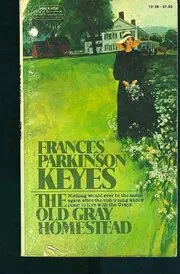
The Old Gray Homestead
by Frances Parkinson Keyes
1943
Life is hard on the Gray family farm, where money is short and tempers fray easily. When a young widow named Sylvia arrives, the old household has to reckon with change.

Came a Cavalier
by Frances Parkinson Keyes
1947
Constance Galt goes to France with the American Red Cross and finds her life changed by war, service, and love. A doctor offers steadiness, but a French cavalry officer transforms everything.
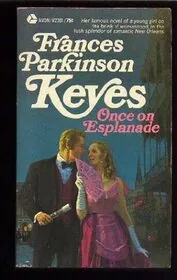
Once on Esplanade
by Frances Parkinson Keyes
1947
This fictionalized biography follows a Creole woman through New Orleans life between the Civil War and the First World War. It offers a close look at manners, family ties, and a changing city.
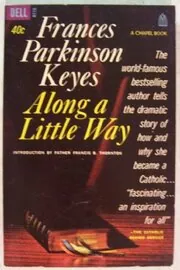
Along a Little Way
by Frances Parkinson Keyes
1948
This personal book traces Keyes's gradual movement toward Catholicism after years of curiosity and reflection. It is quiet, candid, and more about spiritual growth than argument.

Dinner at Antoine's
by Frances Parkinson Keyes
1948
A glittering dinner party at a famous New Orleans restaurant leads to illness, jealousy, and murder. Keyes blends social detail, romance, and a fair-play mystery with real momentum.

All this is Louisiana
by Frances Parkinson Keyes
1950
An illustrated celebration of Louisiana's people, places, and culture, written by one of the state's most devoted adopted novelists. It works as both a portrait book and a personal tribute.
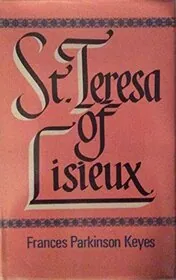
St. Teresa of Lisieux
by Frances Parkinson Keyes
1950
This later life of Saint Therese of Lisieux tells her story in clear, intimate terms. Keyes emphasizes the inner life that made the Little Flower so enduring to readers.
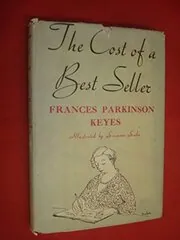
The cost of a best seller
by Frances Parkinson Keyes
1950
Part memoir and part practical writing book, this is Keyes on the real cost of a literary career. She writes about persistence, money, criticism, and the sacrifices behind success.

The Safe Bridge
by Frances Parkinson Keyes
1950
Elizabeth Burr leaves Scotland for a harsh New England frontier after love and family collide. In a new land marked by hardship and danger, she must decide what kind of future she can claim.

Joy Street
by Frances Parkinson Keyes
1951
In Boston's Beacon Hill world, Emily Thayer and Roger Field try to build a marriage under the weight of family expectations and social rules. It is a big social novel about love, class, ambition, and belonging.

The Grace of Guadalupe
by Frances Parkinson Keyes
1951
Keyes retells the story of Guadalupe with a strong sense of place, devotion, and history. The book connects the famous apparition narrative to the wider religious life of Mexico.
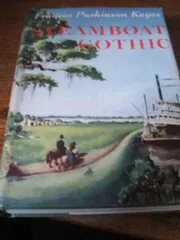
Steamboat Gothic
by Frances Parkinson Keyes
1952
Set along Louisiana's River Road, this multigenerational Gothic saga watches a plantation family through decades of change. The house is grand, the atmosphere brooding, and the old world is slowly giving way to a harsher new one.

Larry Vincent
by Frances Parkinson Keyes
1953
This companion volume carries the Steamboat Gothic story into the late nineteenth and early twentieth centuries. Old plantation traditions, family tension, and the modern world keep pressing against each other.
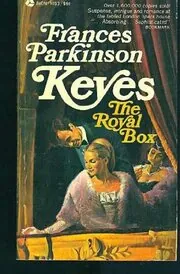
The Royal Box
by Frances Parkinson Keyes
1954
An American diplomat is poisoned in a royal box at a London theater, and a small circle of guests falls under suspicion. Keyes trades New Orleans for postwar England in this polished society mystery.
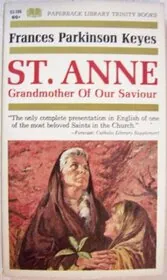
St. Anne
by Frances Parkinson Keyes
1955
A straightforward devotional biography of Saint Anne, the grandmother of Jesus. Keyes writes with warmth and clarity, aiming for a book that feels both reverent and approachable.
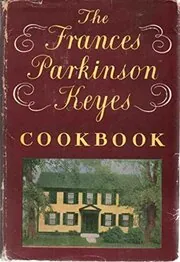
The Frances Parkinson Keyes Cookbook
by Frances Parkinson Keyes
1955
More than a recipe collection, this cookbook gathers dishes and table traditions Keyes loved, especially from the South and New Orleans. It is part kitchen companion, part record of a writer's world.
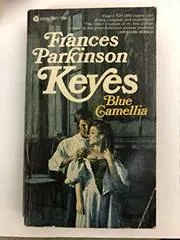
Blue Camellia
by Frances Parkinson Keyes
1957
Brent and Mary Winslow leave the Midwest for Louisiana rice country, hoping hard work can build a future from raw land. Their daughter's story deepens the novel into a sweeping family saga about ambition, love, and loss.
The Land of Stones and Saints
by Frances Parkinson Keyes
1958
Part history, part religious portrait, this book moves through Spain and its spiritual past. Real figures such as Isabella, Teresa of Avila, and John of the Cross help bring the setting to life.
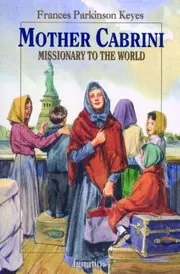
Mother Cabrini
by Frances Parkinson Keyes
1959
Keyes tells the story of Frances Xavier Cabrini, the Italian-born missionary who built schools, orphanages, and hospitals. The book keeps one eye on sanctity and the other on sheer practical courage.
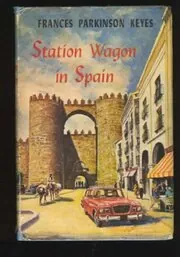
Station Wagon in Spain / The Letter from Spain
by Frances Parkinson Keyes
1959
A young college professor on sabbatical follows a fraudulent letter into an unexpected Spanish adventure. Travel, danger, light mystery, and romance all arrive at once.
Christmas gift
by Frances Parkinson Keyes
1960
A small holiday book of reflections and seasonal pieces, written in Keyes's later devotional mode. It is gentle, nostalgic, and meant to be read for comfort.
Roses in December
by Frances Parkinson Keyes
1960
Keyes looks back on her youth, family background, and courtship in this memoir of beginnings. It helps explain the emotional and social world that later fed her fiction.

The Ambassadress
by Frances Parkinson Keyes
1961
Set in the formal world of diplomacy, this novel follows a woman whose public role is always colliding with private feeling. Marriage, reputation, and official life all come with strings attached.

The Chess Players
by Frances Parkinson Keyes
1961
Paul Morphy's rise from gifted New Orleans boy to world chess legend drives this historical novel. Keyes turns chess, family expectation, and nineteenth century society into a full, human drama.
The Rose and the Lily
by Frances Parkinson Keyes
1961
This book pairs the lives of two South American saints, Rose of Lima and Mariana of Quito. Keyes uses their stories to explore faith, sacrifice, and the worlds in which they lived.

If Ever I Cease to Love
by Frances Parkinson Keyes
1962
Set against decades of Mardi Gras history, this Louisiana saga follows two intertwined families divided by religion, pride, and old wounds. Carnival splendor makes the emotions even sharper.
Sylvia Cary
by Frances Parkinson Keyes
1962
On a struggling Vermont farm, the Gray family tries to hold on as money worries and old habits wear them down. The arrival of the young widow Sylvia Cary changes the balance of the whole household.
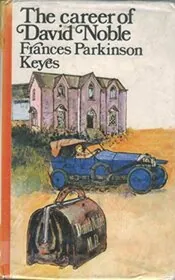
The Career Of David Noble
by Frances Parkinson Keyes
1962
David Noble pursues success in a world where work, reputation, and private feeling rarely stay separate. This early Keyes novel mixes ambition, romance, and the hard question of what a worthwhile life really looks like.

Therese Saint Of A Little Way
by Frances Parkinson Keyes
1962
A readable life of Saint Therese of Lisieux, written with an eye for both devotion and personality. Keyes presents her as a real young woman, not just a distant saint on a pedestal.

Madame Castel's Lodger
by Frances Parkinson Keyes
1963
General P. G. T. Beauregard becomes the center of this fictionalized New Orleans biography, seen through the household that takes him in. History, memory, and private longing all shape the portrait.
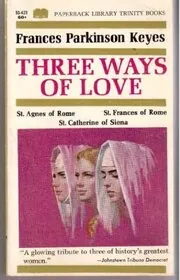
Three ways of love
by Frances Parkinson Keyes
1963
Keyes retells the lives of three great women saints, using biography to show different kinds of devotion and courage. It is an accessible religious book with a strong storytelling bent.

Christmas is everywhere
by Frances Parkinson Keyes
1964
Keyes looks at Christmas as a season shared across places and traditions, not just one household. The result is part meditation, part celebration of how familiar customs travel and change.

Christmas at home
by Frances Parkinson Keyes
1965
A warm collection of Christmas reflections centered on home, custom, memory, and family ritual. It is the kind of holiday book readers dip into for atmosphere as much as story.

The Explorer
by Frances Parkinson Keyes
1965
Nicolas Hale, a driven explorer inspired by Machu Picchu, dreams of finding a lost city in the Andes. His marriage to Margaret Porterfield brings love, strain, and the question of what kind of life his ambitions will allow.

I, The King
by Frances Parkinson Keyes
1966
This historical novel follows Philip IV of Spain inside a court built on ceremony, power, and suspicion. Public majesty and private weakness collide as the burdens of rule grow heavier.
Tongues of Fire
by Frances Parkinson Keyes
1966
Keyes traces the long story of Christian missionaries from Saint Paul onward, mixing history with lively portraits of faith in action. The book is broad in scope but keeps its focus on people and their work.
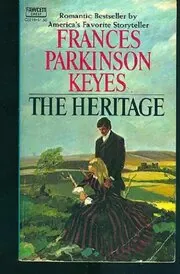
The Heritage
by Frances Parkinson Keyes
1968
Young Bostonian Peter Bradford travels to Ireland expecting family duty and inheritance, not scandal. One impulsive night ties him to a mysterious woman and forces both of them to choose between rank, secrecy, and a more honest life.
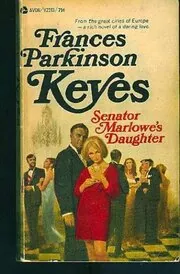
Senator Marlowe's Daughter
by Frances Parkinson Keyes
1969
Faith Marlowe grows up between American politics and European high society, where glamour hides loneliness and danger. Her marriage into an aristocratic family turns a social fairy tale into a story about loyalty, identity, and survival.

The River Road
by Frances Parkinson Keyes
1970
On a Louisiana sugar plantation between the world wars, the d'Alvery family fights to hold land, status, and hope together. Love, debt, and changing times make this one of Keyes's darker family sagas.
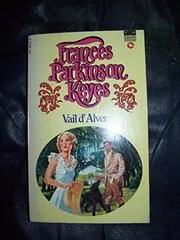
Vail D'Alvery
by Frances Parkinson Keyes
1970
This volume continues the d'Alvery family's River Road story as war, money troubles, and unhappy marriages close in. The plantation world still feels grand, but its future looks increasingly fragile.
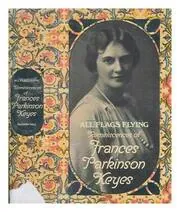
All Flags Flying
by Frances Parkinson Keyes
1972
In this memoir, Keyes looks back on her marriage to Henry Wilder Keyes, from farm life in New Hampshire to the public life of Washington. It is intimate, observant, and full of the daily work behind politics.

Gold Slippers / Victorine
by Frances Parkinson Keyes
1974
Victorine returns to Louisiana with her father, a celebrated merchant and dress designer who has come home to die. Old loyalties, buried family tensions, and a troubling death draw her into a world that is more complicated than she expected.
Where to start with Frances Parkinson Keyes
For Louisiana family sagas: Crescent Carnival → The River Road → Blue Camellia
For New Orleans atmosphere and suspense: Dinner at Antoine's → Steamboat Gothic → The Royal Box
For Boston and New England drama: The Old Gray Homestead → Also the Hills → Joy Street
For political memoir and Washington life: Letters From a Senator's Wife → Capital Kaleidoscope → All Flags Flying
Frances Parkinson Keyes sub-series and character series
Frances Parkinson Keyes collections, short stories, and related book types
Non-Fiction
Standalone Frances Parkinson Keyes books
Author bio
Frances Parkinson Keyes was born in Charlottesville, Virginia, in 1885, but a lot of her emotional map points north. After her father, John Henry Wheeler, died when she was very young, her family life shifted again and again, and she spent important years between Boston, Massachusetts, and Newbury, Vermont. She was privately educated in Boston, Geneva, and Berlin, and she traveled in Europe early, which gave her a lasting taste for cities, history, and social worlds far beyond one home place.
That restlessness stayed with her.
At eighteen she married Henry Wilder Keyes and moved to Pine Grove Farm in New Hampshire. Marriage brought children, farm life, political campaigning, and later Washington, D.C., when Henry became a U.S. senator. It also brought the tension that runs through a lot of her autobiographical writing: she was expected to be useful, social, and capable, but she also knew she wanted a life at the desk.
She began publishing during and just after World War I, and her first novel, The Old Gray Homestead, appeared in 1919. For years she wrote in borrowed pockets of time while managing family life, and in Washington she found a wider public through her Letters From a Senator's Wife pieces. Those essays, and later books like Capital Kaleidoscope and All Flags Flying, show how closely she watched the rituals of public life, from drawing rooms and dinners to the quieter bargains behind politics.
Place mattered to her, maybe more than plot.
That helps explain why so many readers still remember her Louisiana books. After her husband's death in 1938, Keyes traveled widely and eventually settled in New Orleans, where she restored and lived in the Beauregard-Keyes House in the French Quarter. She researched intensely, sometimes living in the very regions she was writing about, and it shows in novels like Crescent Carnival, The River Road, Blue Camellia, and Dinner at Antoine's. Readers came for the family drama, romance, and suspense, but they also came for sugar country, rice country, old New Orleans, and the feeling that the setting had a full life of its own.
She could shift gears easily. Joy Street moves to Boston and turns class and marriage into a long social drama. Came a Cavalier carries its heroine through war and Europe. The Chess Players and Madame Castel's Lodger use real Louisiana figures, Paul Morphy and P. G. T. Beauregard, and fold them into Keyes's love of history, manners, and public reputation.
After Henry Keyes died, she converted to Catholicism, and that part of her life shaped much of her later work. Books such as Along a Little Way, Mother Cabrini, and Tongues of Fire show her interest in faith as something lived, traveled, argued over, and put to work in the world. Even when she was writing biography or devotional history, she kept her eye on personality, setting, and the small habits that make people feel real.
Keyes published more than fifty books, and for a long stretch she was one of the most widely read novelists in the United States. She died in New Orleans in 1970. Her work can feel very rooted in its era, but that is also why it remains interesting: if you want fiction and memoir that care about houses, food, region, belief, and the long pull of family, she gives you plenty to explore.












Edited by
Software engineer whose passion for tracking book recommendations from podcasts inspired the creation of MRB.
Lead investor at 3one4 Capital whose startup expertise and love for books helped shape MRB and its growth.
Comments
Did we miss something? Have feedback?
Help us improve this page by sharing your thoughts