
Foreworld Saga (Mark Teppo) Books in Order
Part ofMark Teppo Books in OrderExplore Mark Teppo's Foreworld Saga books in order, with sidequest summaries, historical fantasy background, and flexible reading guidance.
Last updated:
As an Amazon Associate, we earn from qualifying purchases (at no extra cost to you).
Foreworld Saga (Mark Teppo) books in publication order
4 books

Sinner
by Mark Teppo
2001
A murder and accusations of witchcraft ignite panic in a German village. Shield-Brethren Andreas and Raphael investigate before an inquisitor's violent certainty condemns an innocent woman, exposing secrets the townspeople would rather burn than reveal.
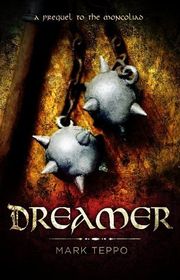
Dreamer
by Mark Teppo
2012
During the Fifth Crusade's siege of Damietta, young Shield-Brother Raphael faces a crisis of faith. When a wounded companion's visions become useful war propaganda, Raphael must decide whether duty can coexist with compassion.
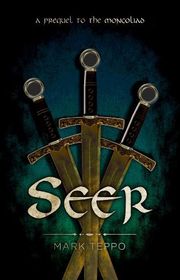
Seer
by Mark Teppo
2013
This Foreworld SideQuest returns to a medieval world of hidden orders, dangerous beliefs, and conflicts shaped by what people think they know. It is a compact historical fantasy adventure that expands the wider saga from a new angle.

The Beast of Calatrava
by Mark Teppo
2015
In Reconquista-era Iberia, a badly scarred former knight has withdrawn to protect his wife and unborn child. But old violence, religious conflict, and the arrival of new armies force him to confront the man he tried to leave behind.
Foreworld Saga (Mark Teppo) books in chronological order
Series background & context
Mark Teppo's Foreworld Saga stories are part of a shared historical adventure setting that moves across medieval Europe, the Middle East, and beyond. The larger project includes the Mongoliad novels and many shorter SideQuest stories by different writers, but Teppo's contributions focus on individual lives caught between faith, violence, duty, and secret orders.
The shared world imagines history with an added layer of hidden organizations and long-running conflicts. One important group is the Ordo Militum Vindicis Intactae, often called the Shield-Brethren, an order bound by honor and charged with protecting people in a dangerous age. The stories can connect to a larger saga, but they also work as focused historical adventures in their own right.
Teppo's Sinner is a useful entry point. Two Shield-Brethren, Andreas and Raphael, arrive in a German village where a murder and accusations of witchcraft have stirred a frightened crowd into a bloodlust. Their task is part mystery and part test of whether justice can survive when religious authority is being used to silence questions.
Dreamer turns to the Fifth Crusade and the siege of Damietta. A young Raphael faces the contradiction between Christian ideals and the brutal demands of war when a wounded companion's visions become useful propaganda. Seer continues the SideQuest approach, adding another self-contained episode from the wider Foreworld setting. The Beast of Calatrava moves to Iberia during the Reconquista, where a badly scarred former knight has built a quieter life only to find violence and old allegiances closing in again.
These are not fairy-tale versions of the Middle Ages. The settings include sieges, religious conflict, war, political maneuvering, and communities divided by fear. Teppo's characters are often trying to act honorably while discovering how easily noble language can cover cruelty, ambition, or revenge.
The world is bigger than any one hero.
Readers can enjoy the SideQuests in flexible order, but Teppo's sequence works well as Sinner → Dreamer → Seer → The Beast of Calatrava. That route moves from the Shield-Brethren's early stories into wider parts of the historical world. Readers who want the fullest context can also turn to the collaborative Mongoliad novels, but these shorter Teppo stories are designed to stand on their own.










Edited by
Software engineer whose passion for tracking book recommendations from podcasts inspired the creation of MRB.
Lead investor at 3one4 Capital whose startup expertise and love for books helped shape MRB and its growth.
Comments
Did we miss something? Have feedback?
Help us improve this page by sharing your thoughts