
Farley Mowat Books in Order
See all Farley Mowat books in order, with brief summaries, series notes, reading guides and suggestions on where to start with his Arctic and nature writing.
Last updated:
As an Amazon Associate, we earn from qualifying purchases (at no extra cost to you).
Farley Mowat books in publication order
38 books
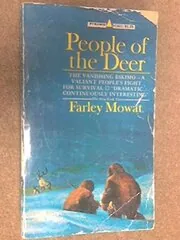
People of the Deer
by Farley Mowat
1950
People of the Deer recounts Mowat’s early years living among the Ihalmiut in the Barren Lands of northern Canada. What begins as a naturalist’s field trip becomes an angry chronicle of hunger, caribou declines and official indifference toward an inland Inuit people on the brink.
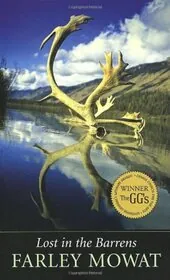
Lost in the Barrens
by Farley Mowat
1956
Lost in the Barrens is a northern survival novel about Jamie, an orphan from the south, and his Cree friend Awasin, who are stranded above the treeline after a hunting trip goes wrong. Together they build shelter, hunt caribou and learn to read the land.
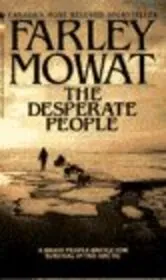
The Desperate People
by Farley Mowat
1957
The Desperate People continues the story begun in People of the Deer, tracing how disease, famine and forced relocations devastated the Ihalmiut between the 1940s and 1950s. Mowat blends personal witness with research to document a little-known human disaster in the Arctic interior.
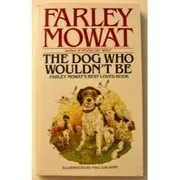
The Dog Who Wouldn't Be
by Farley Mowat
1957
The Dog Who Wouldn’t Be is Mowat’s affectionate memoir of his boyhood in the Canadian prairies and his eccentric dog, Mutt. From ladder-climbing and goggle-wearing car rides to improbable hunting feats, the stories capture a free-ranging childhood close to the natural world.
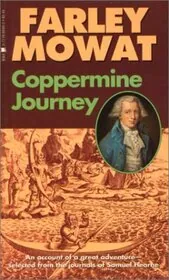
Coppermine Journey
by Farley Mowat
1958
Coppermine Journey is Mowat’s abridged, annotated edition of Samuel Hearne’s 18th century journals, recounting the first overland trek from Hudson Bay to the Arctic Ocean. Hearne’s narrative describes famine, long marches and complex relations with Dene and Inuit companions in the far North.
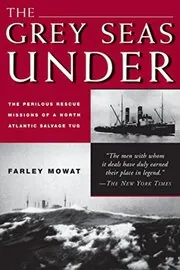
The Grey Seas Under
by Farley Mowat
1958
The Grey Seas Under tells the story of the salvage tug Foundation Franklin and her crews as they spend two decades towing stricken ships out of Atlantic storms. It is a portrait of hazardous work in freezing seas, driven by stubborn seamanship rather than heroics.
Ordeal by Ice: The Search for the Northwest Passage
by Farley Mowat
1960
Ordeal by Ice gathers journals and reports from the long search for a Northwest Passage through the Canadian Arctic islands. Mowat’s selections highlight frozen ships, desperate sled journeys and encounters with Inuit communities as explorers push repeatedly into the same lethal maze of ice.
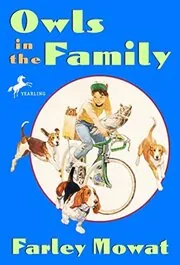
Owls in the Family
by Farley Mowat
1961
Owls in the Family follows a Saskatchewan boy whose household is upended when he adopts two great horned owls, Wol and Weeps. Between schoolroom chaos, backyard hijinks and small-town mishaps, the book celebrates inventive kids, odd pets and the prairie landscape.
The Black Joke
by Farley Mowat
1962
The Black Joke is an adventure story about a Newfoundland schooner and her crew in the 1930s, when rum-running flourished. When an unwelcome passenger and a risky cargo draw them into trouble, skipper Jonathan Spence and his sons must outwit rival smugglers and authorities.
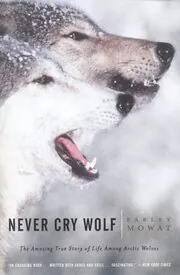
Never Cry Wolf
by Farley Mowat
1963
Never Cry Wolf describes Mowat’s assignment to study Arctic wolves and determine whether they were destroying caribou herds. Living alone on the tundra, he comes to see wolves as complex social animals that rely heavily on small prey, challenging deep-rooted myths about them.
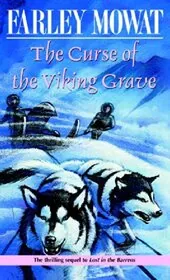
The Curse of the Viking Grave
by Farley Mowat
1966
A sequel to Lost in the Barrens, The Curse of the Viking Grave sends Jamie, Awasin and their Inuit friend Peetyuk back into the North on a rescue mission that turns into a hunt for a buried Norse ship, complete with storms, wolves and ancient legends.
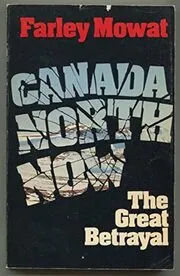
Canada North Now
by Farley Mowat
1967
Canada North Now examines the modern Canadian North at a moment of rapid change, charting pipelines, mines, military bases and new towns alongside older Indigenous communities. Mowat argues that short-sighted development and southern politics are betraying both the land and the people who live there.
The Polar Passion: The Quest for the North Pole
by Farley Mowat
1967
The Polar Passion collects first-hand accounts of expeditions that tried to reach the North Pole, from sled journeys to drifting ice camps. Mowat frames these voices to show both the obsession that drove explorers north and the human costs of chasing a point on the map.
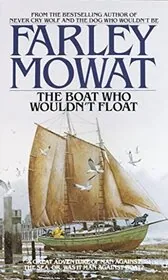
The Boat Who Wouldn't Float
by Farley Mowat
1969
The Boat Who Wouldn’t Float is a comic memoir of Mowat’s doomed love affair with an elderly wooden schooner named Happy Adventure. Chronic engine failures, leaks and eccentric shipmates turn a simple cruise around Newfoundland into one mishap after another on unforgiving waters.
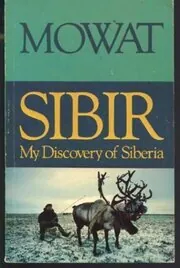
Sibir
by Farley Mowat
1970
In Sibir, Mowat and his wife travel thousands of miles across Siberia at the height of the Cold War, visiting mining towns, villages and wilderness. He finds a northern world both familiar and strange, and dwells on how people carve lives from an immense, harsh landscape.
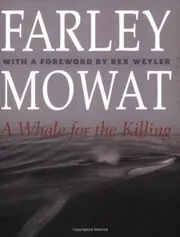
A Whale for the Killing
by Farley Mowat
1972
A Whale for the Killing recounts how a fin whale became trapped in a shallow Newfoundland lagoon and was slowly brutalized by local hunters. Mowat’s efforts to save the animal lead to a searing indictment of whaling and casual cruelty toward other species.
Tundra: Selections from the Great Accounts of Arctic Land Voyages
by Farley Mowat
1973
Tundra is an anthology of classic overland journeys in the Canadian Arctic, edited and introduced by Mowat. Excerpts from explorers such as Samuel Hearne, John Franklin and others show sledging across the Barrens, winter starvation and the constant dependence on Indigenous guides.
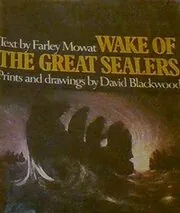
Wake of the Great Sealers
by Farley Mowat
1973
Wake of the Great Sealers pairs Mowat’s narrative with David Blackwood’s haunting prints to tell the story of Newfoundland sealing schooners and their crews. The book recalls daring voyages, shipwrecks and changing markets while asking what was lost when the old ice fleets disappeared.
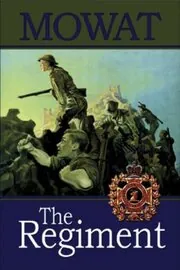
The Regiment
by Farley Mowat
1974
The Regiment is a narrative history of the Hastings and Prince Edward Regiment in the Second World War, written by one of its own officers. It traces the citizen soldiers from mobilization through Sicily, Italy and northwest Europe, focusing on daily life as much as strategy.
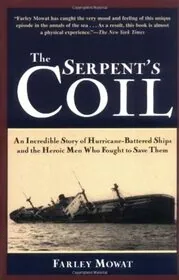
The Serpent's Coil
by Farley Mowat
1974
The Serpent’s Coil follows the salvage tug Foundation Josephine through ferocious North Atlantic storms as her crew battles to save disabled freighters. Mowat turns log entries and interviews into a tense sea narrative about courage, luck and the thin margin between rescue and disaster.
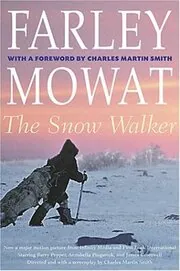
The Snow Walker
by Farley Mowat
1975
The Snow Walker gathers stories set in the Arctic, many drawn from Inuit oral tradition and Mowat’s own northern travels. Tales of hunters, shamans and wanderers reveal a world where survival, superstition and kinship are tightly bound to an unforgiving landscape.
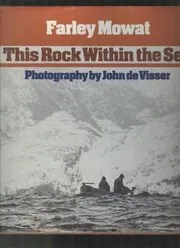
This Rock within the Sea
by Farley Mowat
1976
Combining Mowat’s text with John de Visser’s photographs, This Rock within the Sea portrays a small Newfoundland outport on the brink of government-forced resettlement. It captures kitchens, wharves and faces just before a distinctive coastal culture is scattered.
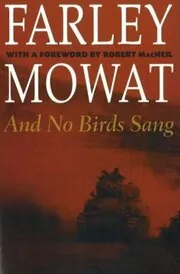
And No Birds Sang
by Farley Mowat
1979
And No Birds Sang is Mowat’s unsparing memoir of service with the Hastings and Prince Edward Regiment in Sicily and Italy. What begins as a young man’s search for glory becomes a record of exhaustion, terror and grief as friends are killed one by one.
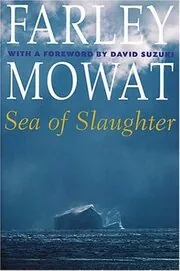
Sea of Slaughter
by Farley Mowat
1984
Sea of Slaughter reconstructs how centuries of hunting, fishing and harvesting emptied the northwest Atlantic of whales, seabirds, seals and fish. Drawing on logs, records and fieldwork, Mowat details species after species pushed toward extinction by greed and official blindness.
My Discovery of America
by Farley Mowat
1985
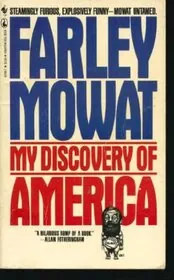
My Discovery of America is a brief, barbed account of Mowat’s attempt to tour the United States to promote Sea of Slaughter, only to be refused entry as a supposed security risk. He turns the episode into a darkly funny meditation on borders and fear.
Virunga
by Farley Mowat
1987
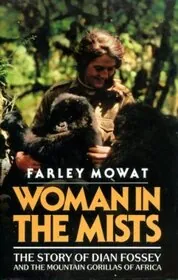
Virunga is Mowat’s biography of Dian Fossey and the mountain gorillas she studied in the forests of Central Africa. He traces her stubborn field work, clashes with poachers and officials, and the circumstances around her murder, set against the fragile world she tried to protect.
The New Founde Land
by Farley Mowat
1989
The New Founde Land combines history and memoir to tell the story of Newfoundland from early European landfalls to the collapse of the inshore fishery. Mowat weaves sagas, archival episodes and his own outport years into a sharp critique of modern development.
Rescue the Earth
by Farley Mowat
1990
In Rescue the Earth, Mowat sits down with campaigners, scientists and whistleblowers who fight for whales, forests, rivers and endangered species. Through candid conversations he explores what turned them into green crusaders and how ordinary people can resist environmental destruction.
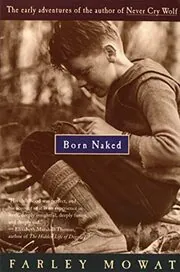
Born Naked
by Farley Mowat
1992
Born Naked is a lively memoir of Mowat’s wandering childhood in the 1920s and 30s, from shaky boats and beekeeping schemes to prairie winters and menageries of wild pets. It shows how early mishaps with “the Others” shaped his lifelong loyalty to animals.
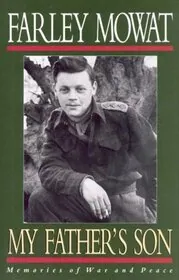
My Father's Son
by Farley Mowat
1993
Drawn from wartime letters between Farley and his father Angus, My Father’s Son is an intimate portrait of a young officer and the librarian-novelist cheering him on from home. Their correspondence tracks fear, dark humor, ambition and the making of a writer.
Aftermath
by Farley Mowat
1996
Aftermath follows Mowat and his first wife as they drive through postwar France and Italy in 1953, revisiting battlefields he once knew only under fire. The journey becomes a search for healing in landscapes still scarred by occupation, bombing and loss.
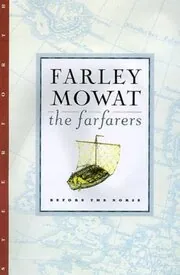
The Farfarers
by Farley Mowat
1998
In The Farfarers, Mowat proposes that a seafaring people he calls the Albans reached Iceland, Greenland and Newfoundland long before the Vikings. Mixing archaeology, saga lore and speculation, he imagines their walrus-hunting voyages and gradual disappearance into the North Atlantic world.
Walking on the Land
by Farley Mowat
2000
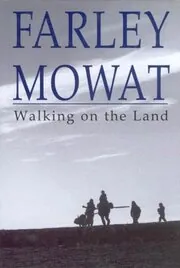
Walking on the Land returns to the story of the Ihalmiut people decades after Mowat first lived with them. Through oral histories, archival digging and a reunion with survivors, he traces how forced relocations and indifference nearly erased an entire inland Inuit culture.
High Latitudes
by Farley Mowat
2002
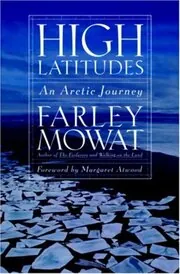
High Latitudes chronicles a 1960s inspection voyage around the eastern Arctic, as Mowat visits isolated settlements on the eve of massive change. He records bureaucratic blunders, stark landscapes and resilient northern communities while asking what kind of future is being forced upon them.
No Man's River
by Farley Mowat
2004
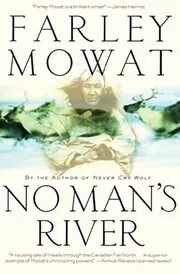
This Arctic memoir revisits a 1947 collecting trip that became a harrowing journey among Métis trappers and starving Inuit families in the Barrens. Mowat’s account dwells on friendship, caribou migrations, and the human cost of government neglect in the North.
Bay of Spirits
by Farley Mowat
2006
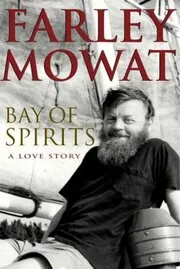
In Bay of Spirits, Mowat recalls sailing Newfoundland’s remote outports in the 1950s, falling in love with both the coast and artist Claire Wheeler. The book blends a rough-edged love story with an elegy for a traditional fishing culture being dismantled.
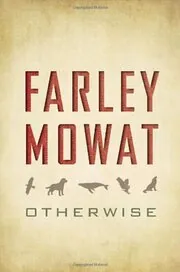
Otherwise
by Farley Mowat
2008
Otherwise is a coming of age memoir covering 1937 to 1948, from an unconventional prairie youth through brutal combat in Italy to his first Arctic expeditions. It traces how war trauma and encounters with the North pushed him toward writing and activism.
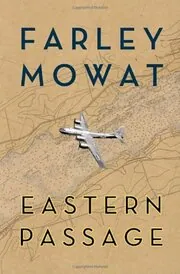
Eastern Passage
by Farley Mowat
2010
Picking up where Otherwise left off, this memoir follows Mowat through his first years as a published writer, his troubled first marriage, and his discovery of Newfoundland and the sea, as he begins turning private outrage into public environmental battles.
Where to start with Farley Mowat
If you want his classic animal and nature books: Never Cry Wolf → A Whale for the Killing → Sea of Slaughter
If you prefer Arctic Indigenous histories: People of the Deer → The Desperate People → Walking on the Land → No Man's River
For war and postwar memoirs: And No Birds Sang → My Father's Son → Aftermath → Otherwise → Eastern Passage
For seafaring and Newfoundland tales: The Boat Who Wouldn't Float → The Black Joke → Bay of Spirits → This Rock within the Sea
For young readers and coming-of-age stories: The Dog Who Wouldn't Be → Owls in the Family → Lost in the Barrens → The Curse of the Viking Grave
Farley Mowat sub-series and character series
The Top of the World books in order
Explore this series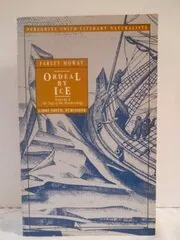
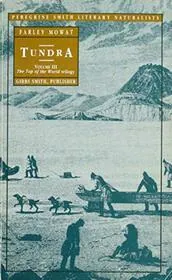
Tundra: Selections from the Great Accounts of Arctic Land Voyages
by Farley Mowat
1973The Top of the World, Book 3
The Top of the World books in chronological order
Tundra: Selections from the Great Accounts of Arctic Land Voyages
by Farley Mowat
1973The Top of the World, Book 3
Farley Mowat collections, short stories, and related book types
Non-Fiction Books
by Farley Mowat
1958An Account of Great Adventure Selected from the Journals of Samuel Hearne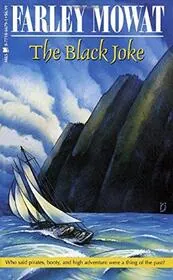
by Farley Mowat
1987The Passion of Dian Fossey / Woman in the Mists: The Story of Dian Fossey and the Mountain Gorillas of Africa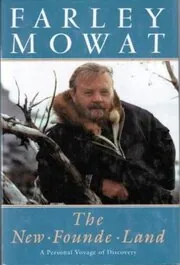
Standalone Farley Mowat books
Author bio
Farley Mowat was born in 1921 in Belleville, Ontario, and grew up moving from place to place with his librarian father and resilient mother. Belleville, Trenton, Windsor, Saskatoon and Richmond Hill all left their stamp on him. As a boy he haunted creeks and empty lots, kept a shifting zoo of “Others” and by his teens was writing bird columns and a homemade nature newsletter.
He studied biology at the University of Toronto but was more interested in fieldwork than lecture halls. Before the war he had already joined northern expeditions, travelling by canoe, snowshoe and small plane, and starting to grasp both the toughness and the vulnerability of life in the Canadian North.
Then war intervened. Mowat joined the Canadian Army in 1940 and was commissioned into the Hastings and Prince Edward Regiment. He led an infantry platoon ashore in Sicily, fought through the Italian campaign, and later served as an intelligence officer in northwest Europe, experiences he would revisit in The Regiment and And No Birds Sang.
The fighting left him angry and exhausted, and his writing about battle stress and grief still feels raw. Near the end of the war he helped arrange food drops to starving Dutch civilians and began collecting captured equipment for a museum, early signs of the meticulous researcher behind his later books.
After discharge he turned his back on city life and headed north again. Work with wildlife biologists took him into the Barren Lands, where he lived among inland Inuit communities that depended on the great caribou herds. Outrage at their hunger and forced relocations fuelled his first book, People of the Deer, and its later companion The Desperate People.
From there he rarely stayed with one subject. Never Cry Wolf challenged stories that painted wolves as mindless killers. A Whale for the Killing grew out of his attempt to save a trapped fin whale near his Newfoundland home, while Sea of Slaughter documented centuries of over-harvesting along the North Atlantic coast.
At the same time he wrote for younger readers, often raiding his own past. Lost in the Barrens and The Curse of the Viking Grave send teenage protagonists into northern adventures that respect both Cree and Inuit knowledge. The Dog Who Wouldn’t Be and Owls in the Family turn family pets into memorable companions. Books like The Grey Seas Under, The Serpent’s Coil and The Boat Who Wouldn’t Float show the same eye for character among sailors, salvors and small-boat tinkerers.
Later works such as Born Naked, My Father’s Son, Aftermath, Otherwise and Eastern Passage loop back over his own life, from prairie boyhood to postwar wandering and the long business of becoming a full-time writer. He was frank about shaping facts to serve what he saw as a larger truth, a habit that delighted some readers and infuriated some critics.
Throughout, he spoke up for environmental and social causes, supported Indigenous rights, and lent his name to campaigns against sealing, whaling and habitat loss. A conservation ship was christened in his honour. With his second wife, Claire, he split his later years between Port Hope, Ontario and a farm on Cape Breton Island, still pounding at an old typewriter. He died in 2014 at the age of ninety-two. His books, translated into many languages and read by millions, remain a first, vivid introduction to the Canadian North and to the idea that how we treat “the Others” says everything about us.








Edited by
Software engineer whose passion for tracking book recommendations from podcasts inspired the creation of MRB.
Lead investor at 3one4 Capital whose startup expertise and love for books helped shape MRB and its growth.
Comments
Did we miss something? Have feedback?
Help us improve this page by sharing your thoughts