
The Top of the World Books in Order
Part ofFarley Mowat Books in OrderExplore The Top of the World series by Farley Mowat with its three Arctic exploration volumes listed in order, plus background, summaries and tips on how to approach this polar history collection.
Last updated:
As an Amazon Associate, we earn from qualifying purchases (at no extra cost to you).
The Top of the World books in publication order
3 books
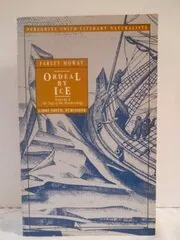
Ordeal by Ice: The Search for the Northwest Passage
by Farley Mowat
1960
Ordeal by Ice gathers journals and reports from the long search for a Northwest Passage through the Canadian Arctic islands. Mowat’s selections highlight frozen ships, desperate sled journeys and encounters with Inuit communities as explorers push repeatedly into the same lethal maze of ice.
The Polar Passion: The Quest for the North Pole
by Farley Mowat
1967
The Polar Passion collects first-hand accounts of expeditions that tried to reach the North Pole, from sled journeys to drifting ice camps. Mowat frames these voices to show both the obsession that drove explorers north and the human costs of chasing a point on the map.
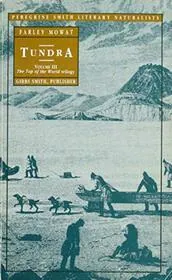
Tundra: Selections from the Great Accounts of Arctic Land Voyages
by Farley Mowat
1973
Tundra is an anthology of classic overland journeys in the Canadian Arctic, edited and introduced by Mowat. Excerpts from explorers such as Samuel Hearne, John Franklin and others show sledging across the Barrens, winter starvation and the constant dependence on Indigenous guides.
The Top of the World books in chronological order
Tundra: Selections from the Great Accounts of Arctic Land Voyages
by Farley Mowat
1973The Top of the World, Book 3
Series background & context
The Top of the World trilogy gathers three substantial anthologies about Arctic exploration that Mowat edited from original journals and reports. Instead of writing a single sweeping history, he lets the explorers speak in their own voices and slips his commentary in around the edges.
The first volume, Ordeal by Ice, follows the long search for a navigable Northwest Passage through the maze of islands north of mainland Canada. Sailors in wooden ships push into pack ice, become trapped for winters at a time, drag boats over pressure ridges and gamble on uncharted leads of open water. Mowat chooses episodes that show both routine shipboard life and the desperate sled journeys that began when the ice refused to release its grip.
In The Polar Passion the focus shifts from sea lanes to a single, glittering goal, the North Pole. Here the cast ranges from British and American naval officers to Norwegian ski pioneers and later aviators. Through diary entries and official reports readers see rival expeditions inch northward by ship, dog team and drifting ice floe, while frostbite, hunger and shifting ice undo carefully laid plans. Mowat frames these ventures with brief introductions that chip away at patriotic myths without denying the courage involved.
Tundra turns from the sea to the interior. This volume collects land journeys across the Barrens and along great northern rivers, drawing on writers such as Samuel Hearne, John Franklin and later surveyors. The explorers haul sleds over wind-scoured rock, slog through summer muskeg, and depend completely on Dene and Inuit guides who know where caribou, fish and shelter can be found. Again, Mowat highlights not just spectacular hardships but also long periods of monotony, small acts of generosity and the quiet competence of Indigenous companions.
Taken together, the three books trace how European knowledge of the Arctic grew, and how often that knowledge came at a terrible price. Shipwrecks, scurvy, starvation and mutiny all appear, yet there are also moments of humour and wonder as crews watch auroras, meet new trading partners or realise that a rumoured coastline does not exist. Mowat has little patience for arrogance and makes a point of showing how often disaster followed when expedition leaders ignored local advice.
Readers coming from Mowat’s own travel books will recognise his preoccupations here: the clash between imperial ambition and the realities of the land, deep respect for northern peoples, and fascination with the smallest practical details of how to stay alive in extreme cold. The trilogy can be read straight through as a long story of trial and error at the top of the globe, or dipped into one voyage at a time. Either way, The Top of the World series offers a rich, sometimes sobering introduction to the classic narratives behind modern maps of the Arctic.















Edited by
Software engineer whose passion for tracking book recommendations from podcasts inspired the creation of MRB.
Lead investor at 3one4 Capital whose startup expertise and love for books helped shape MRB and its growth.
Comments
Did we miss something? Have feedback?
Help us improve this page by sharing your thoughts